
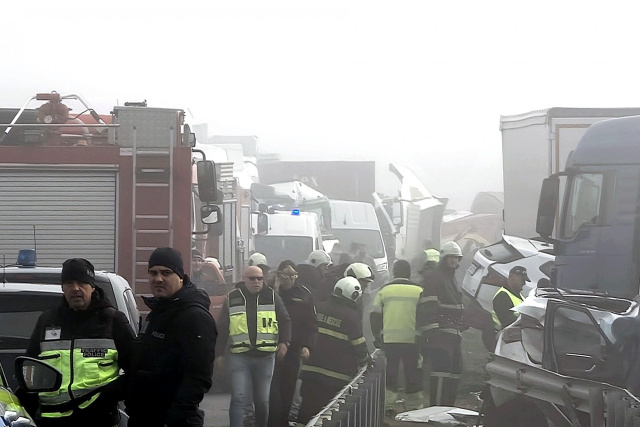
This tragedy is not an isolated anomaly but a stark manifestation of a persistent statistical reality: Bulgaria has the highest road mortality rate in the European Union. According to data from the State Agency “Road Safety,” the country recorded 6,655 serious road accidents and 456 fatalities in 2025. This translates to 71 deaths per one million inhabitants, significantly exceeding the EU average of 43. For citizens, this statistic is often described in the public discourse as a “war on the Bulgarian roads,” a phrase that underscores the frequency with which families are affected by preventable crashes.
The immediate cause of the Yambol collisions was identified as dense fog, a natural environmental factor that drastically reduces visibility. However, the broader context of Bulgarian road safety involves a complex interplay of infrastructure failures, driver behavior, and enforcement gaps. While the current incident was driven by weather, it follows a disturbing pattern of infrastructure-related failures earlier in the summer. In late August, a truck on the Maritsa highway lost a tire and crossed two separate dividing guardrails at kilometer 85, entering the oncoming lane. In that instance, no one died only because the oncoming lane was empty at the moment of impact. Over the preceding ten weeks, a sequence of similar incidents where vehicles passed through central barriers resulted in a cumulative death toll of at least eight.
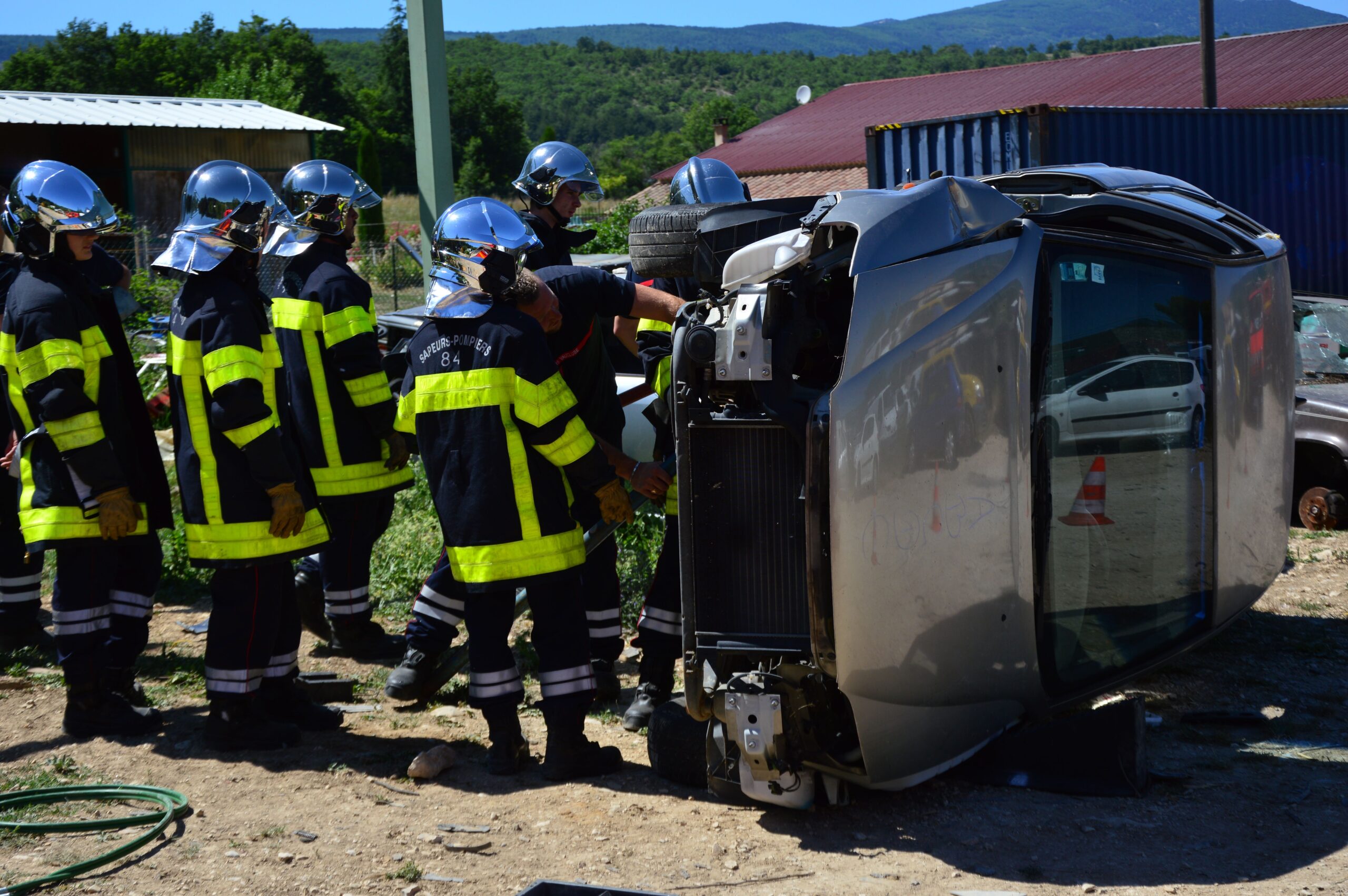
One of the most high-profile barrier failures occurred on June 24 at the 290th kilometer of the Trakia highway. A truck traveling at roughly 90 kilometers per hour crossed the median and struck a car carrying five people. Two nine-year-old boys from the F.C. Slavia football academy, who were traveling to a tournament in Albena, and their father were killed. The boys’ coach, Ivan Terziyski, and his wife survived with severe injuries. The Slavia president, Ventseslav Stefanov, described footage showing the truck crossing the barriers “as though they were waffles.” Supervising prosecutor Zhivko Iliev ruled out driver fatigue or tire failure as causes in that specific case, noting instead that the driver had a history of twenty penalties and sixteen paid fines. Similar incidents occurred on the Struma highway near Malo Buchino, where a tanker tore through central guardrails, and in the Montana region, where a truck breached a roadside barrier.
These infrastructure failures occur against a backdrop of reckless driving that has drawn sharp political attention. In early June, a crash in Sofia involving two passenger cars and a city bus killed four people, including two Indian nationals. The drivers of the cars, who held Czech-issued licenses, were traveling at speeds between 104 and 150 km/h, likely racing. Although alcohol and drug tests returned negative, the drivers had previous records of speeding and driving without a license. Prime Minister Rumen Radev convened a meeting with road safety institutions, declaring a need for “drastic measures” against illegal street racing and aggressive driving. He cited complex causes for the high mortality rates, including road conditions, driver training, and a lack of discipline.

The response to the Yambol pile-up highlights the scale of the emergency infrastructure required to manage such events. Eleven injured people were admitted to the Yambol hospital in serious condition, with seven suffering multiple traumatic injuries and three with limb fractures. Due to the lack of a neurosurgery department in Yambol, patients requiring that specialized care had to be transferred elsewhere. The incident utilized the “BG-ALERT” emergency warning system to inform drivers of alternative routes, a measure intended to mitigate secondary accidents in the aftermath of major crashes.
While the dense fog provided the immediate trigger for the Yambol disaster, the underlying structural issues remain unresolved. The ability of vehicles to breach median barriers designed to prevent exactly such cross-traffic collisions raises critical questions about the engineering and maintenance standards of Bulgaria’s motorways. As the investigation into the Yambol crash continues, the focus remains on how environmental factors like fog interact with human error and infrastructure limitations. Until the median barriers are proven effective and enforcement against high-speed violations is consistently applied, the statistical disparity between Bulgaria and the broader EU is likely to persist, keeping the “war on the roads” an ongoing reality for the nation.




2 Comments