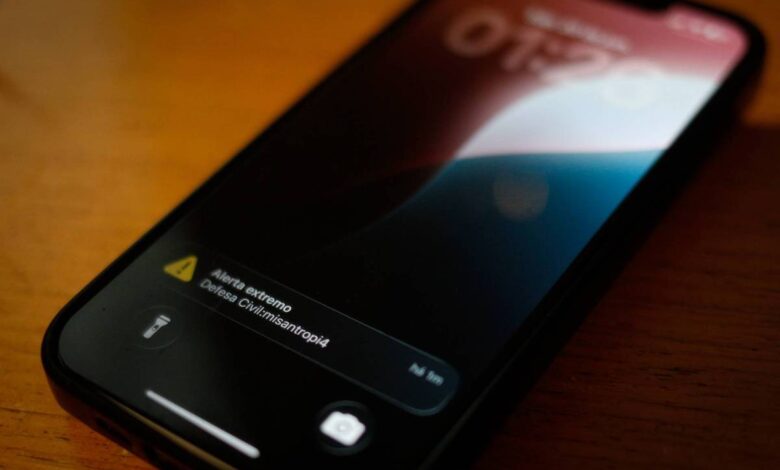
The term misanthropy refers to an aversion, distrust, or contempt toward the human species, standing in direct contrast to philanthropy. The inclusion of this word in a high-priority emergency channel, which is typically reserved for life-threatening meteorological or geological events, raised immediate questions about the integrity of the national alerting infrastructure. In the capital of Minas Gerais, Belo Horizonte, the alerts took on an even more unusual character, with some messages additionally referencing “alien attacks.”
National Civil Defense Secretary Wolnei Wolff initially characterized the incident as a hacker attack. However, a federal government report submitted to investigators on Sunday provided a more specific technical explanation. The report indicated that the alerts were not generated by an external intrusion into the core system, but rather sent using the valid login credentials of two Civil Defense agents based in the state of Pará. These agents were authorized to issue alerts only within the state of Pará. The fact that their accounts were successfully used to broadcast warnings to a large portion of the country “worsens the incident,” according to the federal government, as it suggests a failure in internal access controls or credential security protocols rather than a simple external breach.
The two agents’ accounts were blocked immediately following the detection of the anomaly. The incident serves as a stark reminder of the critical role that digital infrastructure plays in modern disaster risk management. Emergency alert systems are designed to provide rapid, actionable information to the public during crises, enabling timely evacuations and protective behaviors. When such systems are compromised, the consequences extend beyond mere confusion; they erode public trust in official communications and can lead to dangerous complacency or panic if the source of the alert is unclear.
This cyber incident occurred against a backdrop of legitimate meteorological concerns in the region. Separately, the State Civil Defense Agency issued a genuine storm warning for São Paulo for a previous weekend (Friday, June 11, and Saturday, June 12), forecasting heavy rain, thunderstorms, hail, and wind gusts of up to 100 km/h. That alert specifically highlighted risks in the interior regions, including Presidente Prudente, Marília, Itapeva, Registro, and Sorocaba, where isolated tornadoes were also a possibility. The juxtaposition of these events underscores the complexity of the current risk landscape: while physical climate hazards such as severe storms and flooding continue to affect communities, the digital channels used to manage these risks are themselves vulnerable to manipulation.
The distinction between the two events is crucial for understanding the scope of the threat. The June 11–12 storm warning was a standard, evidence-based meteorological alert based on forecasts of heavy precipitation and wind speeds. In contrast, the June 19–20 “misanthropy” alerts were a cybersecurity failure involving unauthorized use of authenticated accounts. No scientific evidence links the two events; the former was a natural weather pattern, while the latter was a human-induced technical error or breach. The immediate impact of the fake alerts was psychological and informational, causing alarm and confusion among millions of residents, whereas the storm alert required physical preparedness measures such as avoiding travel, checking road conditions, and staying clear of trees and utility poles.

For the affected communities, the incident highlights the need for robust multi-factor authentication and strict role-based access controls in emergency management systems. The federal government’s investigation into how two agents from a single state could trigger nationwide alerts points to potential gaps in the system’s architecture or monitoring capabilities. As Brazil continues to face the challenges of a changing climate, with increased frequency and intensity of extreme weather events, the reliability of its communication systems becomes a matter of public safety. The ability to distinguish between a genuine emergency and a false alarm is essential for effective resilience.
The unresolved question remains how the credentials were compromised and whether other parts of the national alert system were similarly vulnerable. The federal government has not yet released the full technical details of the investigation, but the blocking of the two accounts marks the immediate containment of the threat. As the nation recovers from the confusion of the fake alerts, authorities are expected to review security protocols to prevent similar incidents in the future, ensuring that when the next genuine “extreme alert” is issued, it is trusted and acted upon without delay.