US officials have identified the cause as a routine maintenance upgrade that malfunctioned. L3Harris, a prime contractor for the FAA, was replacing discontinued copper wire with new fiber optic lines in a remote location. According to Transportation Secretary Sean Duffy, the new equipment overwhelmed the aging system, causing two routers to flood the network with 1,000 connection attempts every four to five seconds. This overload created “intermittent” communications and radar gaps across 17 of the FAA’s 22 en route centers, compromising the safety of aircraft at cruising altitude.
Initially, the sudden outage triggered speculation of a cyberattack, leading to an emergency meeting in the White House Situation Room. However, the Department of Transportation and the FAA have since ruled out malicious activity. FAA Administrator Bryan Bedford stated there was “zero evidence of anything nefarious and zero evidence of anything AI-related.” The issue was isolated to the specific routers updated in Arkansas and Texas, which were brought back online once the faulty work was isolated.

The incident highlights the fragility of the US air traffic control system, which relies on technology dating back to the 1970s and 1980s, including paper flight strips and floppy disks. Secretary Duffy described the challenge of maintaining a system that uses “1990s software” and “1970s radar” for which parts are no longer manufactured. He has called for $50 billion in funding for upgrades, an increase from his previous request of $30 billion, following Congress’s approval of $12.5 billion last year. The Professional Aviation Safety Specialists (PASS) union noted that PASS-represented technicians were not involved in the specific upgrades that caused the outage.
L3Harris, which derives three-quarters of its revenue from US government contracts, said it has been working in close coordination with the FAA and that safety remains its highest priority. Duffy criticized the contractor, stating that L3Harris “didn’t meet the moment” and that he would hold people accountable, though he has not yet determined if the fault was due to installer error or a defective unit. The FAA conducted a safety assessment before the work began, but the modernization effort illustrates the difficulty of updating a complex, decades-old network without causing disruption.
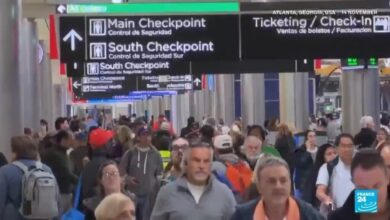
While the ground stop was lifted on Friday evening, the aftermath persisted into the weekend due to staffing shortages and aircraft positioning issues. Similar disruptions have occurred in the past, including a ground stop in January 2023 and communication issues at Newark Liberty Airport in May 2025. The FAA is currently working to restore full normalcy, with the immediate focus on clearing backlogs and ensuring the reliability of the updated communication lines.