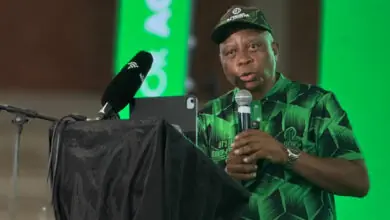
The central development stems from a disagreement over the country’s budget plans, specifically a tax package that triggered a sharp divide between the centrist D66, the centre-right CDA, and the right-wing VVD. The crisis erupted when lawmakers from Jetten’s D66 party and the CDA agreed to amendments proposed by two center-left opposition parties, PRO and Volt. This alliance allowed the tax package to pass the Dutch parliament in a tight vote on Thursday night, following a daylong debate. However, the terms of this parliamentary deal enraged the VVD, which had voted against the government’s own proposal.
The contentious legislation aims to apply a higher tax rate of 38.5% on investment returns above €60,000, such as interest earned on savings. Individuals making less than €60,000 in profit from assets are exempt from this higher rate. Jesse Klaver, leader of the left-wing PRO party, repeatedly characterized part of the agreement as a “millionaire’s tax,” a framing that aligned with the opposition’s push to secure the vote. In response, Dilan Yeşilgöz-Zegerius, the leader of the VVD, stated she had been “blindsided” by the final terms of the deal. Her party’s decision to vote against the government’s plan highlighted the depth of the internal coalition rupture.

Following the parliamentary vote, Jetten convened crisis talks with his coalition partners on Friday. Despite the lengthy negotiation, the parties failed to reach a consensus during that session. Consequently, Jetten extended the talks over the weekend to stave off an immediate government collapse. While the Prime Minister indicated that the coalition would stay together, he acknowledged the severity of the situation, stating that a “serious fresh start” was required. “In recent days, many good things have happened, but also things that have not gone well… we have to do better,” Jetten said. He emphasized that the conversation was not yet complete and that he would spend the coming days continuing these talks with the three coalition parties in a “calm and measured manner.”
The political stakes are high, as this latest spat raises the prospect of snap elections just nine months after Jetten’s government took office. Jetten, the Netherlands’ youngest premier, had taken office with a pledge to seek a new era of consensus among parties in the Dutch parliament. However, the current crisis illustrates his struggle to rein in political infighting not only within the legislature but also within his own coalition. The events of this week have further eroded public trust in the nation’s lawmakers, a trend visible in a splintered political landscape that has seen four general elections in the past decade.
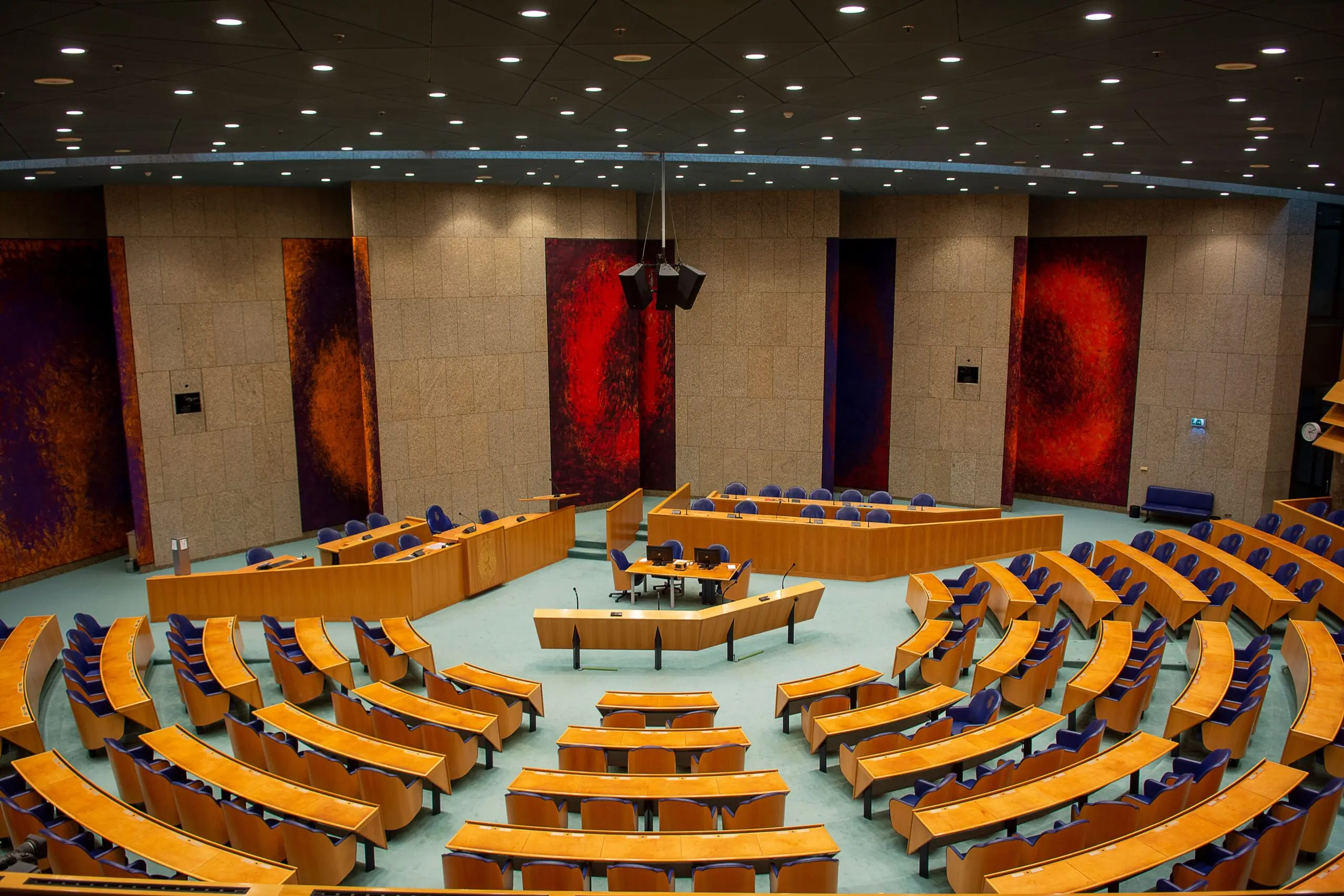
The implications of a potential collapse extend beyond the cabinet room, directly affecting the timeline for future governance. Polls indicate that in the event of a snap election, the left-wing PRO party, led by Jesse Klaver, would win, with far-right leader Geert Wilders in second place. This polling data adds pressure on the current coalition to resolve its internal disputes, as a dissolution of the government would likely shift the political balance significantly to the left and the far-right, respectively. Yeşilgöz-Zegerius, reflecting on the VVD’s position, told reporters that she believed “the minority cabinet is a failed experiment and it cannot go on like this.” She called for a “fundamental reset” of the coalition, a stance that contrasts with Jetten’s more measured approach of continuing negotiations to save the current administration.
The situation underscores the difficulty of governing in a minority cabinet where external support is required to pass legislation. By leaning on opposition parties to secure the tax package, the D66 and CDA inadvertently triggered a crisis with their VVD partner, demonstrating the precarious nature of the current political arrangement. As Jetten continues his weekend talks, the outcome will determine whether the Dutch government can navigate this rift or if the country is forced back to the polls. The next few days will be crucial in assessing whether the coalition can achieve the “in-depth talks” Jetten described or if the structural flaws in the cabinet composition prove insurmountable.