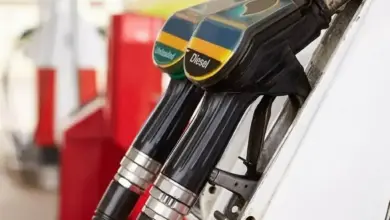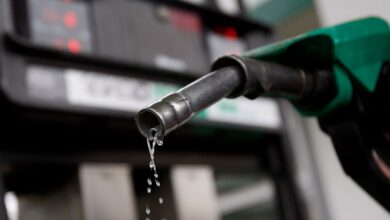
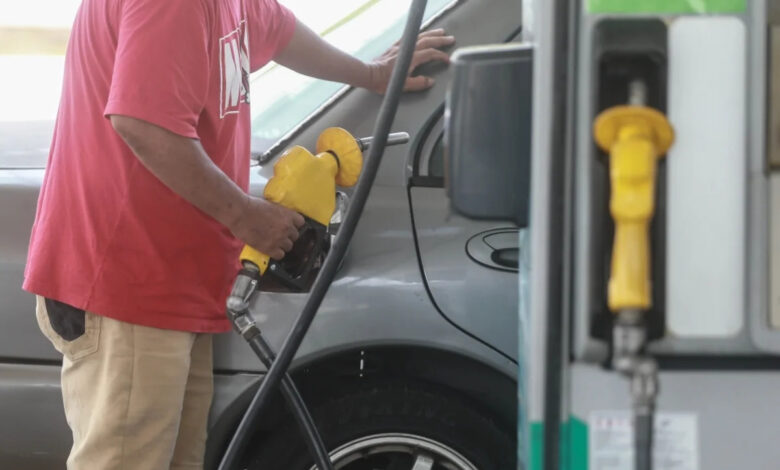
Muhamad Hanif Asa’ari, the director of the Selangor Domestic Trade and Cost of Living Ministry (KPDN), confirmed that the ministry received 10 official complaints involving the seven premises. In response to these reports, enforcement officers conducted inspections on October 16 and seized 27 samples of RON95 petrol for laboratory analysis by the Chemistry Department. The primary objective of the probe is to determine whether the fuel supplied met the required quality standards and to verify the claims of water contamination.
The reported symptoms of engine damage are consistent with the intake of water into the fuel system. Complainants cited issues such as abnormal engine noises, jerking, a loss of power, engines failing to start, and in severe cases, burnt engine valves. Hanif noted that some vehicle service centers have already confirmed that water contamination in the fuel tanks was the direct cause of the damage in several of the affected vehicles. This distinction is critical, as water is immiscible with petrol and can lead to immediate hydrolock or corrosion, rendering the engine inoperable.
While the physical damage to vehicles is a consumer safety issue, the regulatory focus also extends to commercial law. The ministry is investigating potential offences under the Trade Descriptions Act 2011. Specifically, authorities are examining possible breaches of Section 5(1)(c), read together with Sections 6(1)(d) and 7, which address false trade descriptions regarding the content and composition of goods supplied. Notices have been issued to the station operators requiring them to submit business-related information and documents to assist in this legal inquiry.
Preliminary checks indicated that all seven stations under investigation held valid Controlled Schedule Article (CSA) licenses and licenses issued under the Petroleum Development Act 1974. However, the possession of valid licenses does not exempt operators from liability if the product quality is compromised. Hanif urged oil companies and petrol station operators to maintain their underground storage tanks regularly, emphasizing that strict adherence to fuel quality and safety standards is mandatory. He warned that strict legal action would be taken against any party found to have compromised consumer safety or interests.
The incident in Selangor mirrors a broader trend of similar allegations in northern states earlier this month. In Penang, the ministry reported receiving 33 complaints involving approximately 30 petrol stations. Inspections at a station in Batu Kawan found no evidence of water contamination. Similarly, in Kedah, samples were collected from 11 stations after motorists reported breakdowns, while inspections in Perak at six stations in Ipoh, Taiping, and Kuala Kangsar found no initial signs of water in the storage tanks. In all northern cases, authorities noted that laboratory results were pending to substantiate the allegations.
As the laboratory analysis of the 27 samples from Selangor proceeds, the outcome will determine whether the complaints are substantiated as a systemic quality failure or isolated incidents of tank maintenance. Motorists who suspect their vehicles are affected by contaminated fuel are advised to retain their petrol receipts and workshop inspection reports as evidence for the ongoing investigation. The results of this probe may influence broader regulatory enforcement actions regarding tank maintenance and fuel quality monitoring across the country.