
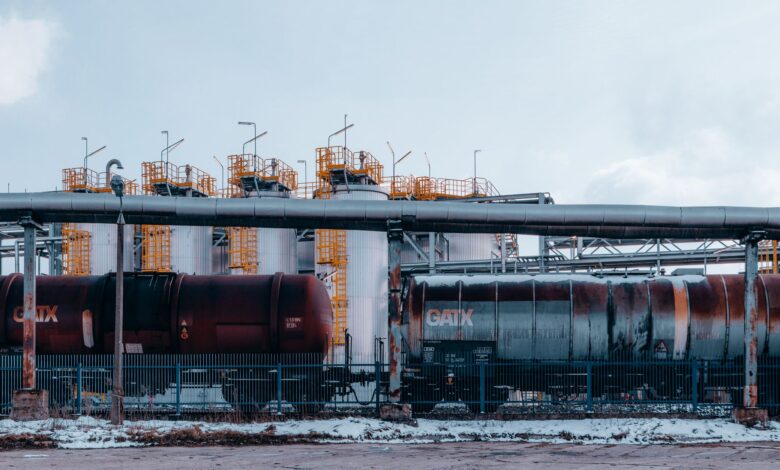
The rise to this level is not merely a statistical anomaly but an indicator of tightening supply conditions. By breaching the €90 mark, the market is reflecting the underlying tension between dwindling storage levels and the impending surge in demand characteristic of the Northern Hemisphere winter. This development raises the threat of a renewed energy crunch, a term that has been central to European energy policy discussions since the supply disruptions of 2022. The timing is critical; as temperatures drop, the need for heating escalates, placing immediate pressure on the infrastructure that delivers gas to homes and factories across the continent.
Understanding the significance of this price movement requires looking at the mechanics of the European energy market. Natural gas in Europe is traded on futures markets, where prices reflect expectations of future supply and demand. When the spot price rises above €90, it indicates that participants in the market believe supply will be tight relative to demand in the short term. This is often driven by a combination of factors, including lower-than-expected storage fills, high demand from competitors for LNG (Liquefied Natural Gas) cargoes, or geopolitical uncertainties that affect pipeline flows. The fact that this threshold has been reached “for the first time since 2022” highlights how much the market has changed in the interim. In the years following the 2022 crisis, prices had moderated, providing a period of relief for industries and households that had been grappling with record-high costs. The return to these levels suggests that the buffer provided by those lower prices is eroding.
The immediate impact of such price increases is felt most acutely by energy-intensive industries. Sectors such as manufacturing, chemicals, and glass production rely heavily on natural gas for process heat. A sustained price above €90 increases their operational costs significantly, potentially reducing their competitiveness in global markets where energy costs may be lower. For these businesses, the cost of input energy is a direct determinant of their bottom line. If prices remain elevated, some industries may be forced to reduce output, shift production to other regions, or pass on higher costs to consumers. This dynamic creates a ripple effect through the broader economy, as reduced industrial activity can lead to job losses and lower output in dependent supply chains.
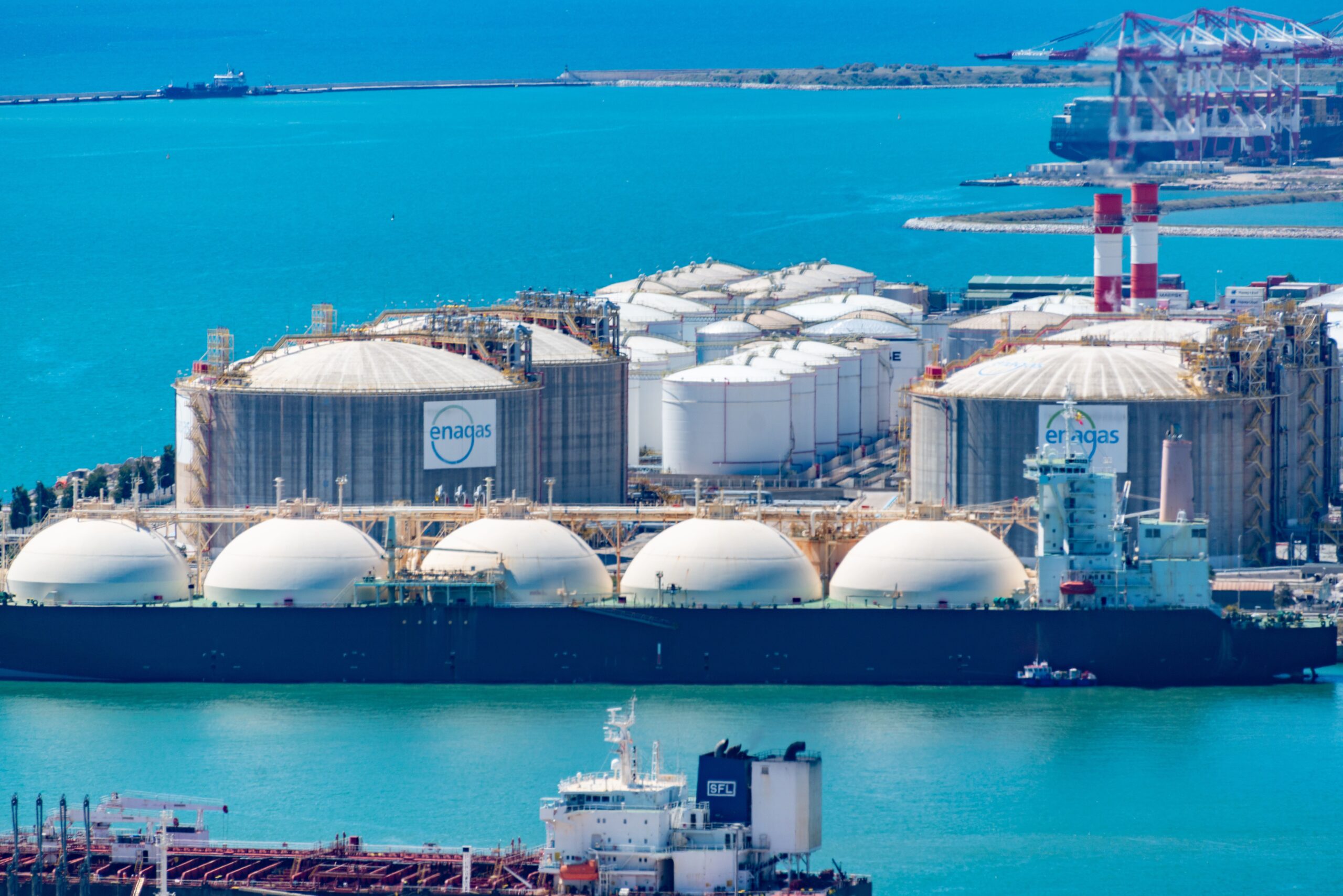
Household consumers are also at risk, although the transmission of wholesale prices to retail bills often involves a lag and varies by national regulatory frameworks. In many European countries, retail gas prices are linked to wholesale benchmarks, meaning that a sharp rise in the TTF price will eventually translate into higher bills for homeowners and renters. The concern is that this increase will coincide with the period of highest consumption, when heating bills naturally peak. For vulnerable households, particularly those in older, less energy-efficient buildings, the financial burden could become severe. Governments across Europe have implemented various support measures in recent years to shield consumers from price volatility, but the effectiveness of these measures depends on the duration and magnitude of the price spike. If the €90 level is temporary, the impact may be manageable. However, if prices remain high or continue to climb, the strain on public finances and household budgets could intensify.
From an infrastructure perspective, the European gas market has undergone significant changes since 2022. The continent has increased its reliance on LNG imports to diversify away from pipeline gas, particularly from Russia. While this diversification has improved security of supply in the long term, it also introduces new variables into the market. LNG cargoes are subject to global competition, and prices in Europe can be influenced by demand in Asia and the Americas. Additionally, the level of underground gas storage (UGS) is a critical factor. If storage levels are lower than the seasonal average, the market is less resilient to supply disruptions, and prices are more likely to spike. The current price action suggests that storage levels may be insufficient to buffer against the upcoming winter demand, or that there is a lack of confidence in future supply availability.
The policy implications of this development are substantial. European governments and regulatory bodies will likely scrutinize market conditions more closely to prevent speculative behavior or market manipulation. There may be increased pressure on energy suppliers to ensure adequate liquidity and stability in the market. Furthermore, the spike could influence policy discussions regarding energy efficiency and the transition to renewable energy. While the immediate focus is on managing the short-term crisis, the long-term goal of reducing dependence on fossil fuels remains a central pillar of European energy strategy. However, the current price environment complicates the transition, as high gas prices can make it harder to justify the high upfront costs of switching to electric heat pumps or other low-carbon technologies for some consumers.
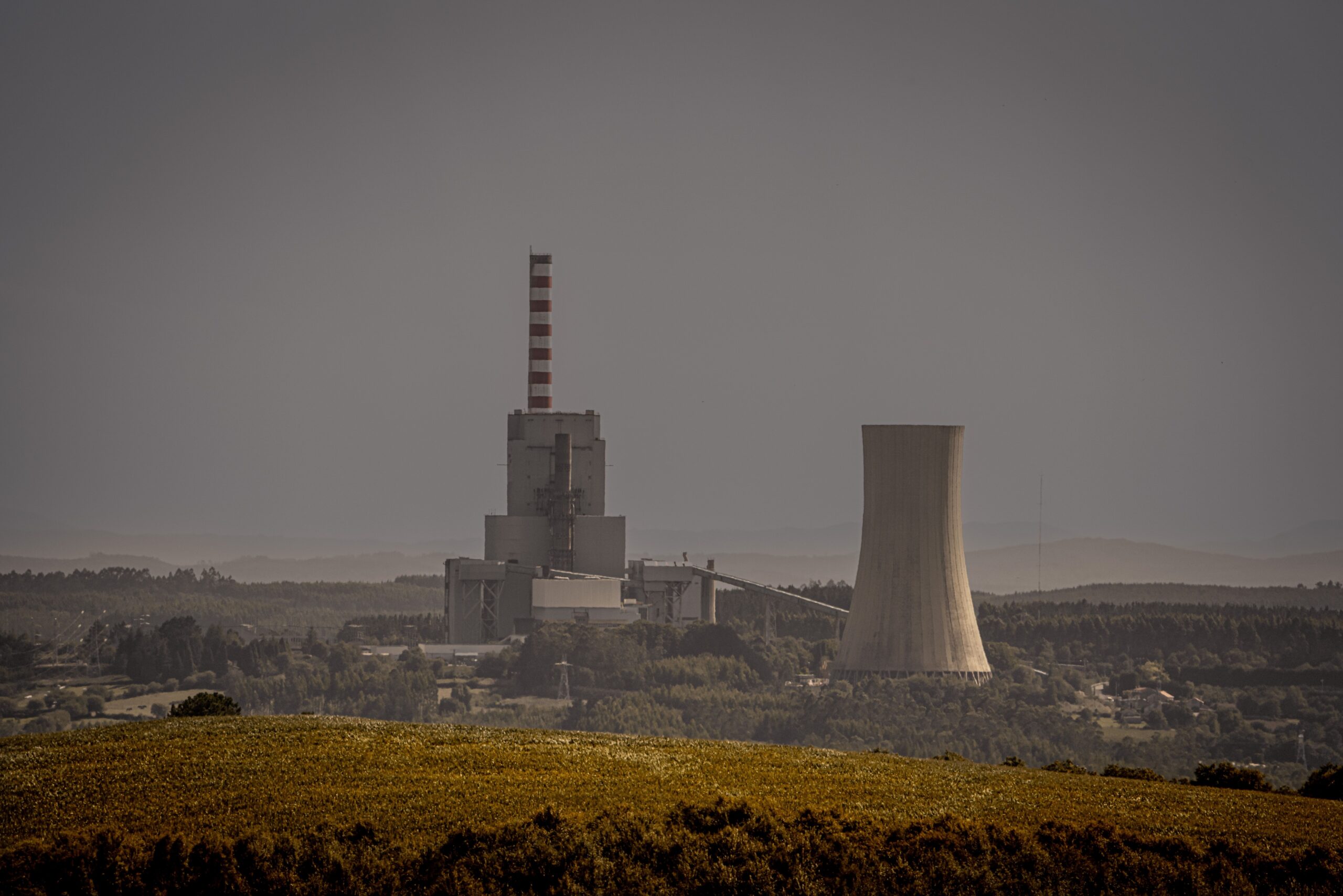
Reliability remains a key concern as the region heads into peak winter. Grid operators and gas transmission system operators (TSOs) must ensure that supply can meet demand without interruption. The European gas market is interconnected, with flows moving across borders to balance regional imbalances. However, extreme weather events or technical failures in transmission infrastructure can disrupt these flows, leading to local shortages. The fact that prices are rising before the peak of winter suggests that the market is pricing in a higher risk of such disruptions. This uncertainty can lead to hoarding behavior, where suppliers buy more gas than they immediately need, further tightening the market and driving prices up in a feedback loop.
What remains uncertain is the trajectory of prices over the coming weeks and months. Several factors will determine whether the €90 level is a temporary spike or the beginning of a sustained uptrend. These include weather forecasts, which will influence heating demand; the status of global LNG production and exports; and geopolitical developments that could affect pipeline flows. If winter weather is milder than expected, demand may be lower, potentially easing pressure on prices. Conversely, a harsh winter could lead to rapid drawdowns of storage, exacerbating the supply tightness. The response of major gas producers and exporters will also be a key variable. If they increase supply to capture higher prices, it could help stabilize the market. However, if they hold back supply to maximize profits, prices could remain elevated or rise further.
The return of European gas prices above €90 serves as a stark reminder of the continent’s continued vulnerability to energy market volatility. While the infrastructure and policy frameworks have been strengthened since the 2022 crisis, the fundamental physics of supply and demand still apply. As the winter heating season begins, the focus will shift to monitoring daily price movements, storage levels, and weather patterns. The ability of the European energy system to absorb this price shock without causing significant hardship for consumers or disruption to industry will be a critical test of its resilience. The next few weeks will provide clarity on whether this price spike is a manageable blip or a signal of a deeper structural issue in the energy market. For now, the market is warning that the era of cheap, abundant gas is over, and stakeholders must adapt to a landscape where energy security and affordability are in constant tension.