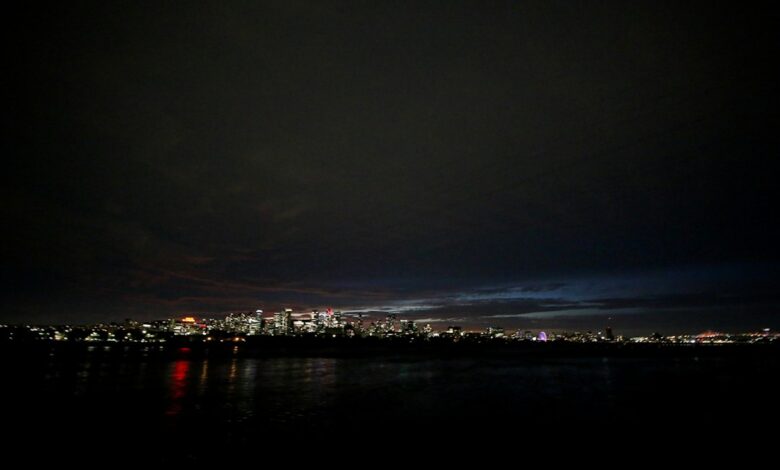
The most recent disruption began around 4:15 a.m. on Thursday, August 20, affecting communities across the Greater Accra, Eastern, Northern, Central, and Ashanti regions. In Accra, neighborhoods including Adabraka, Weija, Tesano, Achimota, Dzorwulu, Legon, Madina, Adenta, and Oyarifa reported total loss of power. The outage extended beyond the capital, with residents in Aburi, Tamale, and parts of the Central and Ashanti regions also reporting blackouts. The previous major failure occurred on July 29, 2026, affecting similar areas including Tema and Kasoa at a similar time of day.
Ghana Grid Company Limited (GRIDCo), the state-run transmission and distribution utility, confirmed that several power plants were forced to shut down during the Wednesday incident, which the sources describe as the primary trigger for the widespread outage. In a statement, GRIDCo noted that its engineers and system operators were working continuously to restore power “without compromising safety.” The utility has not disclosed the specific technical cause of the fault or provided a timeline for full restoration. A comprehensive technical investigation is currently underway to determine what triggered the disruption.
The immediate impact on the population has been severe. With mobile phone chargers dead, many commuters were unable to use digital payment methods for transport or call ride-hailing services such as Uber, effectively grounding them. Small businesses reliant on digital services faced operational halts, while essential services like hospitals, though largely protected by backup generators, still face logistical challenges during prolonged blackouts. The disruptions highlight a critical vulnerability in an economy where digital transactions have become the norm for both public transport and retail.
These recent failures are part of a long-standing pattern known locally as “dumsor,” a term from the Akan language meaning “on and off.” For years, Ghana has struggled with regular power shortages, primarily driven by the reliance on aging hydropower plants that have suffered from poor maintenance. To mitigate this, the government recently shifted toward gas-fired generation to meet rising demand from a growing and urbanizing population. While the addition of gas capacity has eased some pressure on the system, it has not resolved underlying structural issues.
Energy analysts point to the fragility of the transmission network as a key risk factor. Ghana’s grid is susceptible to transmission failures and fuel supply interruptions, meaning that even when generation capacity is available, the electricity may not reach the consumer. The recurrence of these outages in less than a month suggests that recent infrastructure upgrades may have addressed generation deficits but failed to harden the transmission and distribution layers of the grid against systemic faults.
The lack of transparency regarding the cause of the outages adds to consumer frustration. Neither GRIDCo nor the Electricity Company of Ghana (ECG) has released detailed technical reports explaining why multiple plants tripped simultaneously or why the grid failed to isolate the fault to a single region. Without this data, it is difficult to assess whether the issue stems from equipment failure, software errors, or external factors such as fuel supply glitches.
For Ghana, a major producer of gold and cocoa, energy reliability is not just a domestic concern but an economic imperative. Unstable power supply poses risks to industrial operations and export logistics, potentially affecting the country’s broader economic stability. The current situation forces a re-evaluation of the “build and buy” strategy, shifting focus toward the maintenance, redundancy, and resilience of the existing grid infrastructure.
As of this report, power remains out in many affected areas, with no official estimate for full restoration. The next critical step is the release of findings from GRIDCo’s technical investigation. Until the root causes are identified and addressed, the risk of further widespread blackouts remains high, leaving Ghanaian consumers and businesses in a state of uncertainty regarding power reliability.