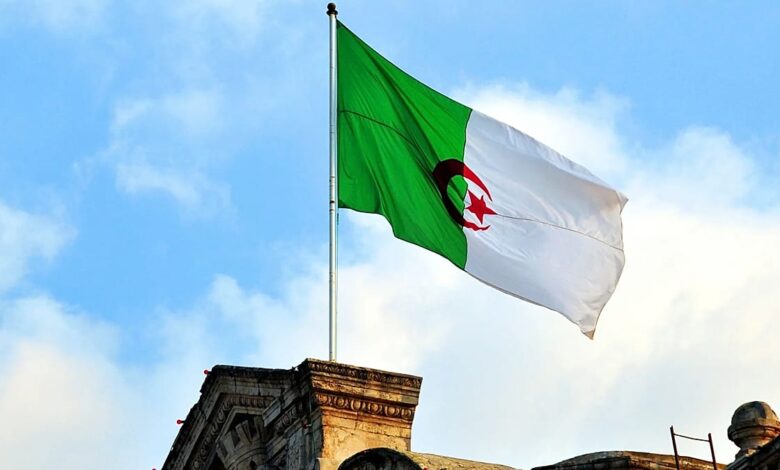
The decision was formalized following a closed extraordinary session of the upper house of parliament on Sunday. According to reports, 148 of the 174 lawmakers present voted in favor of the deployment. The lower house subsequently backed the measure by an “absolute majority,” though specific vote counts from that chamber were not disclosed. This authorization activates Article 91 of the Algerian constitution, which requires a two-thirds endorsement from both chambers for any overseas troop deployment. It is the first time this 2020 constitutional provision has been utilized for a military mission abroad.
Until now, the most recent precedent for Algerian troops operating outside the country dates back to 1973, when forces were sent to support Egypt during the Arab-Israeli war. Since then, Algiers has generally relied on diplomacy and dialogue, maintaining a wary distance from military intervention in regional crises. Algerian Senator Belkacem Boulghiti clarified the scope of the new operation to reporters, stating, “We are not sending our soldiers to wage war in Niger, but for a mission to secure economic infrastructure.” However, authorities have not yet announced the size of the force or the specific start date of the mission.
The primary driver of this shift is economic. Algeria’s state-owned energy giant, Sonatrach, has significant stakes in Niger, particularly through its international subsidiary SIPEX. The company manages projects in the Kafra oil field in northern Niger, located approximately 85 kilometers from the Algerian border. Drilling operations in the area began on August 13. Estimates reported by the Anadolu Agency suggest the oil resources in the region exceed 2.5 billion barrels, making it one of Sonatrach’s key investments outside Algeria. Reuters reported that two specific exploration wells are estimated to contain 168 million and 100 million barrels, respectively.
Protecting these assets is not an isolated concern. Niger forms a critical corridor for the Trans-Saharan gas pipeline, a project designed to stretch over 4,000 kilometers to carry Nigerian gas to Europe via Niger and Algeria. Work on the section of the pipeline crossing Algerian territory began in June. Additionally, Algeria inaugurated a 40-megawatt power plant to supply electricity to Niamey and surrounding areas. President Abdelmadjid Tebboune has linked these military moves directly to these economic interests, warning of actors seeking to undermine projects in the oil and mining sectors.
The deployment follows a period of heightened security cooperation between the two nations. In August, after a coup attempt was foiled in Niger, Algeria dispatched four Su-30 fighter jets and an in-flight refuelling aircraft to support the Nigerien authorities. Around the same time, Algiers gifted four military helicopters to Niamey. These gestures followed a visit by Niger’s Defence Minister, Salifou Modi, to Algeria last Wednesday, where he met with Tebboune and army chief Saïd Chengriha. During this visit, a military cooperation protocol was signed.
This military engagement represents a thaw in relations that had been strained for months. In 2025, diplomatic ties deteriorated after Algeria downed a drone from Mali near its border. Niger, in solidarity with its junta-led allies Mali and Burkina Faso, recalled its ambassador from Algiers. The current positioning in northern Niger, near the Libyan border, is intended to counter threats from armed groups, some of which are linked to al-Qaeda or the Islamic State. Tebboune had paved the way for this step on October 3, declaring in a televised address that Algeria was ready to defend Niger “whatever it takes,” accusing unnamed states of plotting against the country.
Observers note that while the stated goal is the protection of oil installations, the move reflects a broader evolution in Algeria’s approach to regional stability. After decades of non-intervention, Algiers is now directly securing its investment portfolio through military means. As the Trans-Saharan pipeline progresses and Sonatrach’s drilling activities in the Kafra region continue, the presence of Algerian troops in the north establishes a new baseline for how the country defends its economic interests. The next steps will likely involve monitoring the operational scope of the mission and the long-term stability of the security corridor that underpins the region’s energy future.