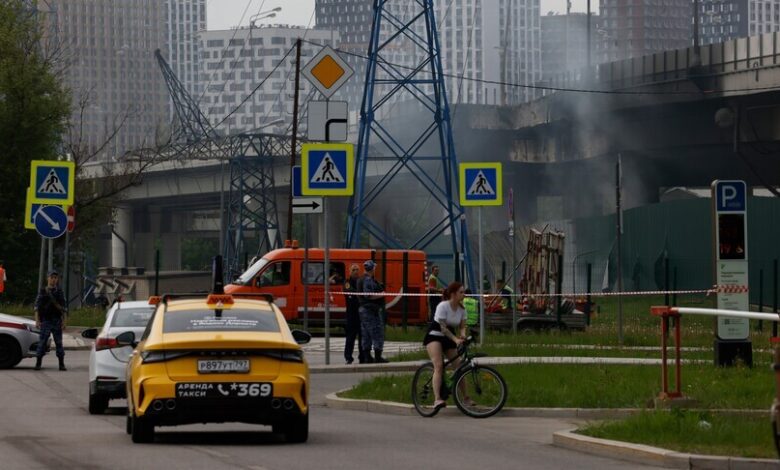
According to Governor Gusev’s statement on the Russian social media platform Max, the victims were two men, born in 1960 and 1973, respectively. He confirmed that among the 17 injured was a child, noting that most of the wounded were passengers on a train traveling through the region. Gusev urged residents not to share video or photographic evidence of air defense operations, specifically warning against posts containing geographic references, a directive reflecting heightened security concerns regarding the exposure of defensive vulnerabilities.
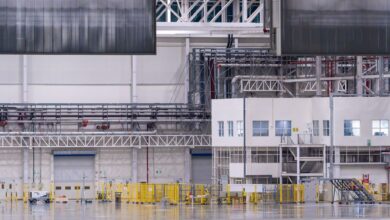
The strategic significance of the Voronezh strike lies in its potential impact on Russia’s military-industrial capacity. Independent Russian media outlet Astra, citing resident footage, identified one of the burning sites as Voronezhsintezkauchuk, a facility owned by Sibur, Russia’s largest petrochemical company. The plant produces over 385,000 metric tons of synthetic rubbers and thermoplastic elastomers annually. These materials are not merely industrial goods; they are critical components for military logistics, including tires for military aircraft and heavy wheeled vehicles, and solid rocket propellant components for Iskander ballistic missiles. Ukraine’s General Staff had previously claimed a strike on this same facility in September, identifying it as involved in the production of solid rocket propellant. If the current strike is confirmed, it would mark the third attack on a Russian synthetic rubber factory in as many days, following strikes on similar facilities in Tolyatti and Omsk over the preceding weekend.
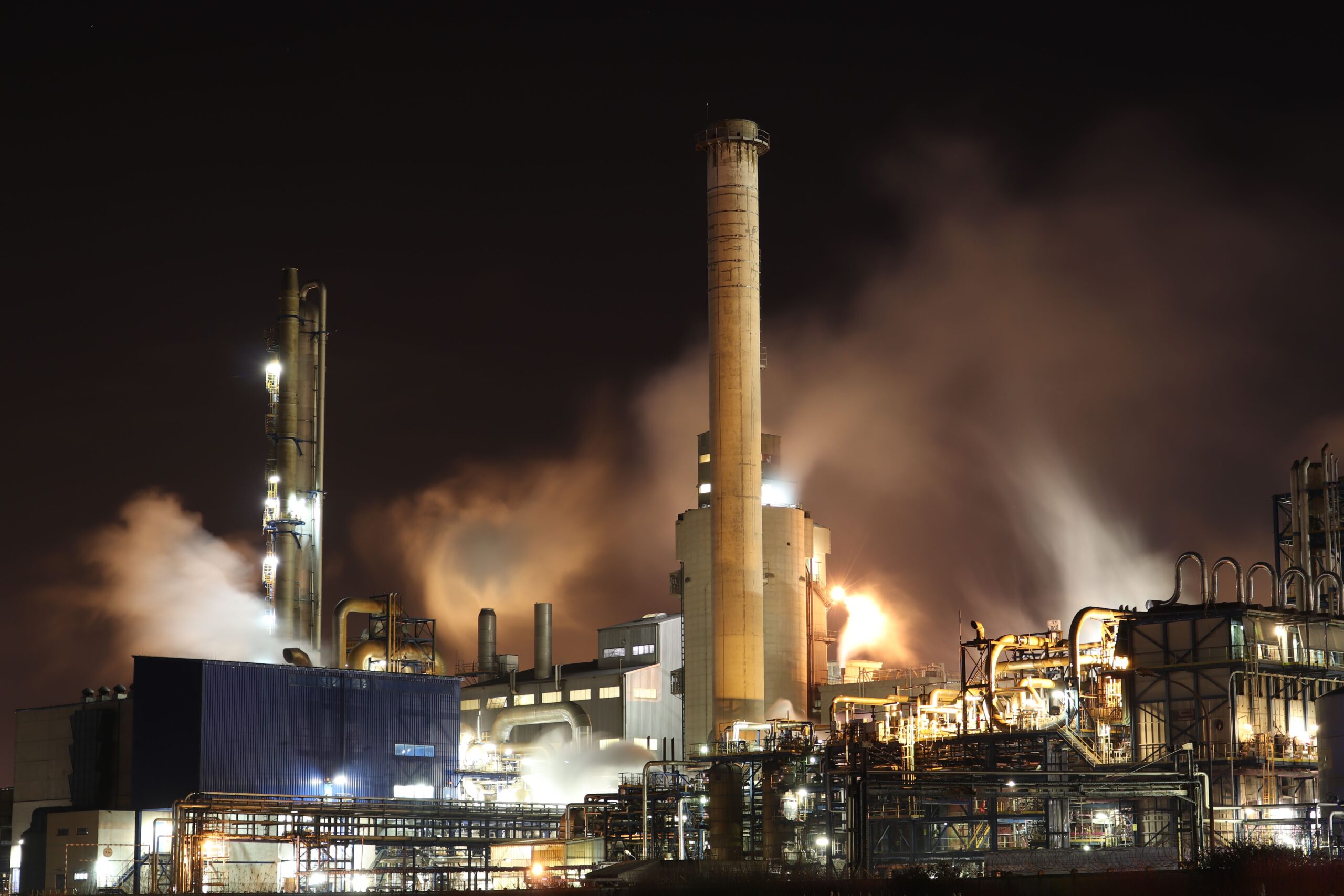
Ukrainian defense company Fire Point claimed that its FP-1 deep-strike drones were used in the attack on the chemical plant. However, neither Ukrainian nor Russian officials have officially confirmed the specific targeting of Voronezhsintezkauchuk. Verification of such strikes has become increasingly difficult due to Moscow’s digital censorship and the complexity of distinguishing between debris fires from intercepted drones and direct hits. Russian authorities stated that fires broke out at several industrial facilities, a business center, an apartment building, a school stadium, and a garage cooperative, attributing these to falling drone debris rather than direct impacts on critical infrastructure.
The scale of the Ukrainian offensive was substantial. Russia’s Defense Ministry claimed that its forces intercepted a total of 290 Ukrainian drones across Russia and annexed Crimea between Sunday evening and Monday morning. In Voronezh alone, Gusev reported that 113 drones were downed, with over 70 directed toward the regional capital. This high volume suggests a coordinated saturation attack designed to overwhelm air defense systems. The logistical and political consequences of these strikes extended beyond the immediate blast zones. Civil aviation authorities temporarily suspended flights across all Moscow airports, disrupting a major transportation hub and highlighting the reach of Ukrainian long-range capabilities into the country’s political and economic center.
The human toll of the conflict was evident in multiple regions. In Voronezh, the injuries to civilians, including a child, and the death of train passengers illustrate the risks posed to non-combatants by deep-strike operations. In the Bryansk region, Governor Yegor Kovalchuk reported that a drone attack killed a train driver on Sunday night, while at least five passengers were wounded in a separate strike on a train bound from Anapa to Moscow. Meanwhile, in the Belgorod region, Governor Alexander Shuvaev reported that two civilians were killed and 13 injured in a large-scale attack on Sunday, with damage to eight commercial facilities, 30 apartment buildings, and 35 vehicles. Ukraine’s State Emergency Service reported injuries in its own territory, with two people injured in the Chernihiv region, four in Zaporizhzhia, and two in Kharkiv, following Russian strikes that authorities in Kyiv said had killed four people and injured 32 others on the previous day.

These reciprocal strikes highlight the complex and often opaque nature of modern warfare, where claims of success and damage are frequently contested or unverified. While Ukraine aims to degrade Russia’s military-industrial capacity by targeting refineries, plants, and logistics centers, Russia’s air defense systems have demonstrated a high kill rate for incoming drones, as evidenced by the 290 intercepts reported by the Defense Ministry. The dispute over the specific damage to the Voronezh rubber plant remains unresolved, with independent media providing visual evidence of fires while official channels remain silent on the extent of production losses.
As the smoke clears over Voronezh, the focus shifts to the durability of Russia’s industrial supply chains and the sustainability of Ukraine’s long-range strike campaign. The next confirmed development will likely hinge on official assessments of the damage to Voronezhsintezkauchuk and the broader impact on the production of military-grade materials, which will determine the strategic efficacy of these deep strikes in the coming months.