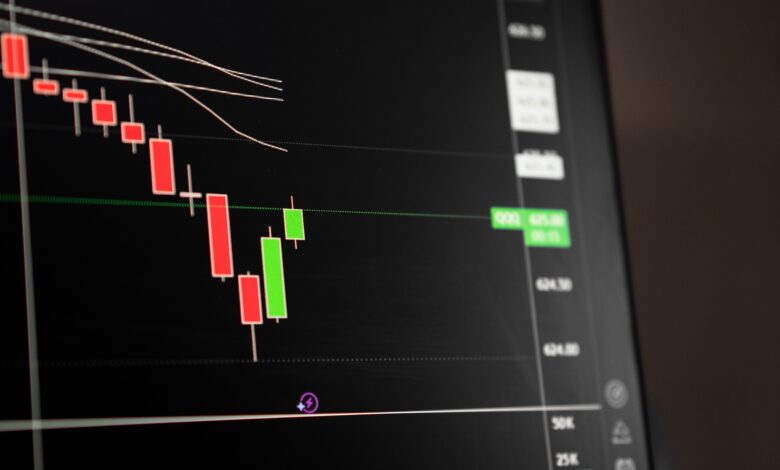
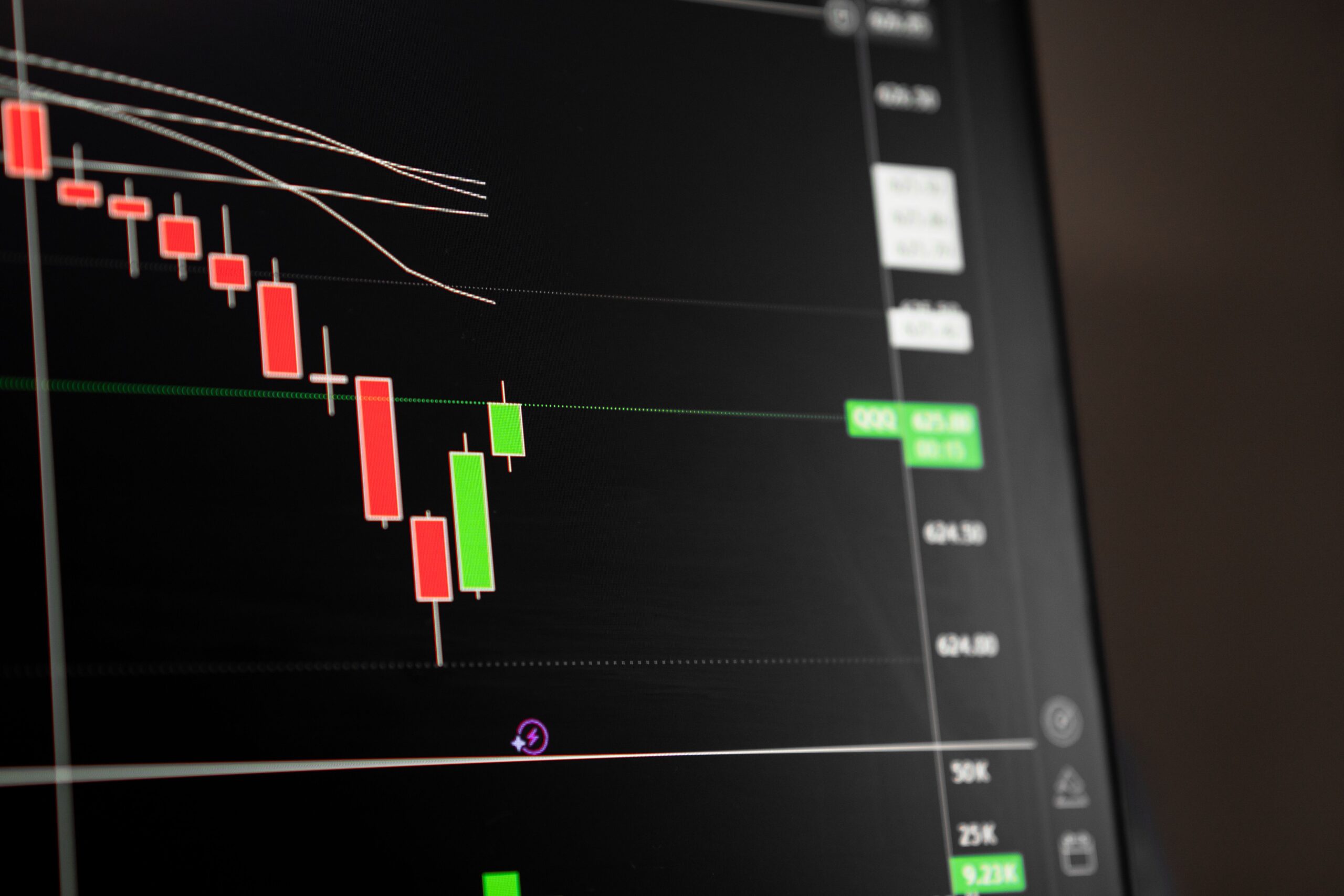
The immediate effect of the reported diplomatic progress was a pullback in pricing for major crude benchmarks. Investors responded to the news by unwinding hedges and reducing demand for the asset as a safe haven against potential supply disruptions in the Middle East. This movement highlights the strong correlation between geopolitical stability and crude oil valuations, where the absence of imminent conflict risk leads to a normalization of prices.
The specific mediation efforts mentioned in the source material do not include detailed technical parameters or specific diplomatic outcomes at this stage. The market reaction was driven by the perception that the likelihood of a significant supply shock had diminished. No changes to production quotas, export sanctions, or physical infrastructure operations were reported alongside the price movement.
Background context indicates that geopolitical risks in the Middle East frequently influence global oil markets. Tensions involving Iran have historically led to spikes in crude prices due to fears of disruptions in the Strait of Hormuz or attacks on energy infrastructure. When such risks are perceived to be easing, the associated risk premium embedded in oil contracts tends to evaporate, leading to price corrections.
The next catalyst for the market will depend on the outcome of the ongoing mediation talks and any subsequent official statements from relevant governments or international bodies. Traders will monitor these developments closely for signs of further de-escalation or renewed friction, which could reverse the current downward price trajectory.