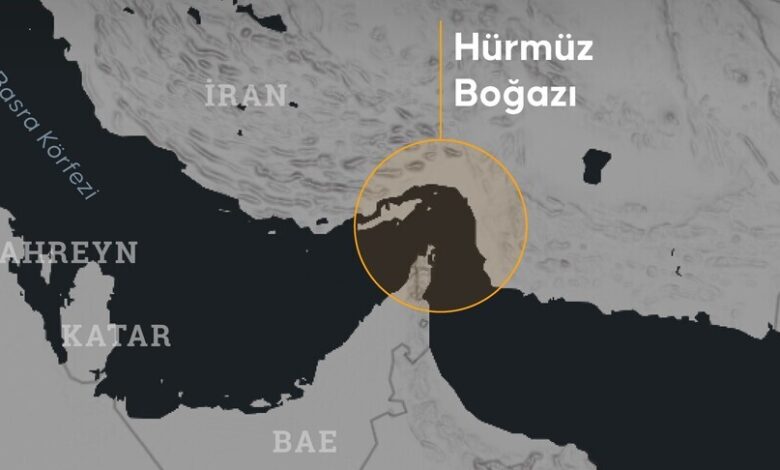
The sequence of events, as detailed by the Iranian military, suggests a deliberate tactical decision by the vessel’s operators to obscure their position by turning off tracking devices. In the context of maritime security, such actions are often interpreted as an attempt to bypass surveillance or monitoring checkpoints. The consequence was severe: the collision with the submerged explosive device not only damaged the vessel but also created an immediate environmental and safety hazard due to the resulting fire. The strait, which connects the Persian Gulf to the Gulf of Oman, is a chokepoint for energy markets. Any incident involving a fire on a tanker in this region carries immediate implications for shipping insurance rates, route planning, and the broader stability of oil supply chains.
The Iranian Naval Forces Command used the announcement to issue a broader caution to the maritime community. The statement emphasized that if ships continue to attempt to pass through the dangerous area, particularly under conditions that may be viewed as non-compliant or evasive, further mine strikes are likely to occur. This warning frames the incident not as an isolated accident, but as a predictable outcome of specific navigational behaviors within a contested zone. The military’s position underscores the high-stakes nature of navigation in the Strait of Hormuz, where geopolitical tensions can rapidly translate into physical risks for commercial shipping.
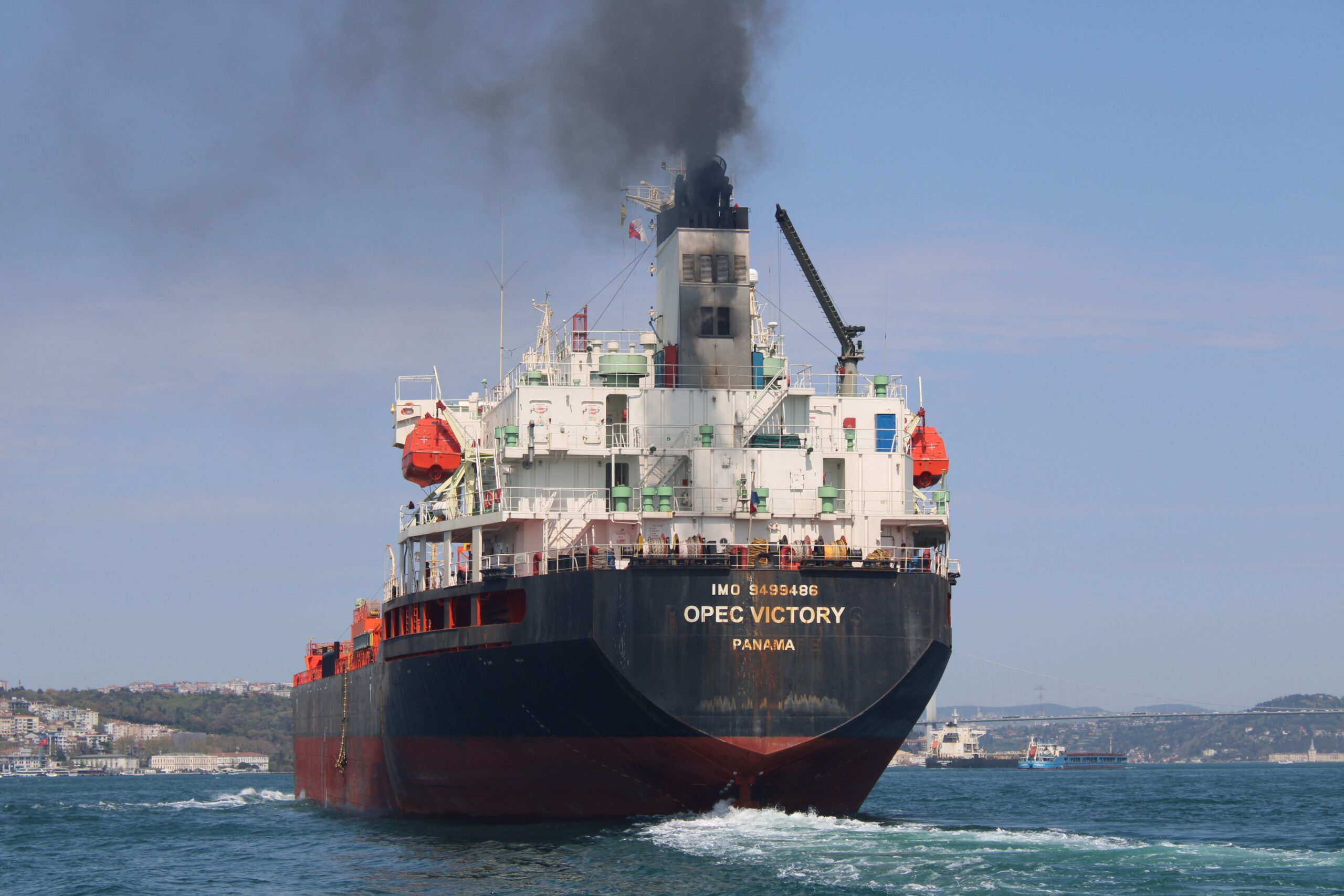
For the global energy market, the significance of such an incident lies in its potential to exacerbate supply volatility. Although the immediate impact on global oil prices was not quantified in the available reports, the threat to the flow of petroleum products through the strait remains a persistent concern for producers, refiners, and consumers alike. The strait’s capacity is constrained by its narrow width and shallow depths, forcing tankers to line up in single file for certain passages. A disabled or burning vessel in this environment can bottleneck traffic, leading to delays that ripple through downstream industries. The fact that the ship was unable to continue its voyage means that its cargo is now stranded, requiring either salvage operations or alternative transportation methods, both of which add cost and time to the supply chain.
The response from the Iranian military reflects a strategy of deterrence through demonstrated force. By publicly attributing the mine strike to the vessel’s decision to disable its tracking systems, the command signals that it maintains the capability to monitor and intercept maritime traffic, and to impose physical consequences for non-compliance. This stance adds a layer of complexity to international shipping operations in the region, where vessel operators must navigate not only the physical constraints of the waterway but also the evolving security protocols imposed by regional powers. For ship owners and operators, the incident serves as a stark reminder that the risk premium for transiting the Strait of Hormuz is not merely financial but operational and safety-critical.
As the fire on the tanker continues to be managed, the focus shifts to the operational and diplomatic ramifications. The incident does not represent a change in the underlying energy demand or production levels, but it does introduce a variable of uncertainty into the shipping sector. The availability of accurate data on the extent of the damage and the environmental impact of the fire remains pending, with the initial report focusing primarily on the cause and the military’s reaction. The broader energy system, however, remains attentive to any signals that could escalate tensions in the region, as the reliability of the Strait of Hormuz is a cornerstone of global energy security. The situation remains fluid, with the immediate concern being the safety of the crew and the containment of the fire, while the longer-term implications for maritime insurance and routing strategies are assessed by industry stakeholders.
The tanker, now stationary in the eastern strait, serves as a physical manifestation of the risks inherent in global energy logistics. Its disabled tracking systems and the resulting mine strike illustrate the thin margin between routine commercial shipping and geopolitical conflict. As authorities work to address the immediate crisis, the incident underscores the need for clear communication and strict adherence to navigational protocols in one of the world’s most sensitive energy corridors. The resolution of this specific incident—whether through salvage, refloating, or salvage operations—will be a key indicator of the stability of the region’s maritime environment in the coming days.