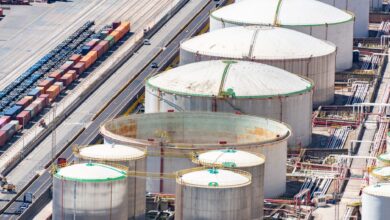

The mechanics behind this production surge reveal a complex interplay of storage management and logistical routing. According to Bloomberg columnist Javier Blas, Riyadh’s official data indicates that supply to the market, net of storage, was 9.203 million bpd. The remainder of the wellhead output was directed into storage, a strategic buffer that allows producers to manage short-term volatility while maintaining long-term contractual obligations. Saudi Aramco executed these exports through two primary routes: the traditional Persian Gulf terminals and the East-West pipeline, which transports crude to the Red Sea port of Yanbu. This dual-route strategy is critical in an environment where security threats can disrupt single corridors. Indeed, on the Monday prior to the report, an attack on the East-West pipeline triggered a limited fire. Saudi Arabia’s Energy Ministry confirmed that emergency crews extinguished the blaze without disrupting operations, highlighting the resilience of the infrastructure despite the hostile environment.
This Saudi expansion did not occur in isolation but as part of a broader OPEC+ adjustment. The organization’s monthly report, derived from secondary sources, placed total OPEC+ crude output at 41.23 million bpd in October, an increase of 2.04 million bpd from the previous month. Within this aggregate, the performance of individual members diverged sharply based on geopolitical constraints. Iran, for instance, saw its output plummet to approximately 1.91 million bpd, the lowest level in 40 years. An OPEC source cited by the Swedish news agency TT attributed this decline to a U.S. naval blockade that effectively shut in Iranian exports. Conversely, Iraq reported producing more than 5 million bpd, a figure well above its OPEC+ target of 4.431 million bpd. While Iraqi Oil Minister Basim Mohammed Khudair initially cited the higher production, the Oil Ministry subsequently reaffirmed its commitment to the 4.431 million bpd ceiling, stating that October output had risen without specifying the exact figure. The International Energy Agency (IEA) had estimated Iraq’s September output at 4.1 million bpd, suggesting a rapid ramp-up in the latter half of the quarter.

The market response to these supply changes has been nuanced. Despite the significant increase in physical barrels available, Brent crude rose 1.4% to $92.73 per barrel, and WTI gained 1.3% to $87.13 as of 9:27 a.m. ET on Wednesday. This price resilience can be attributed to persistent security concerns. Reuters reported that attacks on shipping in the Strait of Hormuz are offsetting hopes for a U.S.-Iran truce, keeping a risk premium in the price of crude. The disconnect between physical supply increases and price stability underscores the fragility of the current supply chain, where the threat of disruption outweighs the immediate availability of barrels.
Looking ahead, the focus shifts from immediate output figures to structural capacity assessments. OPEC+ is currently reviewing the maximum production capacity of each member state ahead of a ministerial meeting scheduled for November 29. This meeting will set output targets for 2027, a decision that will define the group’s strategic posture for the coming decade. In this context, Iraq has expressed a desire to have its baseline built on a capacity of around 6 million bpd, reflecting its intent to solidify its position as a major supplier. For Saudi Arabia, the ability to return to 10.5+ million bpd suggests a restored operational capacity, yet the reliance on storage buffers and dual export routes indicates that normalcy has not fully returned to the region’s energy logistics.
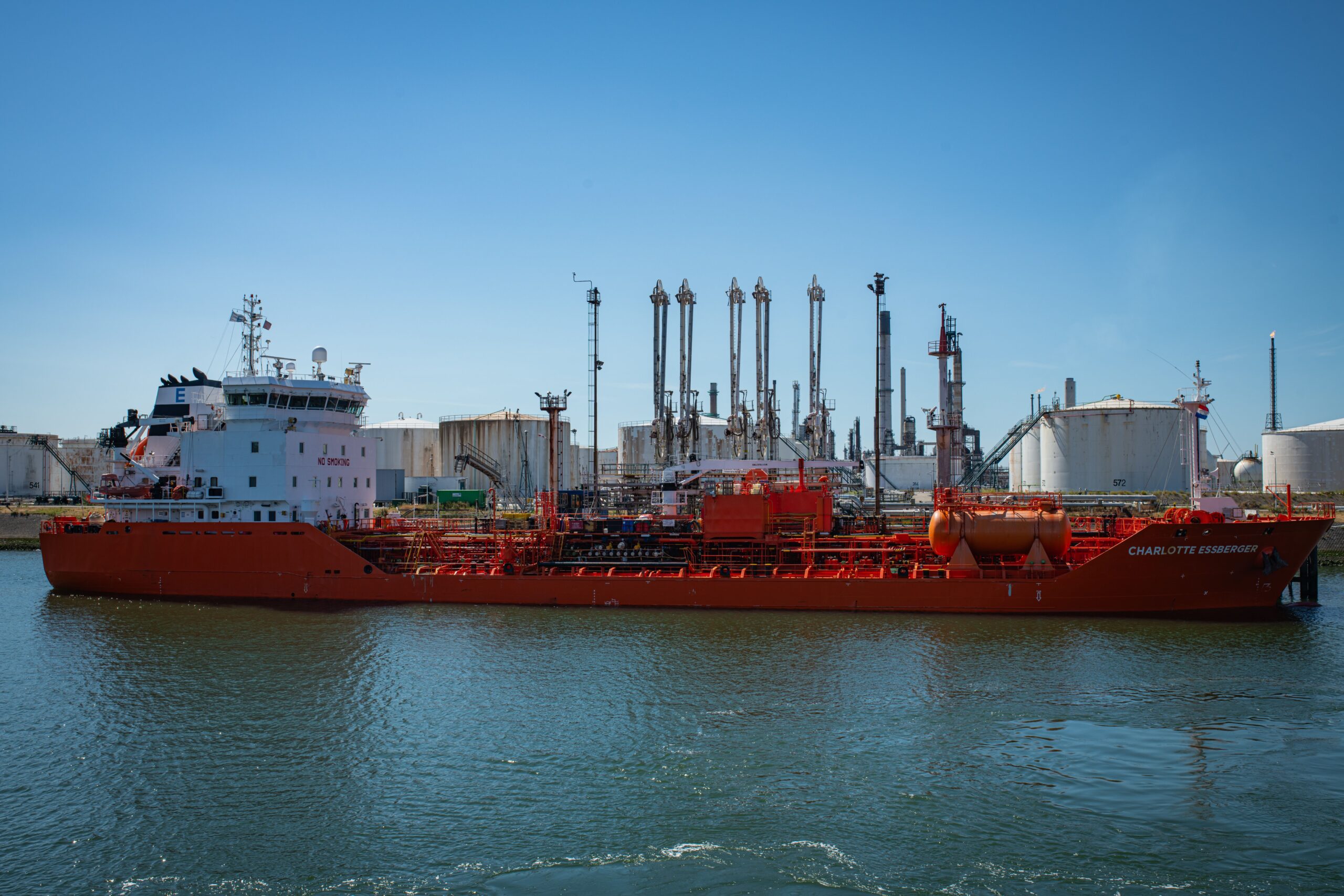
As the November 29 meeting approaches, the global energy system faces a critical juncture. The data shows a market where supply is recovering in some hubs—specifically Saudi Arabia and Iraq—while collapsing in others due to geopolitical enforcement, such as the blockade of Iranian exports. The next verified development will likely center on the outcomes of the OPEC+ ministerial meeting, where the balance between member capacity claims and market stability will be negotiated. Until then, the interplay between physical barrels, storage levels, and shipping security will continue to dictate the trajectory of global crude prices.