
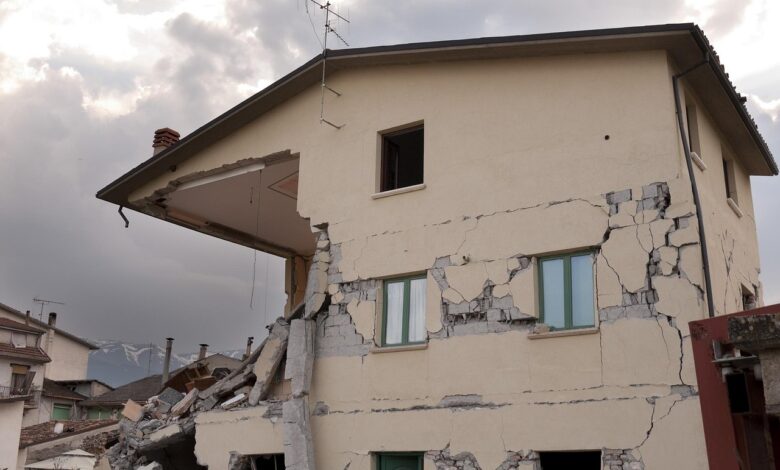
Dutch Minister of Foreign Affairs Tom Berendsen confirmed the incident on Thursday, stating that while the building sustained minor damage, all colleagues at the embassy were unharmed. “We are investigating exactly what happened. Our priority now is the well-being of our staff,” Berendsen said in a statement. Approximately 40 people work at the Dutch embassy in Kyiv, comprising both Dutch nationals and local Ukrainian employees. Dutch Defence Secretary Derk Boswijk, speaking to the public broadcaster NOS, noted that while this was not the first time an embassy in the region had been impacted, it served as “additional confirmation that we must support Ukraine.”
The incident highlights the increasing vulnerability of diplomatic infrastructure in active conflict zones. Ukrainian Foreign Minister Andrii Sybiha attributed the damage explicitly to a Russian attack, posting photographs of the damaged embassy on his Telegram channel. Sybiha called on the international community to “strongly condemn Russian attacks on foreign diplomats” and expressed firm support for the Dutch staff. The attack on the Dutch mission is part of a documented pattern of damage to diplomatic facilities in Ukraine. In November of the previous year, the Azerbaijani embassy in Kyiv was damaged by Russian attacks. More recently, in late September of that year, a Russian missile projectile damaged the Polish embassy, and the European Union’s representation in Ukraine also sustained damage during the same period. Most recently, in November, a Russian attack on Dnipro damaged the Honorary Consulate of Austria.
The strategic and operational context of the November 19 strikes reveals a sustained Russian campaign targeting both military and civilian infrastructure in Kyiv. While the specific targeting of the Dutch embassy remains under investigation by Dutch authorities, the proximity of the impact to a high-profile diplomatic site underscores the risks faced by international personnel in the capital. The use of drones in this manner allows for persistent threats over large urban areas, complicating air defense efforts and exposing a wide range of targets, from government ministries to private residences.

The consequences of the broader attack on Kyiv extended far beyond the diplomatic quarter. According to Vitali Klitschko, the Mayor of Kyiv, one person died in the Poddil district as a result of the strikes. The Kyiv City Military Administration (KMA) later specified that the deceased was a 26-year-old man. In total, four people were injured in the capital during the attack. The KMA reported that the city was under active drone attack, with debris falling in multiple locations.
Damage was also reported in the surrounding Kyiv Oblast. In the Brovary district, a private residential house was damaged, and a man sustained injuries to his lower limbs, requiring an emergency medical team. In the Fastiv district, four private houses were damaged by the drone strikes. These incidents illustrate the geographic spread of the assault, affecting both the central administrative hub and the suburban residential areas surrounding the capital.
The Ukrainian Foreign Ministry also reported that debris from a Russian drone fell on the grounds of the ministry itself. Minister Sybiha stated that the ministry would transfer the debris to its museum. In a statement reflecting the diplomatic stance of the Ukrainian government, Sybiha addressed the Russian attackers directly, stating, “To Russian terrorists, our diplomatic service has a simple and non-diplomatic message: follow the Russian warship, scoundrels. You will never intimidate Ukrainian diplomacy.” This rhetorical response underscores the tension between the legal protections afforded to diplomatic missions under international law and the reality of their exposure to kinetic military action in wartime.
From a defense perspective, the incident raises questions about the effectiveness of air defense systems in protecting high-value, static targets in dense urban environments. While air defenses successfully intercepted many incoming threats, the fact that a drone penetrated the defenses to strike near a major embassy indicates that gaps in coverage or the sheer volume of attacks can overwhelm protective layers. The logistical constraints of defending a large metropolitan area like Kyiv, which is a critical political and economic center, remain significant challenges for Ukrainian forces.

The immediate military objective of such attacks appears to be the degradation of civilian morale and the disruption of administrative functions, rather than the destruction of specific military assets. The damage to the Dutch embassy, while minor in scale, carries significant political weight. It serves as a tangible reminder to allied nations of the risks their personnel face in Kyiv. For the Netherlands, the incident reinforces the need for continued support for Ukraine, as cited by Defence Secretary Boswijk. The safety of roughly 40 embassy staff, while currently secure, remains a priority for both Dutch and Ukrainian security services.
What remains disputed or uncertain is the precise intent behind the strike on the building behind the Dutch embassy. Whether it was a direct targeting of the diplomatic mission or a collateral consequence of a strike on a nearby target is still under investigation. The Dutch side has not confirmed the specific nature of the projectile beyond it being a drone, aligning with the Ukrainian claim. The lack of immediate casualties at the embassy itself is a mitigating factor, but the structural damage serves as a stark indicator of the proximity of combat operations to diplomatic enclaves.
The next confirmed development in this sequence of events will likely involve the formal diplomatic response from The Hague and other European allies, as well as the ongoing investigation into the specific air defense failures that allowed the drone to reach its target. The Ukrainian government continues to update information on the extent of damage across Kyiv and its suburbs, with the KMA monitoring new areas of debris fall. For the Dutch embassy, the focus remains on the well-being of its staff and the restoration of the damaged facilities, while the broader narrative of diplomatic vulnerability in the war continues to unfold.





2 Comments