
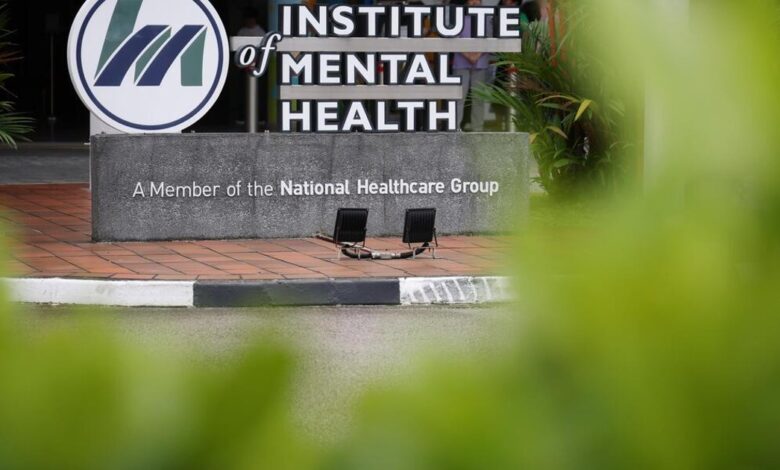
The redesignation aligns the institution with Singapore’s existing national specialty centres for cancer, heart, and eye conditions. Under this new framework, the centre will lead research, coordinate psychiatric care across the hospital network, and build sector-wide capabilities. This structural change reflects a broader move away from the historical model of IMH operating primarily as a long-stay facility for patients, shifting focus toward specialized, integrated care.
The expansion is driven by a steady rise in mental health challenges, particularly among young people. Hospitals and specialist clinics are reporting increased patient volumes, including individuals still in school. Community-based services are also under greater strain, with the number of youths receiving help in the community more than doubling in recent years. Additionally, the national mental health helpline, mindline 1771, is currently handling approximately 9,000 calls for assistance each month.
Mr. Ong stated that the government must respond to these trends on two fronts: strengthening specialist care infrastructure and prioritizing prevention and early intervention. To complement the central hub, three regional hospitals—Changi General Hospital, Woodlands Hospital, and Alexandra Hospital—are actively strengthening their psychiatric capabilities. This distributed model aims to provide support closer to where people live, reducing the burden on a single central facility.
“The Institute of Mental Health has long been the bedrock of specialist psychiatric care in Singapore. But looking ahead, IMH will need stronger support from other hospitals,” said Ong Ye Kung.
Alongside infrastructure upgrades, the government is revising parental consent rules to ensure young people are not deterred from seeking help. Mr. Ong emphasized that seeking mental health support should not be viewed negatively or become a “mark against a person.” He noted that while stigma remains a key barrier, with some individuals fearing judgment from families, employers, or concerns about future educational and insurance opportunities, the government is working to ensure disclosures are limited to relevant circumstances and handled fairly.

Mental health advocate Anthea Ong supported the rebranding, suggesting the new centre should act as a key enabler for a stronger mental health ecosystem. She advocated for the sharing of expertise across primary care and community organizations to ensure support is available earlier. The government’s strategy thus combines physical infrastructure growth with policy adjustments to reduce stigma and improve access to early-stage interventions.
The transition to the National Centre for Mental Health Singapore represents a significant milestone in the country’s health policy. By 2040, the redeveloped facility is expected to serve as the primary hub for psychiatric research and coordinated care, supported by enhanced regional hospital capabilities and a more stigma-resistant cultural approach to mental well-being.