
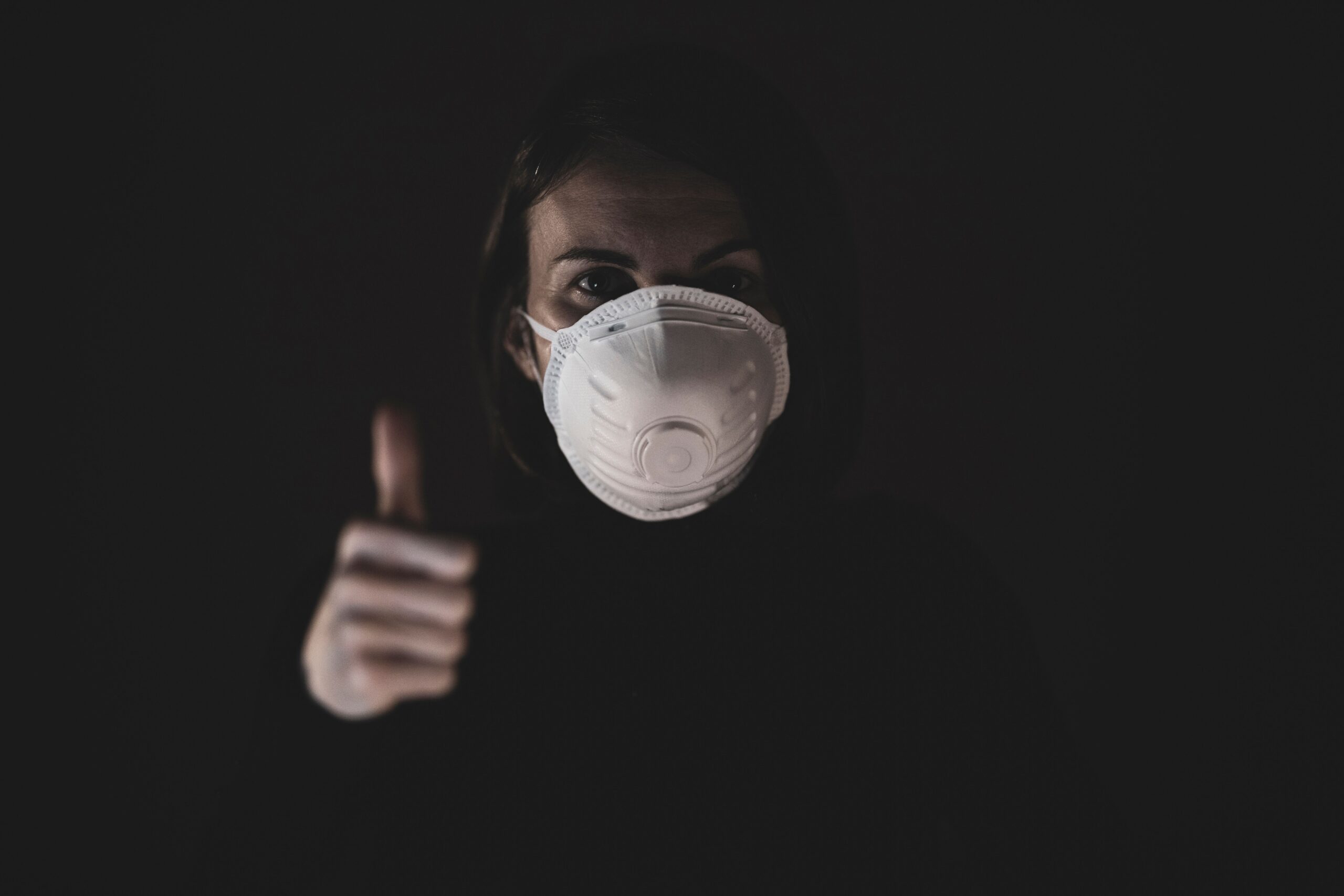
The primary objective of the task force is to protect the health and well-being of the public, with a specific focus on vulnerable groups. These include the elderly, pregnant women, children, and individuals suffering from chronic lung and heart diseases. As part of this tiered response, the government has set aside stocks of N95 masks to ensure that residents who may be more susceptible to the effects of haze, or who have limited financial means to purchase protective equipment, can access them without cost.
Targeted Distribution for Vulnerable Groups
Mask distribution will commence once the 24-hour PSI exceeds 200. The People’s Association (PA) grassroots organisations will lead the distribution effort, utilizing mask vending machines located at selected public transport hubs and social services offices. Eligible Singaporeans must present their National Registration Identity Cards (NRICs) to collect the masks, which will be provided in packs of two. Family members or friends may also collect masks on behalf of eligible individuals, provided they present the eligible person’s NRIC.
The eligibility criteria for free mask distribution are specific and designed to target those most at risk or in financial need. The following groups are eligible to collect masks at designated transport hubs and social service offices:
- Members of the Pioneer Generation and Merdeka Generation.
- Cardholders of the Community Health Assistance Scheme (CHAS) Orange and Blue cards.
- Holders of Medical Fee Exemption Cards.
- Recipients of ComCare Assistance.
Additional groups, including pregnant women, children aged seven to 16, and individuals with specific medical conditions such as asthma, are permitted to collect masks at PA venues. This differentiated approach ensures that those with acute respiratory risks or heightened vulnerability have accessible points of distribution distinct from general welfare recipients.
Public Shelters and School Protocols
Beyond personal protective equipment, the task force has outlined infrastructure measures to provide immediate relief from poor air quality. When the PSI enters the “very unhealthy” range (201 to 300), air-conditioned rooms in Community Clubs (CCs) and selected Residents’ Committee (RC) and Residents’ Network (RN) centres will be converted into haze shelters. Residents are advised to contact their nearest Community Club to verify operating hours and specific locations for these shelters.
The task force also clarified guidelines for outdoor activities, noting that N95 masks are generally not required for short-duration outdoor exposure, such as commuting from home to work or school, or when remaining indoors. However, stricter measures are in place for educational institutions. School closures will be considered if the forecast for the following day indicates that the 24-hour PSI will exceed 300, a threshold indicating hazardous air quality.
Supply Assurance and Health Guidance
In addressing potential concerns over supply shortages, the task force stated that sufficient stocks of N95 masks remain in both retailers’ warehouses and government stockpiles. The agency works closely with major retailers to ensure continued availability in the commercial market. This dual strategy aims to prevent panic buying while guaranteeing access for those who cannot afford or access retail channels.
The activation of the HTF represents a significant escalation in Singapore’s haze management strategy, shifting from general advisories to targeted resource deployment. While the current air quality remains a concern due to the forecasted rise in PSI levels, the government’s response is structured to mitigate health risks through both protective equipment and environmental controls. The task force emphasized its readiness to roll out further tiers of action plans should the air quality continue to deteriorate, maintaining a focus on safeguarding the most vulnerable segments of the population.