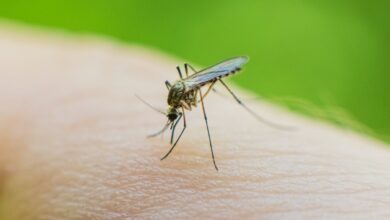

The declaration of an outbreak is not arbitrary but is based on specific epidemiological criteria. In this instance, two human cases were diagnosed within a similar timeframe and within a close geographic radius. This spatial and temporal clustering indicates sustained viral activity in the local mosquito population, meeting the standard definition for an outbreak. While West Nile virus is a known seasonal threat during late summer, the confirmation of a local outbreak serves as a critical alert for residents to heighten their vigilance regarding mosquito-borne risks.
For the vast majority of individuals, the clinical reality of West Nile virus is often invisible. Abdoulaye Diedhiou, MD, PhD, MPH, the state epidemiologist for South Carolina, noted that most people infected with the virus never develop noticeable symptoms. The virus typically circulates through mosquito vectors, and asymptomatic infections are the norm rather than the exception. However, the potential for severe disease, while statistically rare, remains a significant public health concern. The risk of serious illness is low, with fewer than one percent of infected individuals developing encephalitis, a potentially fatal swelling of the brain. This small but serious subset of cases underscores the importance of preventive action, even when the probability of severe outcome is minimal.
The local outbreak in the Pee Dee is part of a broader national trend. According to data from the Centers for Disease Control and Prevention, the United States has recorded 181 cases of West Nile virus so far in 2026. Of these, 129 cases have been classified as neuroinvasive disease, indicating a significant proportion of infections leading to severe neurological complications. Thirty states have reported infections this year, with Arizona leading the count at 73 cases. The presence of the virus across such a wide geographic spread highlights the persistent challenge of managing mosquito-borne diseases across the country.
“Most people infected with West Nile virus have no symptoms,” said Abdoulaye Diedhiou, MD, PhD, MPH, the South Carolina state epidemiologist. “The risk of serious illness is low, with less than one percent of people infected developing encephalitis, a potentially fatal swelling of the brain. However, we urge residents in the area to take this alert seriously and take the precautions advised to further lower their risk of contracting West Nile virus.”
Public health authorities are emphasizing that individual behavior plays a crucial role in mitigating risk. The recommended precautions focus on reducing exposure to potential mosquito vectors. By taking steps to lower the likelihood of being bitten, residents can further reduce their personal risk of contracting the virus. This approach is particularly important in areas where sustained activity has been confirmed, as the presence of the virus in the local environment increases the probability of exposure for unprotected individuals.
While the immediate focus is on the outbreak in South Carolina, national vaccine policy discussions continue to evolve. The US Department of Health and Human Services (HHS) is currently seeking nominations for membership on the National Vaccine Advisory Committee (NVAC). This independent group advises HHS on vaccine policy issues, aiming to achieve optimal prevention of human infectious diseases through immunization and to minimize adverse reactions to vaccines. Appointees, who serve terms of up to four years, are selected to ensure a balanced representation of public members engaged in gold standard science, vaccine safety or efficacy research, physicians, scientists, parent organizations, and state or local health agencies. Although the Federal Register notice regarding these nominations is scheduled for publication, the details of the selection process have already been outlined, signaling an ongoing commitment to refining national immunization strategies.
The current situation in the Pee Dee region serves as a reminder that while West Nile virus is a common seasonal occurrence, its impact can vary significantly based on local transmission dynamics. The two diagnosed cases in South Carolina are not just individual medical events but indicators of a larger ecological and public health pattern. As the season progresses, monitoring will continue to determine if the outbreak expands or subsides. For now, the focus remains on community awareness and adherence to preventive measures to protect vulnerable populations from the potential, albeit low, risk of severe neurological disease.