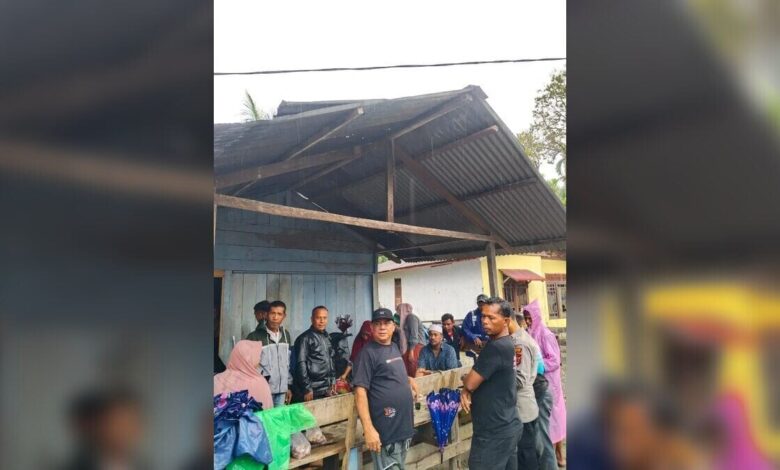
Hendri Zulviton, head of the Padang City Disaster Management Agency’s executive body, identified specific areas within these districts as the most severely impacted. In Kuranji, the location of Guo Lapau Munggu was cited as one of the hardest-hit sites, while in Koto Tangah, Lumin Park and Kampung Apa suffered significant damage. “The worst is there. There are other areas, but they were not as badly affected as those locations,” Zulviton stated, indicating that the severity of the flooding varied across the city.
Resident accounts describe water rising quickly, with some individuals taking shelter in upper floors or climbing into attics to escape the inundation. Disaster agency teams responded to the scene to assist trapped residents, with reports confirming that more than a dozen people required evacuation. Despite the urgency of the response, no official casualty count or comprehensive tally of damaged homes and blocked roads has been released, leaving the full scale of the disaster currently unclear.

Relief and Recovery Efforts
Recovery operations began immediately following the initial surge. On Sunday, October 11, the Baitul Mal Foundation of state-owned electricity company PLN’s Padang customer service unit distributed assistance in the Lubuk Minturun and Guo areas. The aid package included boxed meals, instant noodles, and hot drinks, aimed at meeting the immediate nutritional needs of residents whose homes were flooded and mobility impaired.
The distribution also provided support to emergency crews working at the disaster sites. Ririn Rachmawardini, general manager of PLN’s West Sumatra regional unit, stated that the assistance was intended to ease the burdens of residents and encourage them during a difficult period. “We hope the assistance we have brought can ease residents’ burdens a little and encourage them by showing that many people care and want to help,” Rachmawardini said. While the aid addresses short-term survival needs, it does not resolve the underlying damage to homes, infrastructure, or the disrupted transportation networks in the affected districts.
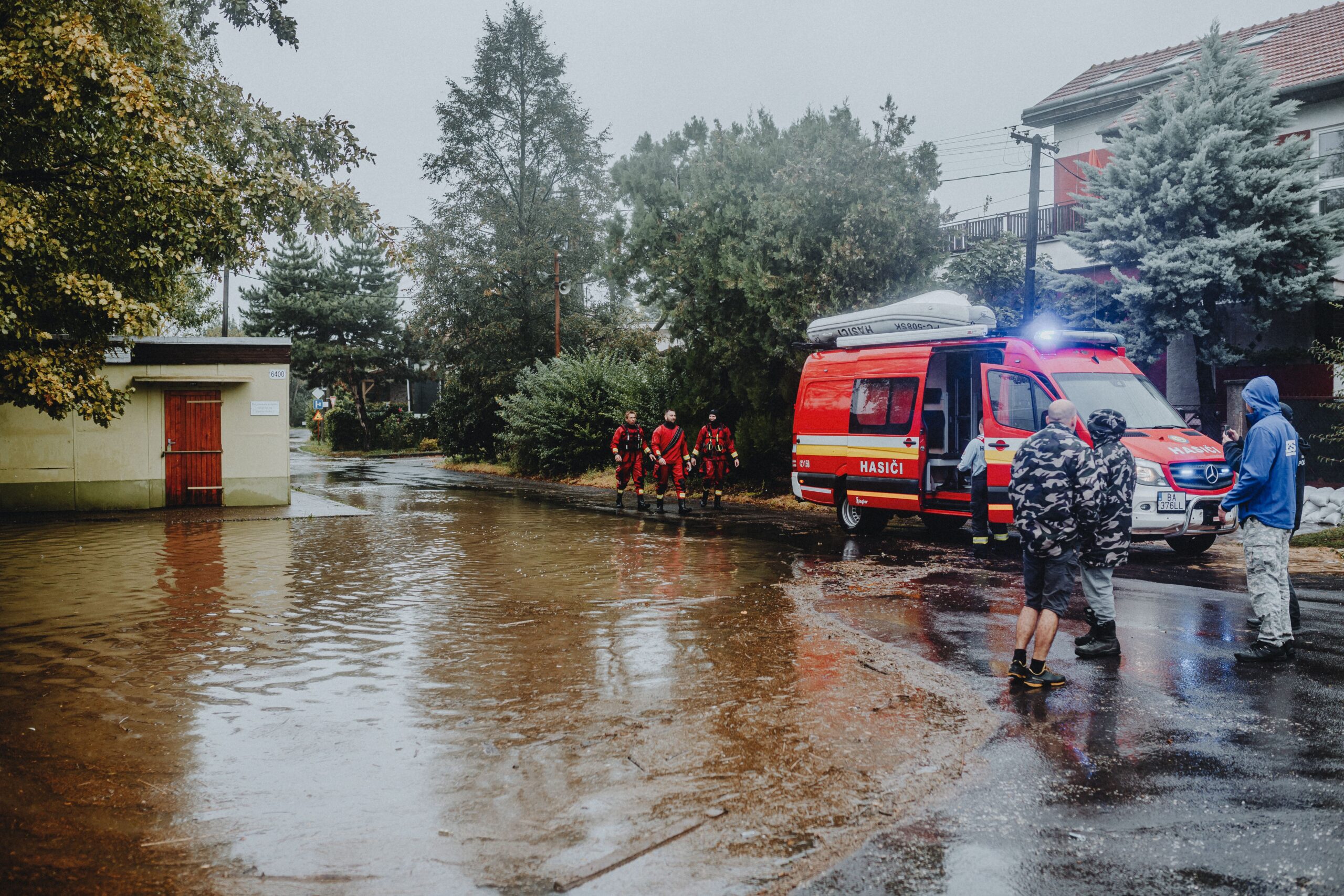
The flooding in Lubuk Minturun, specifically at Lumin Park, marks a recurrence of severe weather impacts in that specific location. Similar flooding events were recorded there in late November 2025. However, available information does not establish a definitive link between the recurring nature of the floods and specific long-term environmental or urban planning factors, nor does it provide detailed meteorological data on the specific rainfall intensity that triggered the Saturday event.
As recovery continues, local authorities and aid organizations are focused on stabilizing the situation in the worst-affected districts. The absence of final damage assessments means that the long-term impact on the local population and the necessary resources for reconstruction remain uncertain. Monitoring of potential further rainfall and the condition of damaged infrastructure will be critical in the coming days to prevent secondary hazards.