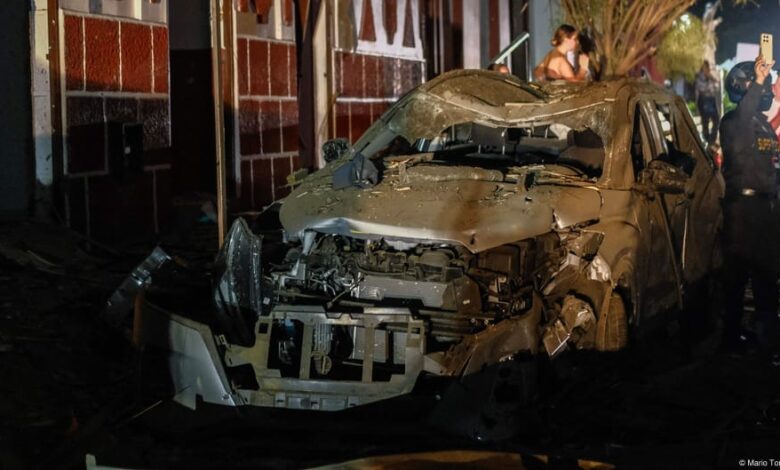
President Abelardo De la Espriella attributed the attack to “narcoterrorism” and stated that his government would respond “bluntly and forcefully.” In a social media post, he warned responsible parties that the state would deploy “full power” to dismantle their organizations. The incident has not been publicly claimed by any group, although it is the latest in a series of attacks using explosives to target official buildings and security forces’ headquarters.
The blast occurred on the eve of the 10th anniversary of the 2016 peace agreement between the Colombian government and the Revolutionary Armed Forces of Colombia (FARC). While the deal led thousands of FARC fighters to lay down their arms, dissident factions that refused to disarm have joined criminal networks. These groups have intensified violence in recent years, driven by conflicts over drug trafficking, illegal mining, and extortion. President De la Espriella, who took office in August, has criticized the 2016 accord as a “false peace” and launched a military offensive against armed groups, a strategy supported by the United States.
Former President Juan Manuel Santos, who signed the peace deal, rejected De la Espriella’s characterization, arguing that the current violence stems from the lack of implementation of the agreement rather than the deal itself. Santos stated in a BBC Mundo interview that linking today’s violence to the peace process is a “cynical and mistaken theory.”

Military and security data indicates a significant escalation in violence. According to a Defense Ministry document obtained by AFP, authorities recorded 358 drone strikes between January and November of last year, averaging more than one per day. Other recent incidents include a car bomb near army barracks in Tolima province three weeks ago that killed three adults and a baby, and drone-dropped explosives on police headquarters in Cúcuta earlier on Monday.
Initial investigative theories cited by local media point to a FARC dissident commander known as “Antonio Medina,” who leads the 28th and 39th fronts of the “Amazonas Bloc.” However, no official confirmation of perpetrator identity has been released. The attack has raised concerns about the structural integrity of the regional government building, with reports suggesting it could be at risk of collapse. Authorities continue to secure the perimeter while assessing the damage to the city center, where power outages and shattered storefronts were reported.