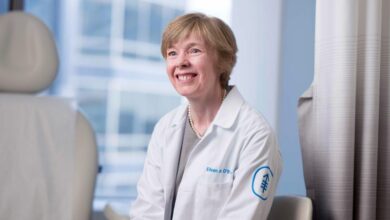
Dr. Shacham’s perspective on this shift is grounded in the tangible improvements observed in oncology over recent years. “We are living in an amazing age, when some of the most devastating cancers, which once left patients with only a few months to live, are becoming chronic, manageable diseases,” she states. This observation underscores a broader change in clinical outcomes, where diseases previously considered terminal are increasingly being managed as long-term conditions. Although the source material does not detail specific clinical trials, drug names, or statistical survival rates associated with her previous work at Karyopharm Therapeutics, it highlights her role in co-founding that company and contributing to the development of novel cancer treatment strategies.
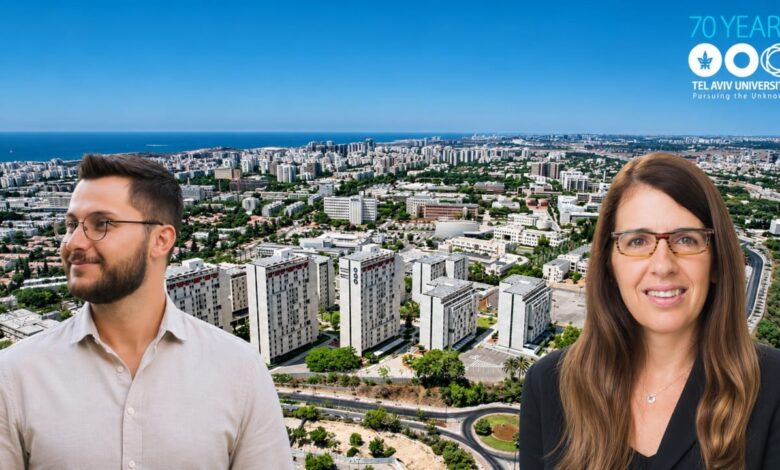
The scientific foundation of Shacham’s work is deeply interdisciplinary. She earned all her academic degrees at Tel Aviv University, including a Bachelor of Science in Chemistry, a Ph.D. in Biophysical Chemistry, and an MBA with a focus on information systems. Her expertise spans chemistry, biochemistry, computational physics, and protein modeling. This comprehensive background allows for a complex approach to biological problems, combining rigorous laboratory science with the strategic and computational tools necessary to navigate the biotech industry. At Tel Aviv University, Shacham notes that she was encouraged not to remain confined to the laboratory but to view the broader context of her work. “In my undergraduate work, I didn’t just learn chemistry. I learned to think. In my Ph.D. program, I learned how to use these tools and apply them to big problems,” she explains.

The motivation for Shacham’s career in science is personal and historical. She cites two primary influences: Marie Curie, the first woman to win a Nobel Prize and the only person to win the award in two different scientific fields, and her grandmother, who was a member of the Haganah. Reading Curie’s biography at the age of ten, Shacham was inspired by the scientist’s courage and curiosity. This early inspiration transformed into a personal mission when her grandmother was diagnosed with Alzheimer’s disease when Shacham was fifteen. “Since then,” Shacham says, “I have had the passion to fight some of these terrible diseases. We have made much progress, but we still have a way to go to help people who are suffering from these devastating diseases have a better life.”
Now, through Regenimo Biosciences, Shacham is applying her scientific rigor to the challenge of aging itself. The company is developing new drugs aimed at extending the human health span by targeting specific biological mechanisms associated with the aging process. This represents a move from treating the manifestations of age-related decline to potentially intervening in the underlying biological pathways. While the specific mechanisms or drug candidates are not detailed in the provided source, the objective is clear: to enhance the quality and duration of healthy life.
Shacham attributes her confidence in pursuing such ambitious scientific goals to a combination of institutional support and cultural identity. She credits Tel Aviv University with fostering an entrepreneurial spirit and an excellent network, which she continues to engage with as an alumna to explore how the university and its graduates can support one another. Additionally, she emphasizes the role of her Israeli identity in driving her aspirations. “A little bit has to do with Tel Aviv University,” she says, “and a lot has to do with being Israeli, knowing there is a way, and being a dreamer. Being Israeli is very important, because we see the light, we dream about the light, and we can feel the fire.”

It is important to note that this report is based on a profile written in collaboration with Tel Aviv University. As such, the information provided focuses on the scientist’s background, motivations, and the stated goals of her company, Regenimo Biosciences. There is no independent clinical data, peer-reviewed study results, or regulatory approval status for any specific drug mentioned in the source material. The transition from cancer treatment to aging research reflects a broader trend in biotechnology, but the efficacy and safety of the specific agents being developed by Shacham’s team remain subjects of ongoing research and future clinical validation.
As the field of geroscience—the study of the biological mechanisms of aging—continues to grow, the work of scientists like Dr. Shacham aims to bridge the gap between basic biological research and clinical application. The ultimate goal of extending the health span is to compress morbidity, allowing individuals to remain healthy for a greater portion of their lives. While the path from laboratory discovery to approved therapy is long and uncertain, the shift in focus from purely therapeutic interventions to longevity-focused treatments marks a significant chapter in the evolution of medical science.