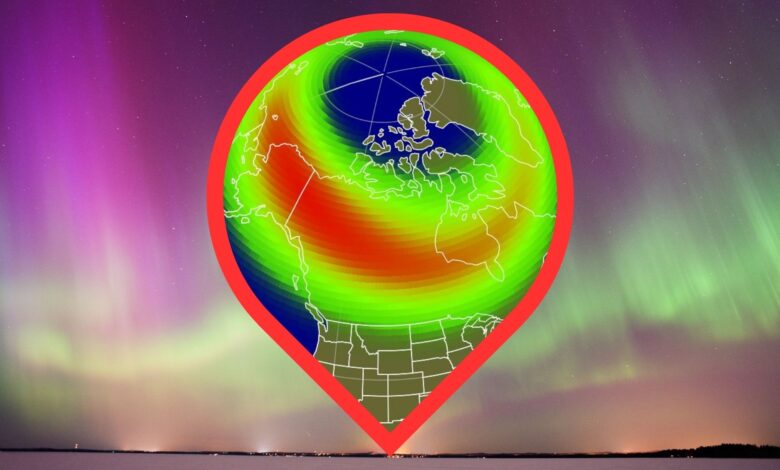
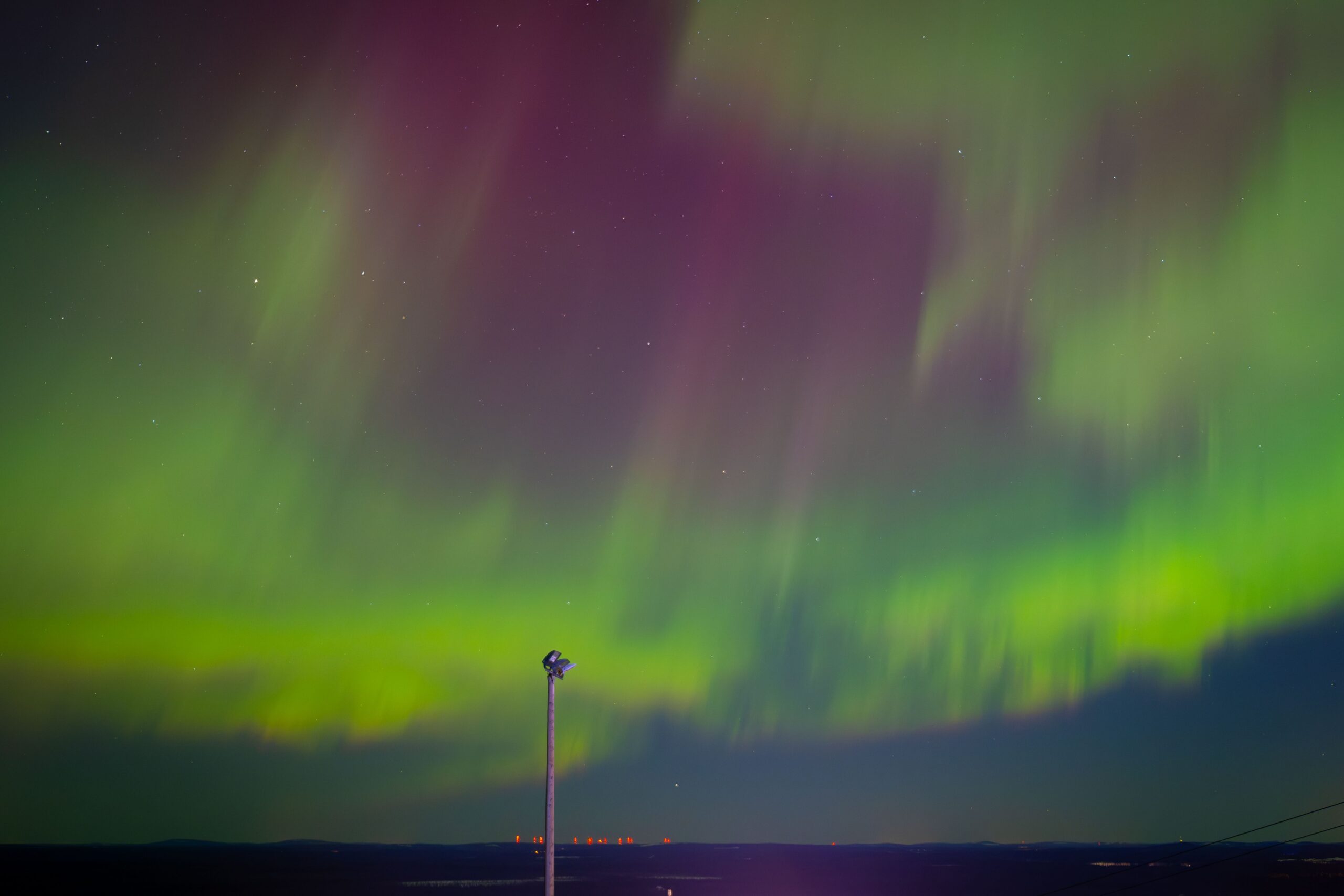
NOAA’s latest three-day forecast places the strongest geomagnetic activity for later on October 9. Minor (G1) geomagnetic storm conditions are predicted between 8 a.m. and 2 p.m. EDT (1200 and 1800 GMT). Moderate (G2) conditions are forecast to follow between 2 p.m. and 8 p.m. EDT (1800 and midnight GMT). Further, isolated G1 conditions are anticipated between 11 p.m. on October 10 and 2 a.m. on October 11 EDT (0300-0600 GMT on October 11). During G2 storm levels, auroras have previously been observed as far south as New York and Idaho. While current prospects are best for northern U.S. states, observers at mid-latitudes may still have chances if the solar material interacts favorably with Earth’s magnetic field.
The uncertainty of the forecast stems from the complexity of multiple CMEs arriving in succession. Early analysis suggests the latest CME, launched on October 8, could catch up with the third CME already in transit. When multiple eruptions interact with Earth’s magnetosphere, the resulting geomagnetic response depends heavily on the orientation of the CMEs’ magnetic fields. A strong southward magnetic field component would couple more effectively with Earth’s field, potentially driving stronger storm activity than currently modeled. Consequently, the exact southern boundary of auroral visibility remains difficult to pinpoint with high precision.
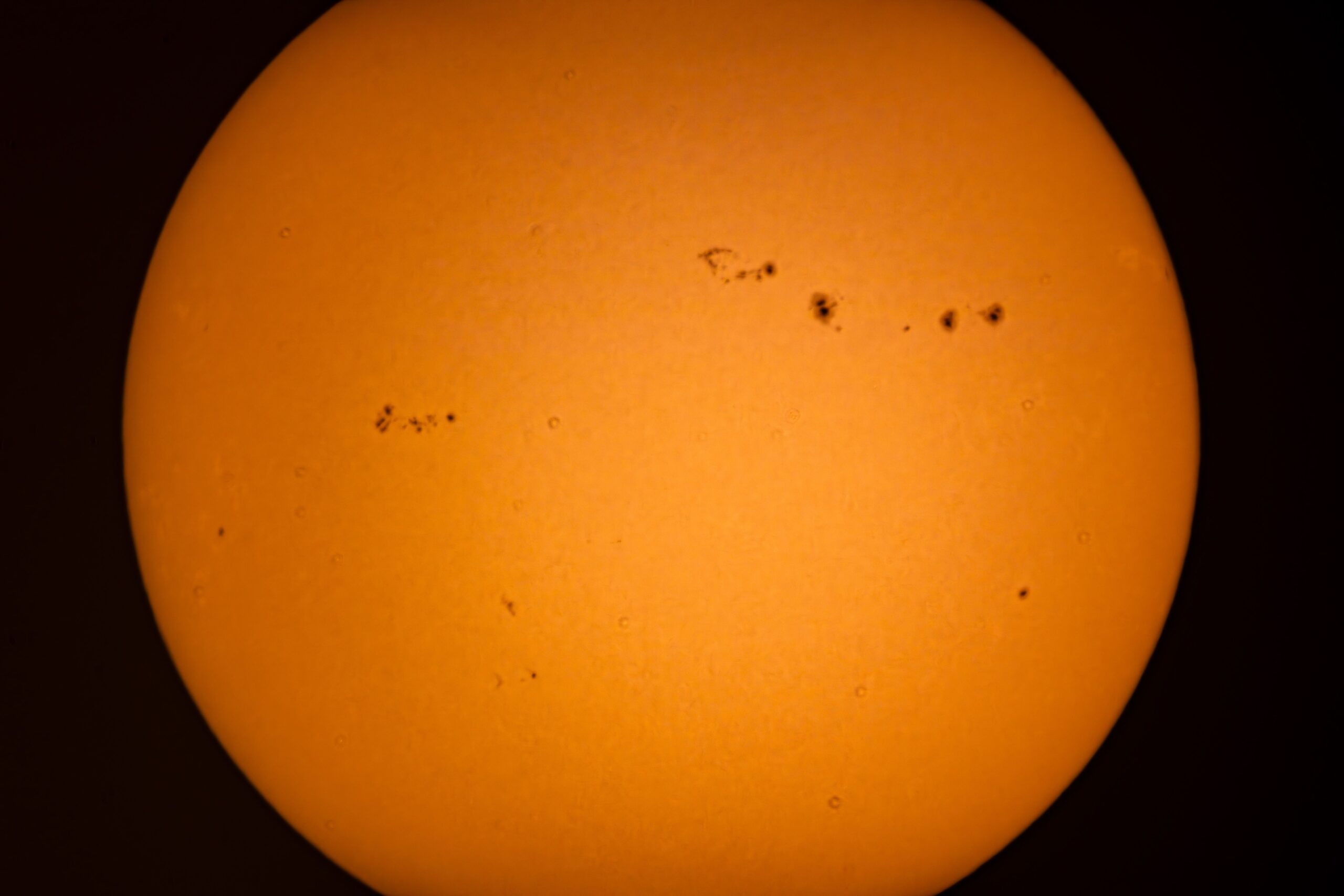
Recent history highlights the variability of such multi-CME events. In August, a G2 storm watch was issued for August 28 following several CMEs launched from sunspot region 4513, which also produced an M6.9 flare. In that instance, a high-speed solar wind stream from a coronal hole arrived ahead of the CMEs, creating a compound effect that increased geomagnetic activity. Similarly, in June, three CMEs launched on June 2 were expected to merge as they approached Earth, leading to G3 “strong” storm conditions. Forecasters noted that while the arrival of such events is highly confident, the intensity is often uncertain until the solar wind interacts with the magnetosphere. In the June event, the merging of the CMEs was a key factor in the sustained storm activity into the evening and overnight hours.
For observers, the primary recommendation is to monitor real-time space weather data. Because multiple CMEs are involved, forecast windows are not set in stone and may shift as new data becomes available. The strength of the geomagnetic response will be determined by the specific arrival time and magnetic orientation of the incoming solar material. If the conditions align, the aurora could reach farther south than the current G2 forecast implies, offering a rare opportunity for skywatchers in central and southern regions of the northern hemisphere.
NOAA continues to track the solar wind stream and the approaching CMEs. The next critical milestone is the direct impact of the leading CMEs with Earth’s magnetosphere, which is expected to occur within the forecast window for October 9. Subsequent updates will refine the probability and geographic extent of auroral visibility based on actual measurements of the interplanetary magnetic field and solar wind speed.