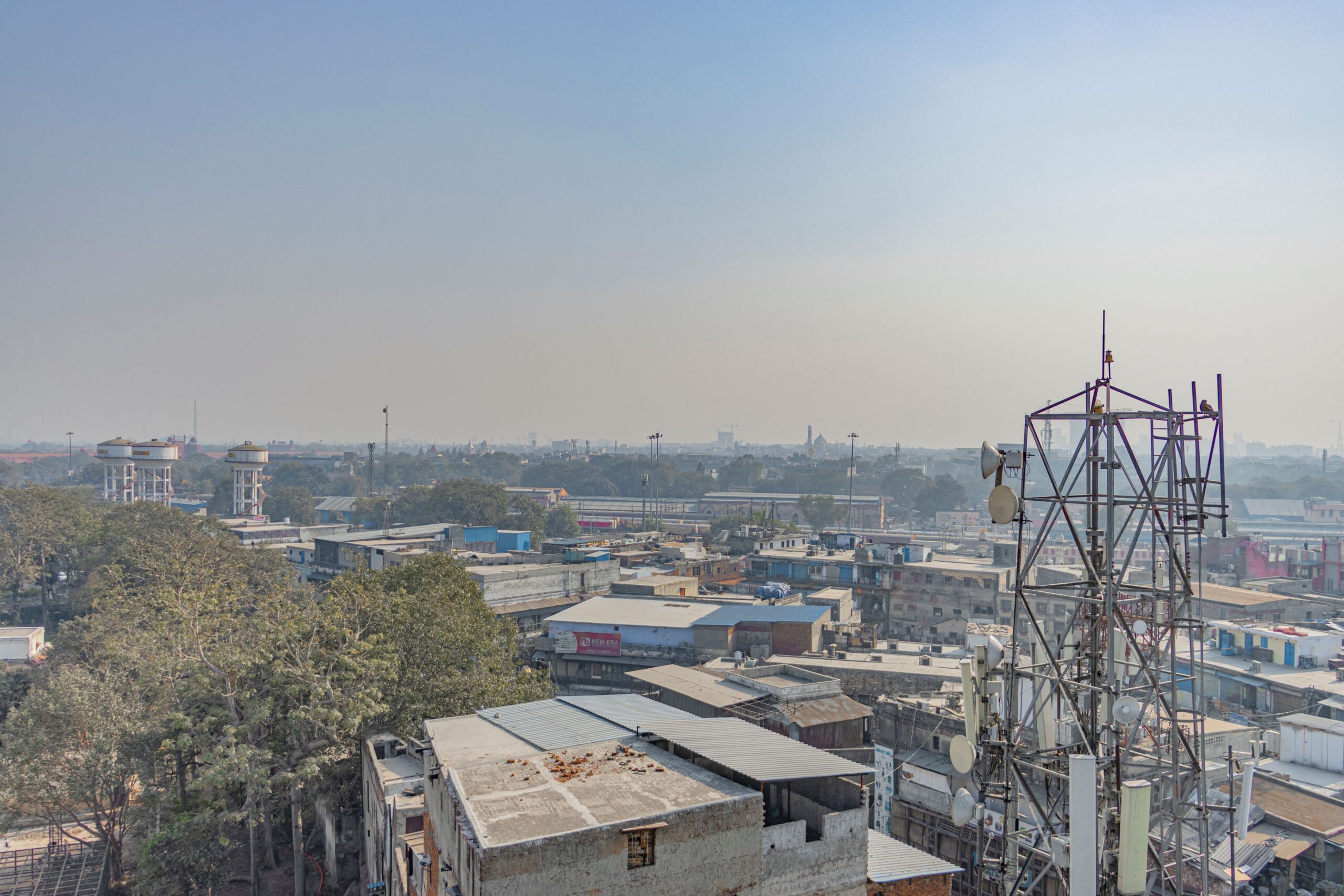
The comment marks a significant escalation in the high-stakes battle for India’s telecommunications market. For years, Starlink has sought approval to operate its low-Earth orbit (LEO) satellite broadband service in India, a market currently dominated by established players. The service promises high-speed internet connectivity via a network of satellites, a technology designed to bypass the need for extensive ground-based fiber optic infrastructure. This capability is particularly relevant in India, where rural and remote connectivity remains a persistent challenge despite massive urban digital growth.
Musk’s intervention personalizes what has largely been a regulatory and commercial dispute. By specifically referencing delays associated with Mukesh Ambani, the chairman of Reliance Industries, Musk has introduced a direct competitive narrative. Reliance is a dominant force in the Indian telecom sector, operating the massive Jio network. Ambani has historically advocated for strict regulatory frameworks to protect local investments and ensure fair competition, often expressing caution regarding the entry of disruptive foreign satellite providers. Musk’s public criticism suggests that he views the current pace of regulatory approval as unnecessarily protective of incumbent interests rather than conducive to market innovation.
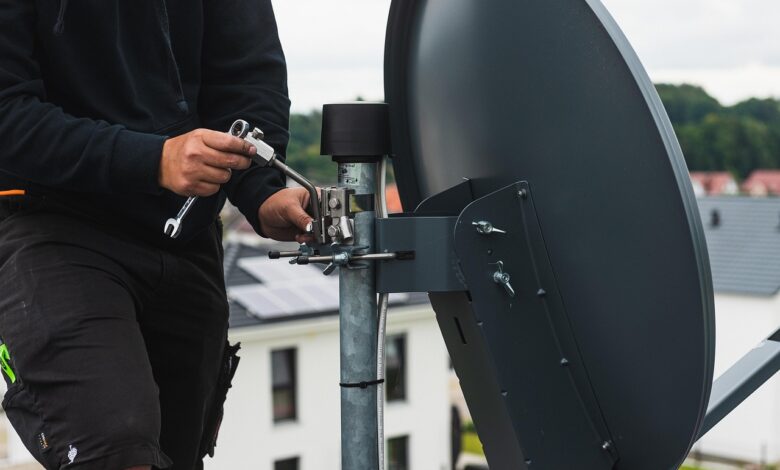
The technological premise of Starlink’s offering rests on its ability to deliver broadband internet from space. Unlike traditional geostationary satellites, which orbit at high altitudes and suffer from significant latency, Starlink’s constellation operates in low Earth orbit. This architectural difference allows for faster data transmission and lower latency, making the service viable for more than just basic web browsing, potentially extending to video conferencing, cloud computing, and other real-time applications. The hardware required on the user end is a small, flat panel antenna that automatically aligns with the overhead satellites, simplifying installation compared to traditional satellite dishes.
However, the path to market in India is fraught with technical and regulatory complexities. The Indian government has been cautious in approving new telecom licenses, particularly for satellite-based internet services, citing concerns over national security, spectrum management, and the economic viability of local telcos. The regulatory body, the Telecom Regulatory Authority of India (TRAI), has engaged in extensive consultations regarding the entry of non-terrestrial networks. These consultations aim to determine the conditions under which satellite operators can compete with terrestrial providers, including issues related to pricing, service quality, and infrastructure sharing.
Musk’s argument centers on the economic principle that competition drives innovation and lowers prices. He contends that the current monopoly or oligopoly structure in the Indian telecom market limits the options available to consumers, particularly those in underserved regions. By introducing Starlink, he suggests, the market would be forced to improve service quality and reduce costs, ultimately benefiting the “average citizen.” This narrative contrasts with the perspective of incumbent operators, who argue that the high capital expenditure required for satellite infrastructure could lead to predatory pricing strategies that destabilize the local market, or that the technology is not yet fully suited to the dense urban environments and specific frequency requirements of the Indian subcontinent.

The delay in Starlink’s launch has also raised questions about the broader implications for India’s digital sovereignty. As the country invests heavily in its digital public infrastructure, including the Account Aggregator framework and the Unified Payments Interface, the entry of a foreign-controlled satellite network introduces new variables regarding data localization and cybersecurity. The government must balance the desire for advanced connectivity with the need to maintain control over critical digital infrastructure.
As the regulatory process continues, the focus remains on whether the Indian authorities will grant the necessary licenses and under what conditions. Musk’s public pressure adds a layer of diplomatic and commercial tension to the proceedings. The outcome will not only determine the fate of Starlink in India but will also set a precedent for how other emerging markets regulate the convergence of satellite and terrestrial broadband services. For now, the “average citizen” remains the central figure in this debate, waiting for the resolution of a dispute that pits global technological ambition against local regulatory prudence.