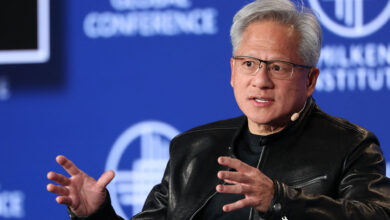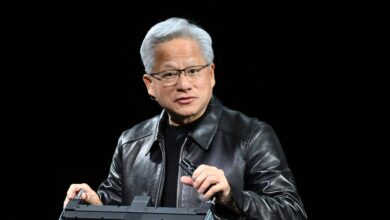

Huang has been actively engaged in high-stakes negotiations with the White House regarding the export of Nvidia’s most powerful microchips to China. Specifically, he has sought to persuade President Donald Trump to lift restrictions on the H200 chip, a top-tier processor essential for training frontier AI models. While export bans on less powerful chips have already been eased, the H200 remains under strict control. Huang argues that allowing China access to US hardware is not a zero-sum game, stating that the advance of human society benefits from shared technological progress.
In an interview with the BBC, Huang asserted that President Trump views the issue through the lens of American commercial victory rather than pure national security. Huang claimed that Trump is “clear-eyed” about the notion that computing technology is not primarily a national security concern. He argued that it is strategically better for the United States if the world, including China, becomes dependent on the “American tech stack,” with Nvidia chips at its core. Huang further reasoned that any competent military would build its capabilities on indigenous technology rather than relying on an adversary’s infrastructure.
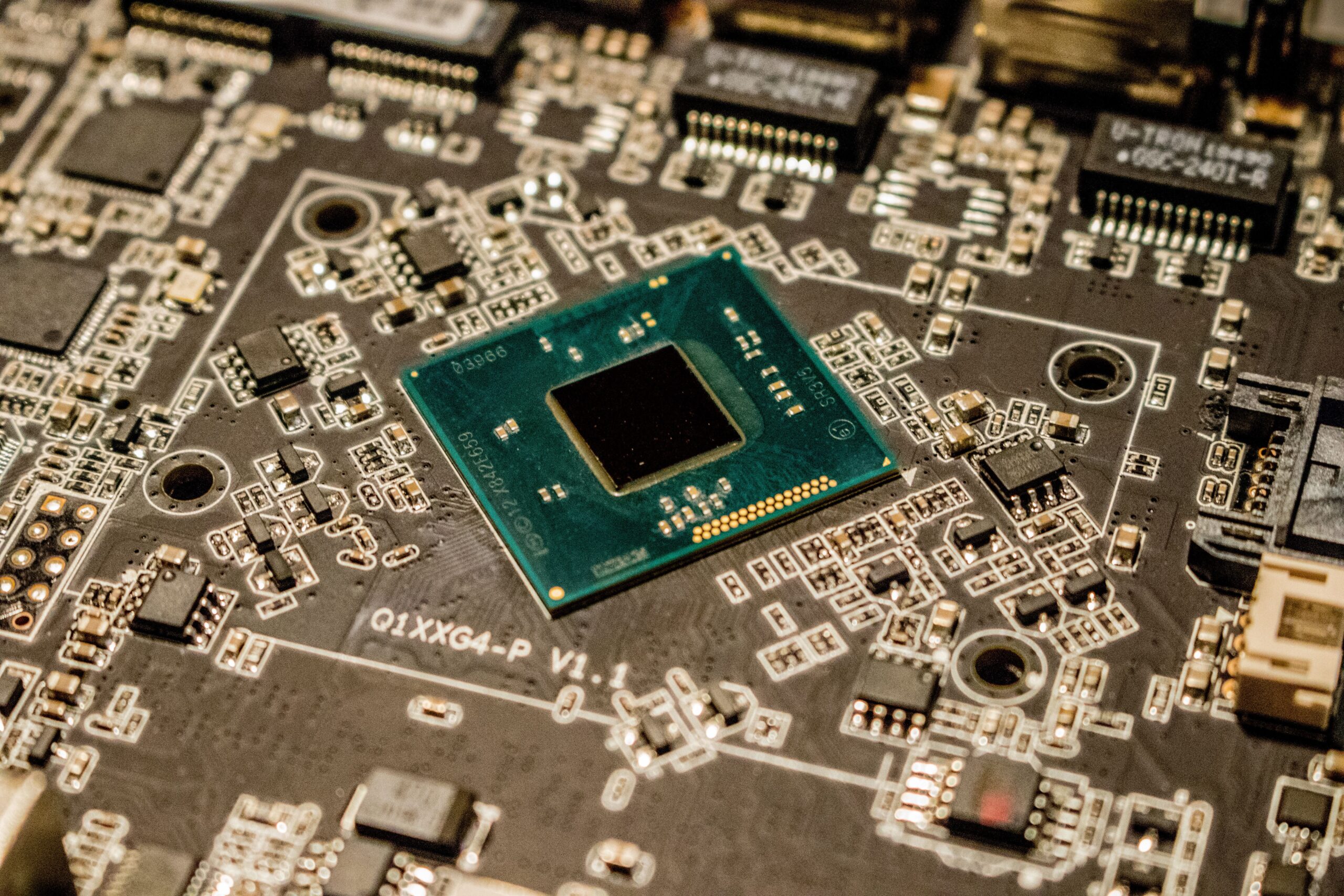
However, this perspective is sharply contested by national security experts who view the race for advanced AI as entirely zero-sum. Critics argue that the nation controlling the most powerful AI systems and chips will hold decisive advantages in scientific development, encryption-breaking, economic growth, and cyber-weapons. Consequently, holding back Chinese advancement is seen as a critical imperative for the West. The current investigation into Huang’s personal life is being examined in light of his public advocacy for loosening these export controls, raising questions about potential conflicts of interest or compromised loyalty.
Despite the political turmoil, Nvidia remains the epicenter of the global AI boom. The company is projected to generate approximately $400 billion in revenue this year, underpinning its status as a cornerstone of the US tech sector. The news of the FBI investigation triggered a 4% drop in Nvidia’s share value, reflecting investor concern over the new risks associated with the company’s geopolitical position. Nevertheless, the chipmaker’s market capitalization remains above $4 trillion, indicating that its fundamental business health is robust despite the headline risks.
The situation underscores the deepening entanglement of corporate strategy and state security in the AI era. Huang’s unique position, as an executive capable of engaging with both President Trump and Chinese leadership, amplifies the stakes of the ongoing investigation. As the US government evaluates the national security implications of advanced chip exports, the outcome of the probe into Huang’s alleged ties to a Chinese spy could influence future policy decisions on technology transfer and international trade restrictions.