

The technological significance of this governance turmoil cannot be understated. Nvidia is not merely a chip manufacturer; it is the primary supplier of the graphics processing units (GPUs) that power large language models and data centers worldwide. Its market position is so central that any disruption in its leadership or operational stability creates immediate ripple effects across the broader technology ecosystem. The slide in stock prices on both November 9 and November 11 reflects investor anxiety over the continuity of the company’s strategic direction. In the high-stakes world of semiconductor design, where development cycles are long and capital expenditure is massive, leadership continuity is often viewed as a surrogate for technical and commercial reliability.
The sources indicate a specific timeline for these events. On November 9, 2026, the news cycle focused on the opening of the probe. This action suggests that the board or internal compliance teams identified issues requiring formal scrutiny. By November 11, the situation had escalated from an investigative procedure to a potential personnel action, with the board weighing the ousting of the CEO. While the provided sources do not detail the specific allegations triggering the probe or the precise performance metrics cited by the board, the temporal proximity of the two events implies a direct causal link. The investigation appears to have provided the factual basis for the board’s consideration of executive removal.
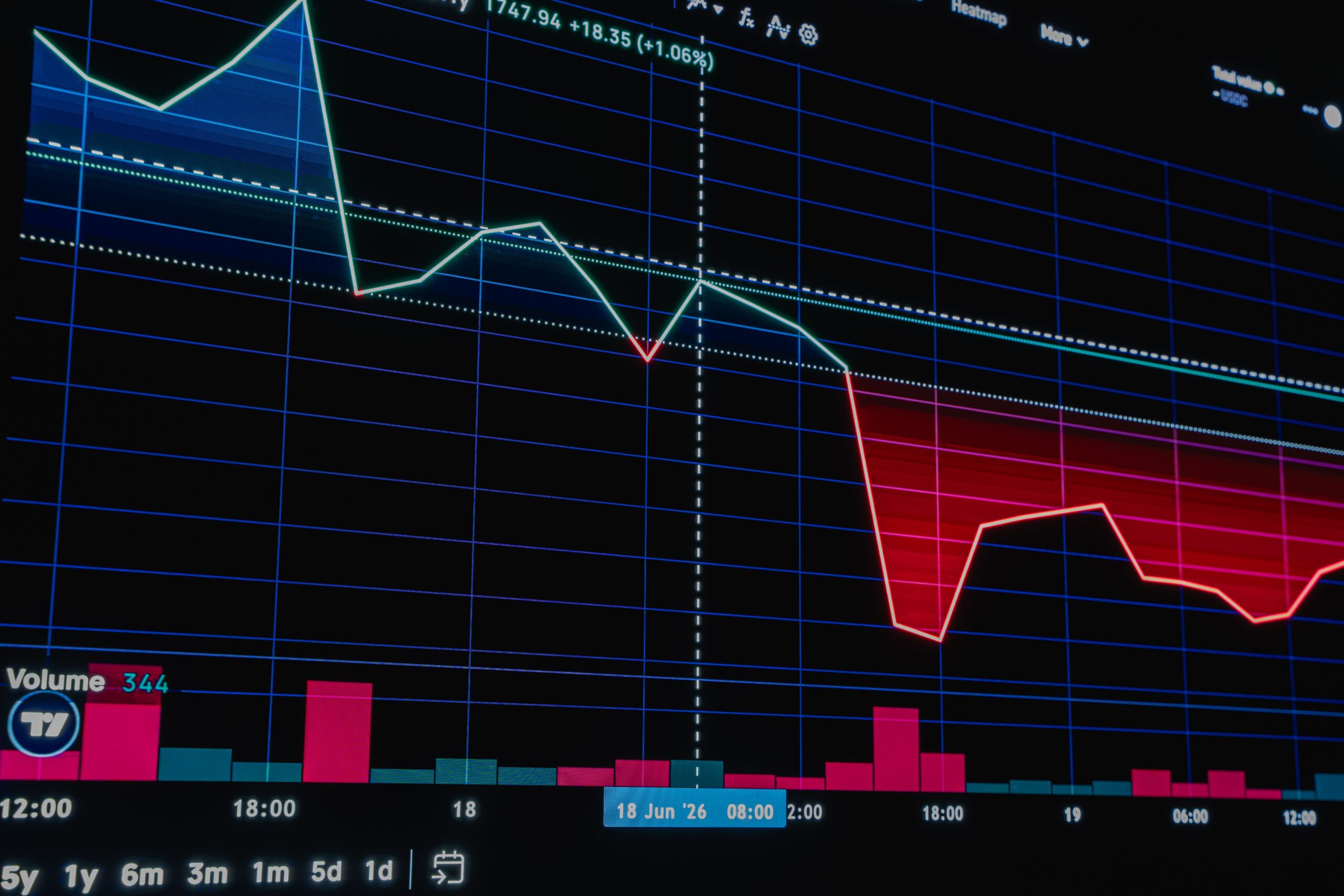
From a commercial perspective, this development introduces uncertainty into a market that has been driven largely by the demand for AI hardware. Investors typically favor stability in the leadership of companies with significant market capitalization, particularly when those companies are at the forefront of a technological paradigm shift. The stock slide observed on November 9 and continued on November 11 serves as a market correction in response to this perceived governance risk. It is important to distinguish between the company’s underlying technology and its corporate management. The GPUs and software ecosystems developed by Nvidia remain unchanged by this board-level decision. However, the market’s reaction highlights how tightly coupled the valuation of such a firm is to confidence in its executive team.
Technical and commercial limitations in the current reporting stem from the lack of detailed disclosure in the source materials. There is no public information provided regarding the specific scope of the probe, the identity of the individuals involved, or the performance benchmarks that may have prompted the board’s review. Consequently, the article must remain focused on the verified events: the opening of the probe and the board’s consideration of CEO removal. There is no evidence in the provided text to suggest that the company’s products, supply chain, or customer relationships have been directly impaired by the investigation itself, although the financial markets have reacted negatively to the uncertainty.
The impact on users, developers, and businesses is currently indirect. For enterprises relying on Nvidia’s hardware, the immediate availability of products and technical support is not described as being affected in the source material. However, long-term strategic partnerships may be subject to review if leadership changes occur. For developers, the stability of the software stack and the company’s commitment to open standards are not explicitly threatened by the reported governance actions. The primary impact remains financial and reputational, concentrated among shareholders and analysts monitoring the company’s strategic trajectory.
Regulatory and privacy questions do not appear to be the central focus of this specific event, as the probe is described as an internal company matter rather than a government-led inquiry. However, any internal probe in a major technology firm often raises broader questions about corporate oversight and accountability. The board’s role in protecting shareholder interests and ensuring ethical management is being actively tested by this situation. The independence of the investigation is not specified in the sources, leaving open questions about how the process is being managed internally.
As of November 11, 2026, the situation remains in a state of deliberation. The board is “considering” the ousting of the CEO, a phrase that implies the decision has not yet been finalized. The stock market’s response on both November 9 and November 11 underscores the sensitivity of investors to governance shifts in the AI sector. The next confirmed development will likely hinge on the outcome of the internal probe and whether the board chooses to proceed with executive changes. Until then, the narrative remains one of cautious uncertainty, where the technical prowess of the company is overshadowed by questions regarding its human capital and corporate governance.



2 Comments