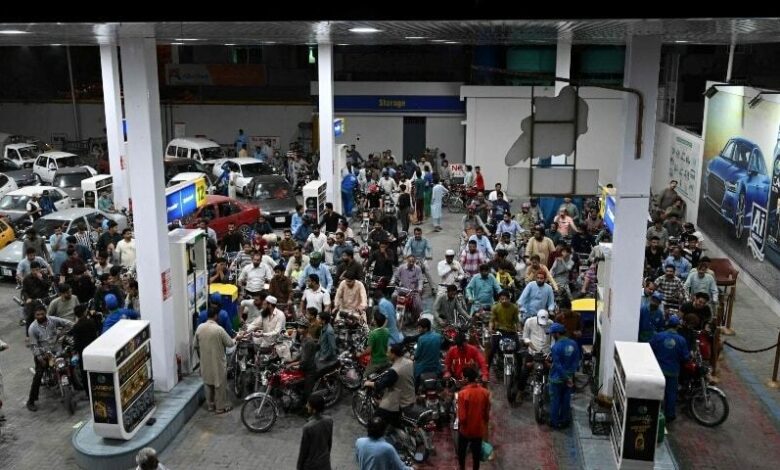
The price adjustment was notified by the Oil and Gas Regulatory Authority (Ogra), the body responsible for regulating the upstream and downstream sectors of the oil and gas industry in Pakistan. The changes do not alter the statutory fuel taxes and duties, which remain fixed at Rs114 per litre for petrol and Rs100 per litre for diesel. Instead, the reduction stems from a temporary administrative arrangement announced on November 2, which mandates that oil refineries absorb a combined contribution of Rs15 billion toward the petroleum levy over a 30-day period. This mechanism allows for a calculated reduction in the final price paid by consumers, specifically enabling a Rs14.71 reduction in the petrol price structure during this window.
This development highlights a recurring tension in Pakistan’s energy sector: the balance between fiscal revenue generation and the affordability of essential fuels. By directing refineries to absorb costs rather than adjusting the base tax rate or the government’s share of the levy, the authorities are leveraging the liquidity of the downstream sector to provide short-term relief. The Rs15 billion contribution is a substantial sum, representing a direct injection of cost absorption by the refining industry. In exchange, consumers see a lower price at the pump, while the government maintains its statutory tax intake. This approach differs from long-term structural reforms, serving instead as a temporary buffer against higher input costs.
The impact of these price changes extends beyond individual households to the operational costs of critical industries. Diesel, in particular, is a vital input for heavy transport, logistics, and power generation. With HSD prices falling by Rs7 per litre to Rs364, businesses relying on diesel for logistics and backup power generation may see a marginal decrease in operating expenses. This is significant for sectors where fuel constitutes a major portion of variable costs. Similarly, the reduction in petrol prices affects the mobility costs for private vehicles and light commercial transport, potentially influencing consumer spending patterns and transport inefficiencies in urban centers.
Despite the general price cuts, the government has maintained targeted assistance programs for specific vehicle categories. Vehicles with engines up to 800cc, including motorcycles and rickshaws, continue to receive specific support, recognizing the unique economic vulnerability of these operators. This tiered approach ensures that the most price-sensitive segments of the transport sector do not bear the full brunt of market fluctuations, even as the broader market adjusts. The distinction between general fuel prices and targeted subsidies reflects a policy effort to balance broad market stability with social protection for lower-income workers and consumers.

The reliability and security implications of this move are primarily economic rather than technical. There is no indication of supply disruptions, refinery shutdowns, or grid instability resulting from the price adjustment. The primary driver is fiscal management and consumer relief. However, the temporary nature of the arrangement—limited to a 30-day period—introduces an element of uncertainty. Stakeholders, including transport companies and power generators, must plan their operations with the knowledge that this specific price support may not be permanent. The success of this measure depends on the refineries’ ability to absorb the Rs15 billion cost without compromising their operational margins or investment plans for maintenance and upgrades.
As the new rates take effect, the energy market in Pakistan enters a period of observed stability. The reduced prices provide a brief respite for consumers and businesses, while the government and regulators monitor the fiscal impact on the refining sector. The next verified developments will likely focus on the sustainability of this temporary arrangement and any subsequent adjustments to fuel taxes or levies that may follow the expiration of the 30-day absorption period. For now, the lower numbers at the pump serve as a measurable indicator of a coordinated effort to manage energy costs in a volatile market environment.