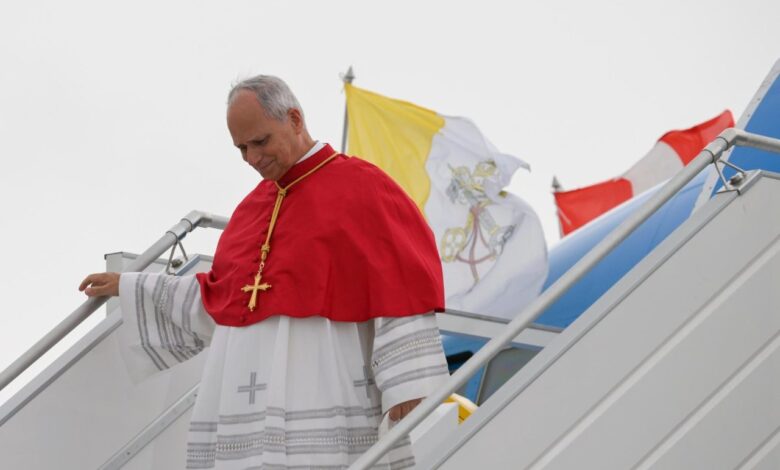
Leo, who holds both Peruvian and U.S. citizenship, is the first pope from either nation. His return to Peru is deeply personal; he served in the country for more than two decades as an Augustinian missionary priest and later as the Bishop of Chiclayo from 2015 to 2023. “Now I return as the successor of Peter, called to serve the universal church,” Leo stated upon arrival, contrasting this visit with his 2024 trip as Cardinal Robert Prevost, when he celebrated Mass to mark the 60th anniversary of the diocese where he first served. In his address to the crowds, he declared, “I am returning to my homeland,” a sentiment that resonated with an estimated three million people who lined the seven-mile route from the air base to the city center. The sheer scale of the crowd, which included police officers recording the convoy on their phones, underscored the unique position of the Catholic Church in Peruvian society.
The visit occurs against a backdrop of significant political and social fragility. Peru has experienced severe political volatility, having had nine presidents since July 2016, and homicide rates have nearly doubled in the past five years. President Fujimori, a newly elected right-wing leader, acknowledged this reality, stating that Peru must face the “unfinished task” of reconciliation following decades of insurgent violence, state abuses, and sharp political divisions. She noted that the country’s leaders have lost the trust of many citizens. In response, Pope Leo urged Peruvians to “cultivate honesty, integrity,” and to accept that “no one has all the answers.” His call for civic virtue appears to be a direct response to the widespread weariness with political institutions, a factor that may explain the massive public turnout for his visit despite a declining percentage of Catholics in the population, which has fallen from 76% to about 67% according to Pew data.
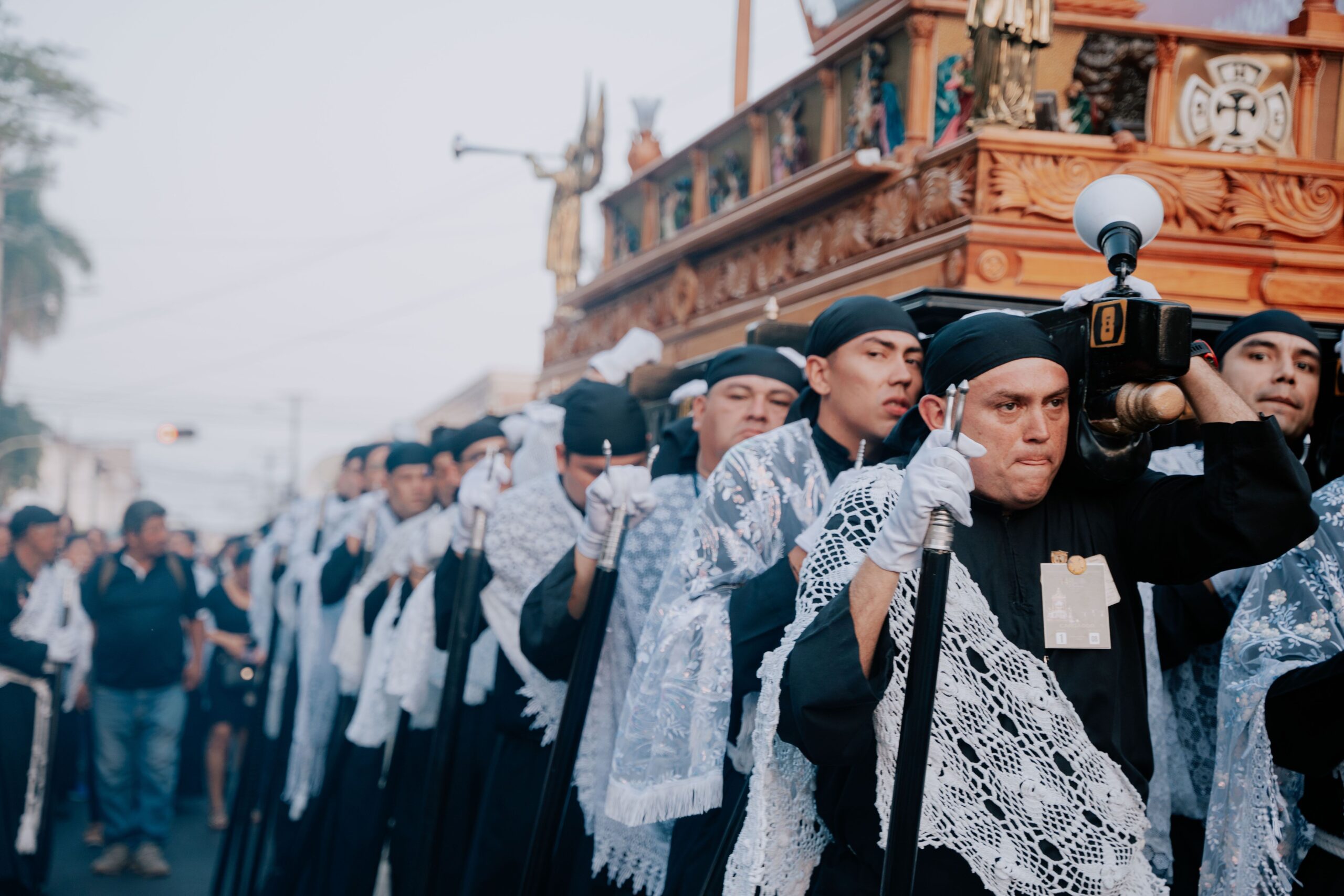
Beyond domestic politics, the Pope’s agenda addresses tangible vulnerabilities in the country’s infrastructure and environment. He called for stronger disaster prevention measures, highlighting the regular impact of El Niño-linked floods and landslides on Peruvian communities. This pragmatic appeal to safety and stability complements his broader message of “renewed fraternity,” a theme he emphasized during an interfaith meeting in Buenos Aires, Argentina, on November 9. At the Palacio San Martín, Leo addressed religious leaders from various traditions, including Latter-day Saint apostle Ulisses Soares, urging them to translate prayer into “concrete gestures of fraternity, justice and peace.” Soares noted that he was “especially touched by the pope’s expressions of respect for human dignity” and the desire to unite efforts to avoid wars.
The diplomatic and cultural dimensions of the Pope’s recent activities extend beyond South America. In a separate development that drew global media attention, Pope Leo met with musician Bob Dylan at the Vatican on November 4. The encounter, brokered by Jesuit priest Antonio Spadaro, was overshadowed by media focus on Dylan’s attire, though Spadaro argued that the interaction was a “small parable” regarding the weight of words. The Pope had previously quoted Dylan’s unpublished 1963 work, “Go Away You Bomb,” in the preface of his 2026 book, Disarmed and Disarming: Peace Is a Gift, in which Dylan wrote to the bomb: “I hate you cause yer man-made and man-owned, an’ man-handled.” This intellectual and artistic engagement reflects a broader papal strategy of engaging with contemporary culture to promote peace, a message that now travels with him into the Amazonian regions of Peru.
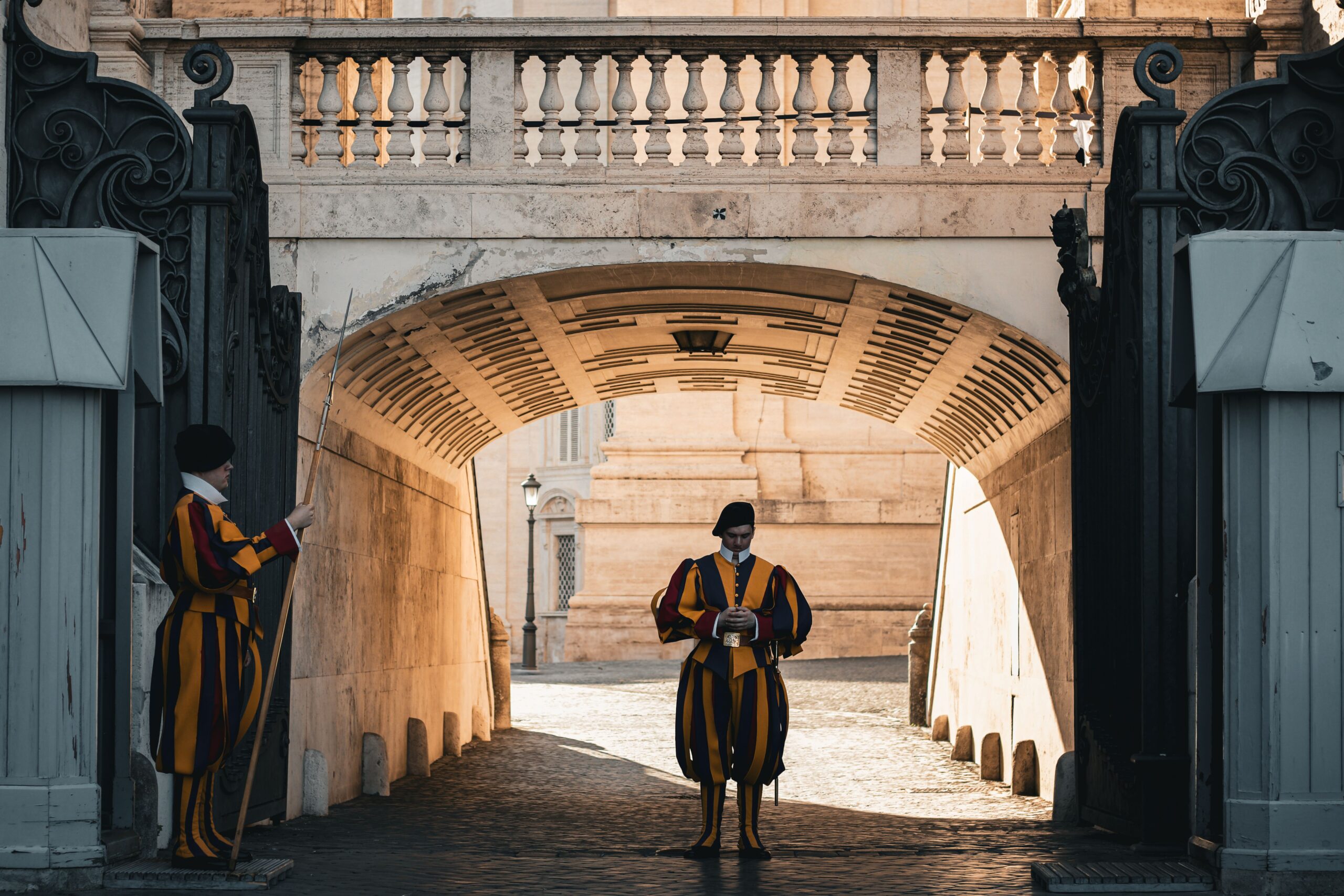
During his six days in Peru, Leo’s schedule is physically demanding, including a trip to Cusco at an altitude of 3,700 meters (12,140 feet). This journey is considered risky given that the Pope had part of a lung removed in mid-October due to a malignant tumor. Despite this, his itinerary includes a return to Chiclayo on Friday to celebrate Mass, meetings with bishops in Lima, and engagements with missionaries and representatives of Amazonian peoples in Pucallpa. The visit concludes on November 16 with Mass at Las Palmas Air Base in Lima before his departure for Rome on November 17.
As the Pope moves from the Presidential Palace to the Grand National Theatre for his address to civil society and the diplomatic corps, the contrast between the enduring credibility of the Church and the fractured state of Peruvian politics remains stark. Theologian Veronique Lecaros noted that the Catholic Church remains more credible than any other Peruvian institution, a status that has likely fueled the massive public engagement. For now, the focus remains on the “homeland” the Pope re-enters, a place where his personal history and the nation’s unresolved political challenges intersect, leaving the question of whether his call for integrity will find traction in a weary populace remains the central tension of his visit.