The approved shipments were destined for major Chinese technology and automotive firms, all of which appear on the US Department of Defense’s list of companies with alleged military links. The breakdown includes 75,000 chips for Alibaba, 150,000 for Tencent, 43,000 for Baidu, and 4,000 for electric vehicle manufacturer BYD. The hardware involved includes Nvidia’s H200 processors and AMD’s MI325X models. While companies sought approval for over 3.4 million chips during this period, it remains unclear how many of the authorised licences resulted in actual physical deliveries. In July, Commerce Department official Jeffrey Kessler testified that shipments had begun but remained “very few,” while a subsequent Reuters report indicated that several major Chinese internet companies had each secured around 10,000 H200 chips.
The disclosure intensifies scrutiny of Washington’s export policy, particularly after the Trump administration reversed previous restrictions by allowing Nvidia to export H200 chips to China in December. Chris McGuire, an expert on US-China technology competition, questioned the national security implications, noting that more than 30 per cent of the cleared chips were destined for firms identified as having military links. He argued that the figures raise concerns about whether adequate national security reviews were conducted. Nvidia stated that the approvals came with “strict conditions and limited volumes,” adding that it has since stopped shipping H200 chips to China. AMD confirmed its compliance with applicable US export control laws.

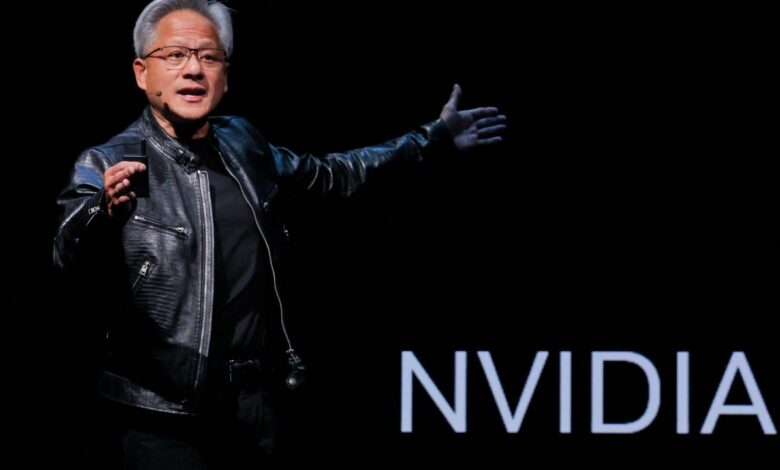
Simultaneously, California Attorney General Rob Bonta has served an investigative subpoena on Nvidia, probing whether the company or its former CEO, Jensen Huang, misled investors or the public regarding China’s access to advanced chips or confidential information. The legal action follows reports that Huang had an extramarital relationship with Alice Huang, an executive at Singapore-based data centre company Megaspeed, who is suspected of being a Chinese spy. Megaspeed, a major Nvidia customer, has denied allegations that it diverted chips to China, stating that reports are “not supported by verifiable evidence.” Since the New York Times reported on the affair in early November, Nvidia shares have plummeted 22 per cent. The company’s board chair, Harvey Jones, confirmed that Nvidia has no intention of reinstating Huang, who left the company last week.