
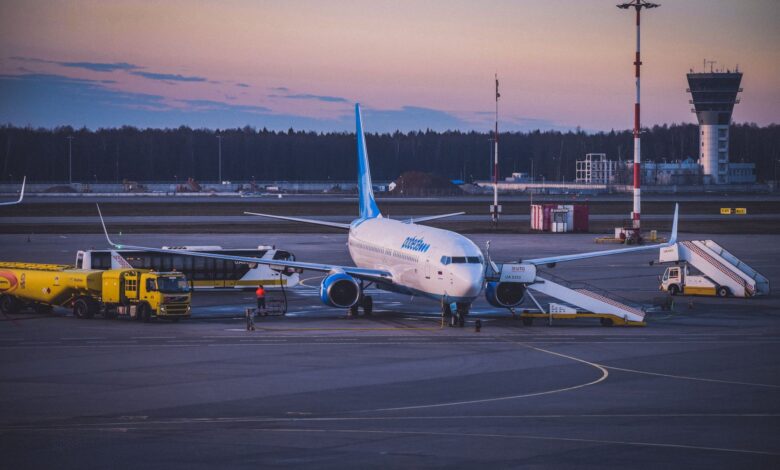
The initial delay was caused by the unavailability of Jet A1 fuel at the capital’s main airport, a scarcity that affected not only Air Peace but also other carriers operating from NAIA. Once fuel became available, affected flights began to resume operations. However, the Abuja-Maiduguri service encountered further complications. The control tower at Maiduguri Airport initially authorized the aircraft’s arrival after sunset, granting an extension to the flight. By the time passengers were called for boarding, air traffic controllers informed the airline that the airport had reverted to Visual Flight Rules (VFR). Under these conditions, which require pilots to operate based on visual conditions rather than instrument procedures, landings are no longer permitted after sunset. Consequently, the airline determined it could not operate the flight as planned and cancelled the service.
Air Peace stated that it provided affected passengers with refreshments and snacks during the wait. Following the cancellation, the airline offered hotel accommodation to stranded travelers and arranged for the flight to operate the following day. In a statement, the carrier expressed regret for the inconvenience, emphasizing that safety and passenger wellbeing remained its priority over operational expediency. The airline noted that the decision to cancel was made because the extension for post-sunset arrival was no longer tenable under the prevailing VFR conditions.
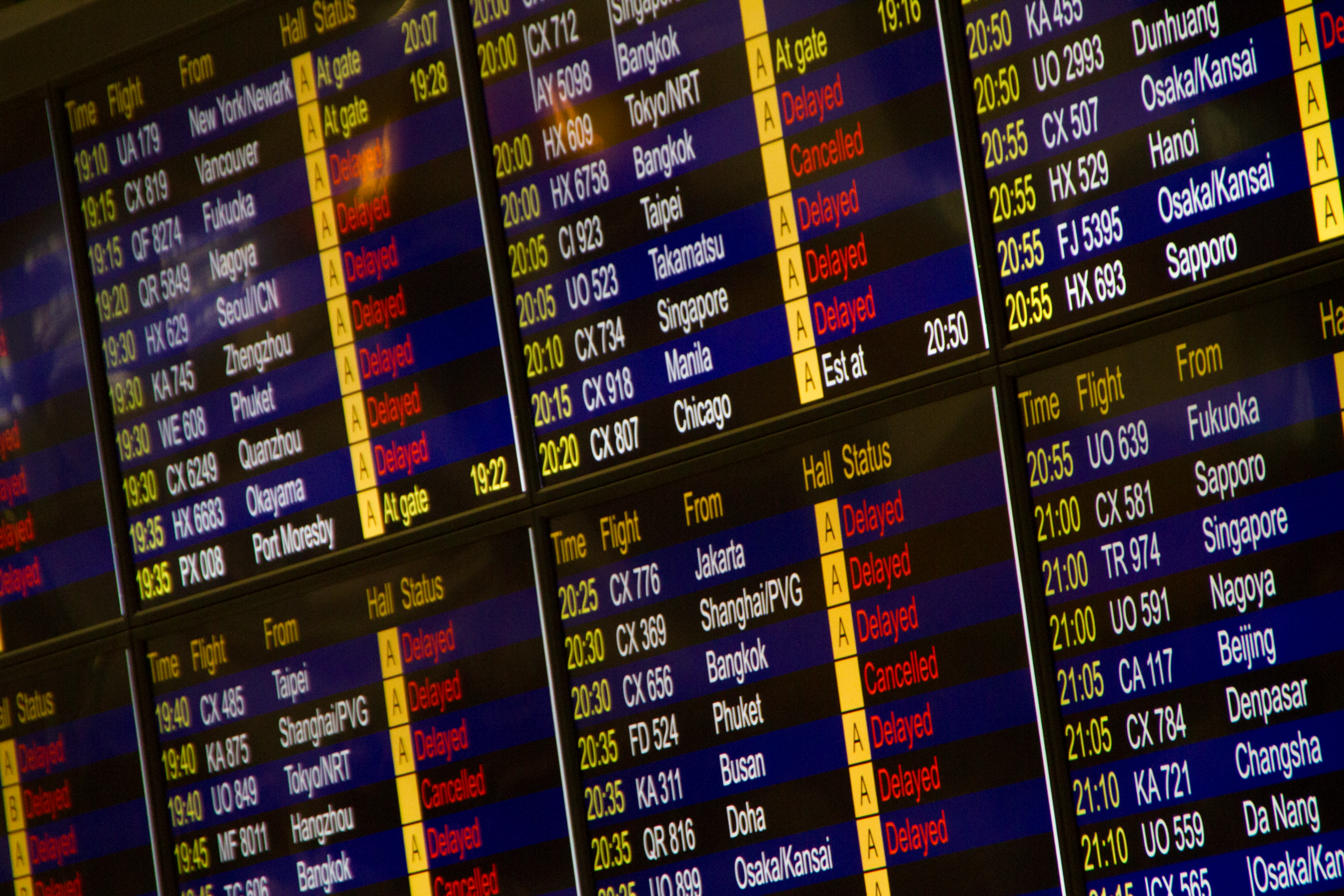
The incident has intensified public and regulatory scrutiny of chronic delays and cancellations within Nigeria’s domestic aviation industry. This disruption follows a similar episode barely a week prior, where aviation fuel shortages and sunset restrictions at regional airports led to the cancellation of several flights, including an 8 p.m. service to Lagos. During that earlier incident, hundreds of passengers reported being left without immediate alternatives, with some reportedly barricading the terminal entrance in protest.
Regulatory data highlights the scale of the ongoing operational challenges. The Nigerian Civil Aviation Authority (NCAA) recorded 7,961 domestic flights in August, of which 4,765 were delayed and 36 were cancelled. The regulator’s report singled out Air Peace, attributing 1,330 of the delayed flights to the carrier out of 1,864 total operations recorded in the data. The NCAA has urged the airline to improve its domestic operations following complaints about what the regulator described as chronic delays and cancellations.
Air Peace has disputed the regulator’s figures. The airline stated that it actually operated 2,564 flights in August, arguing that more than 700 flights were omitted from the NCAA’s statistics. The carrier further contended that only 391 of its delays were caused by factors within its own operational control. This disagreement over data compilation has added a layer of complexity to the debate over responsibility for the sector’s persistent reliability issues.
The problem of flight disruptions is not new to Nigeria’s aviation sector. In the first quarter of 2017, Air Peace operated 3,262 flights, with 2,036 recorded as delayed. At the time, the airline’s chairman attributed these delays to a combination of weather, technical problems, and inadequate airport infrastructure. Eight years later, the recurrence of similar disruptions suggests that underlying infrastructural and logistical challenges remain unresolved. The NCAA continues to monitor domestic airline performance, with the recent data indicating that nearly 60% of all domestic flights in August experienced delays.