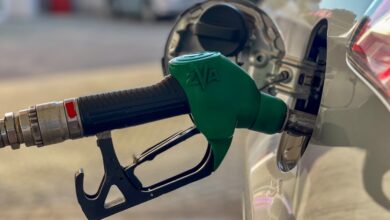

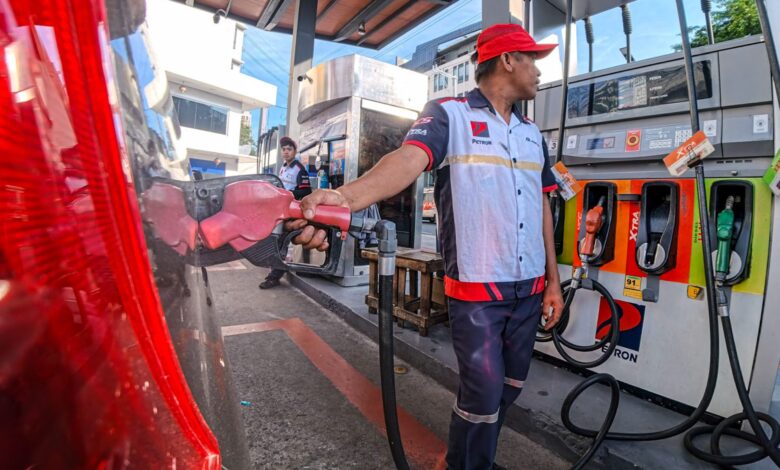
For the upcoming week, diesel prices will drop by P7.57 per liter, kerosene by P5.85 per liter, and gasoline by P0.24 per liter. This rollback follows a period of intense price volatility, with the previous week alone seeing gasoline rise by P4.88 per liter, diesel by P8.82 per liter, and kerosene by P6.47 per liter. The recent price relief is attributed to improving global oil markets, fueled by renewed hopes for diplomatic solutions involving the United States and Iran during the United Nations General Assembly meeting.
Despite the immediate price cuts, local pump prices remain well above the levels observed before the conflict between Iran and US-Israeli forces began on February 28. According to Department of Energy data from the last full week prior to that conflict, common retail prices in Metro Manila were P56 per liter for gasoline RON95, P54.70 per liter for gasoline RON91, P55 per liter for diesel, and P83.47 per liter for kerosene. Current prices, even after the latest adjustments, exceed these benchmarks, reflecting the structural impact of the ongoing energy crisis on domestic supply costs.
Concurrent with the pump price rollback, President Ferdinand Marcos Jr. issued an order on September 25 to fully suspend excise taxes on liquefied petroleum gas (LPG) and kerosene. This measure is designed to cushion consumers from high energy costs and may last for up to three months, subject to regular review by the Development Budget Coordination Committee and the Department of Energy. Notably, the suspension does not extend to gasoline or diesel. The government had previously suspended these taxes earlier in the year but restored them in July after the one-month average Dubai crude price fell below $80 per barrel. The current suspension indicates a renewed focus on protecting household budgets for essential cooking and heating fuels, which are more price-sensitive for lower-income households compared to motor fuels.
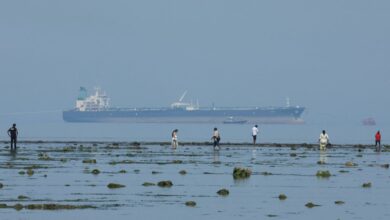
Geopolitical risks in the Middle East continue to underpin global crude and refined product prices. Shipping traffic through the Strait of Hormuz, a critical waterway between Iran and Oman and one of the world’s most important oil routes, remains lower than average. Additionally, attacks by Yemen’s Houthis pose ongoing threats to Saudi energy infrastructure and Red Sea shipping lanes. However, spots of optimism have emerged, including Iran’s expressed willingness to negotiate terms for the Strait of Hormuz’s reopening and Saudi Arabia’s restoration of its East-West oil pipeline. These developments have contributed to the recent dip in crude oil prices, which directly influences the Philippine market’s week-on-week adjustments.
Transport Sector Strain and Policy Debates
The extended nature of the oil crisis has placed significant pressure on the public transport sector. On September 28, the Department of Transportation (DOTr) and the Land Transportation Franchising and Regulatory Board (LTFRB) lifted the suspension on fare adjustments. This decision addresses concerns that rising operational costs due to high fuel prices have made public transport services unsustainable without corresponding fare increases. Transport groups, including Manibela and Piston, are continuing to push for further government action, with planned rallies this week calling for the removal of value-added and excise taxes on gasoline and diesel.
President Marcos Jr. holds the authority to cancel these taxes, a power granted at the onset of the crisis. However, the Department of Finance has advised against such a measure, citing the substantial revenue loss—amounting to billions of pesos—that would result from suspending fuel taxes. This creates a policy tension between immediate consumer relief and long-term fiscal stability. While the current excise tax suspension on LPG and kerosene offers targeted relief, the broader debate over fuel taxation for motor vehicles remains unresolved, with industry groups advocating for a more comprehensive tax holiday to stabilize the transport sector.
The next critical milestone for the Philippine energy market will be the assessment of the LPG and kerosene tax suspension’s impact on household spending and the subsequent review by the Development Budget Coordination Committee. Additionally, the market will closely monitor developments in the Strait of Hormuz and Saudi Arabia’s pipeline operations, as any further disruptions or diplomatic breakthroughs will likely dictate the direction of global crude prices and, consequently, local pump prices in the coming weeks.