


Geopolitical Pivot Points to Supply Security
The Strait of Hormuz remains the most critical chokepoint for global energy supply, serving as the primary transit route for approximately one-fifth of the world’s daily oil consumption. When the strait is closed or its operations are severely restricted, the immediate consequence is not just a logistical hurdle but a structural shift in global supply chains. The rejection of the Iranian proposal signals a dead end in diplomatic efforts to normalize safety and navigation in the region, forcing energy markets to price in a higher probability of sustained disruption.
The move by the U.S. administration to dismiss the peace proposal has removed a key de-escalation factor that had previously offered a glimmer of stability to traders. With the prospect of a resumption of war now dominating the narrative, the risk premium embedded in crude oil contracts has expanded significantly. This is not merely a speculative reaction; it reflects a fundamental reassessment of the safety of tanker routes through one of the world’s most strategically vital waterways.
Market Mechanics and Price Discovery
The 4% surge in oil prices highlights the sensitivity of the market to geopolitical headlines in the Middle East. When supply risks from major producers or key transit routes increase, the available global inventory buffer is effectively reduced in the eyes of traders. This scarcity premium drives spot and futures prices upward, as buyers scramble to secure supply before potential disruptions materialize. The threshold of $108 per barrel is a significant psychological and economic barrier, often associated with periods of high inflationary pressure and tightened monetary policy in major economies.
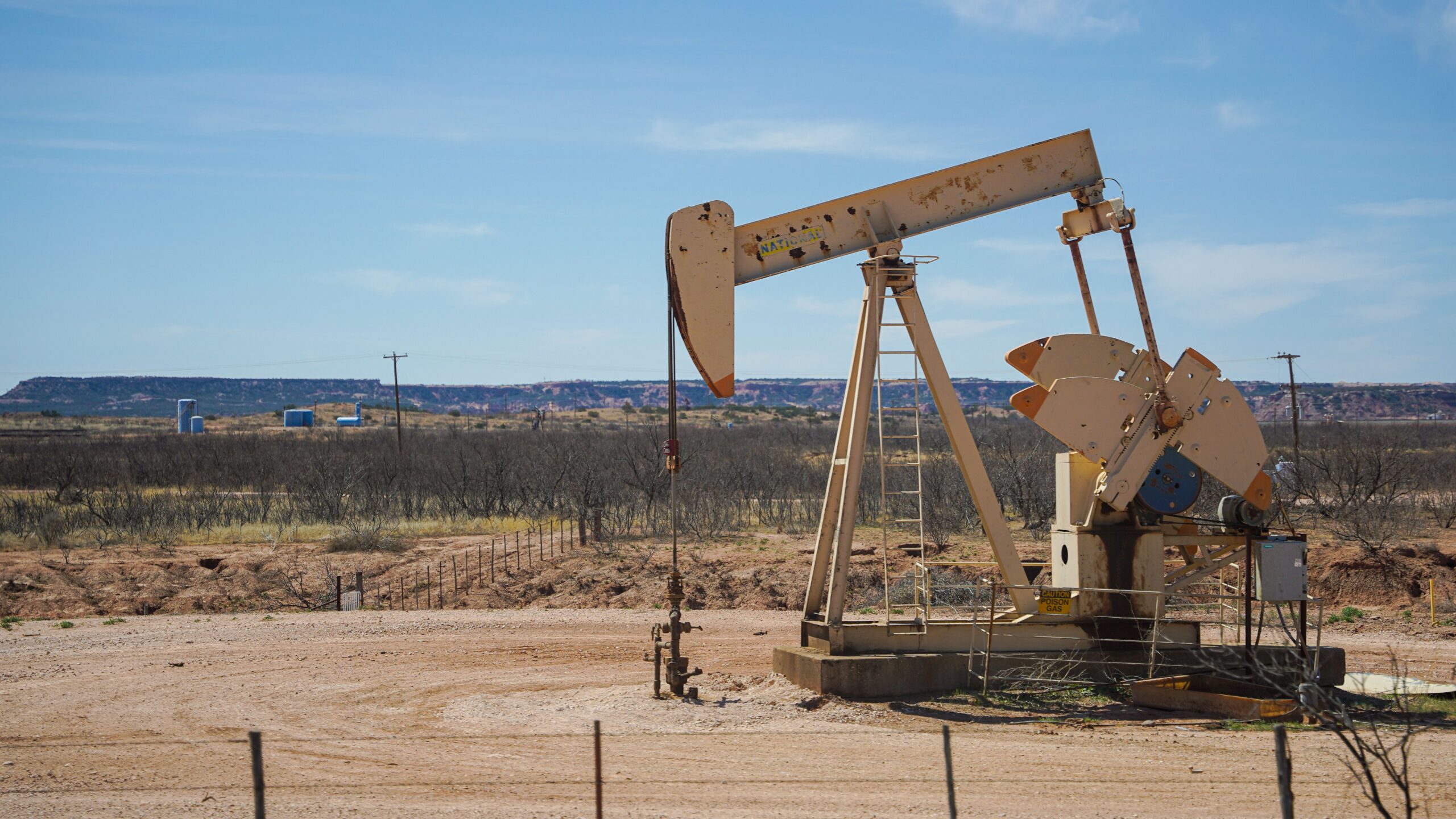
It is important to distinguish between the immediate spot price reaction and the longer-term structural implications. While the current spike is driven by the acute risk of war and the closure of the Strait of Hormuz, sustained prices at this level would have profound effects on global trade, transportation costs, and consumer energy bills. The market is currently pricing in the fear of a “resumption” of conflict, implying that previous hostilities had temporarily ceased or been contained, but that the underlying drivers remain unresolved.
Implications for Global Energy Security
The rejection of the Iranian proposal underscores the fragility of energy security in the Middle East. For global buyers, the uncertainty surrounding the status of the Strait of Hormuz complicates hedging strategies and long-term procurement planning. Companies and governments may be forced to accelerate the diversification of their supply sources, potentially increasing demand for alternative routes, such as pipelines that bypass the strait, or for non-Gulf oil and gas supplies. However, such structural changes take time to implement, leaving the immediate market vulnerable to further shocks should tensions escalate further.
The situation also raises questions about the effectiveness of diplomatic channels in managing energy markets. The dismissal of the peace talks suggests that military or strategic deterrence may be viewed as the primary tool for ensuring regional stability, at least in the short term. This approach carries inherent risks, as any miscalculation could lead to a direct confrontation, further tightening the supply squeeze.
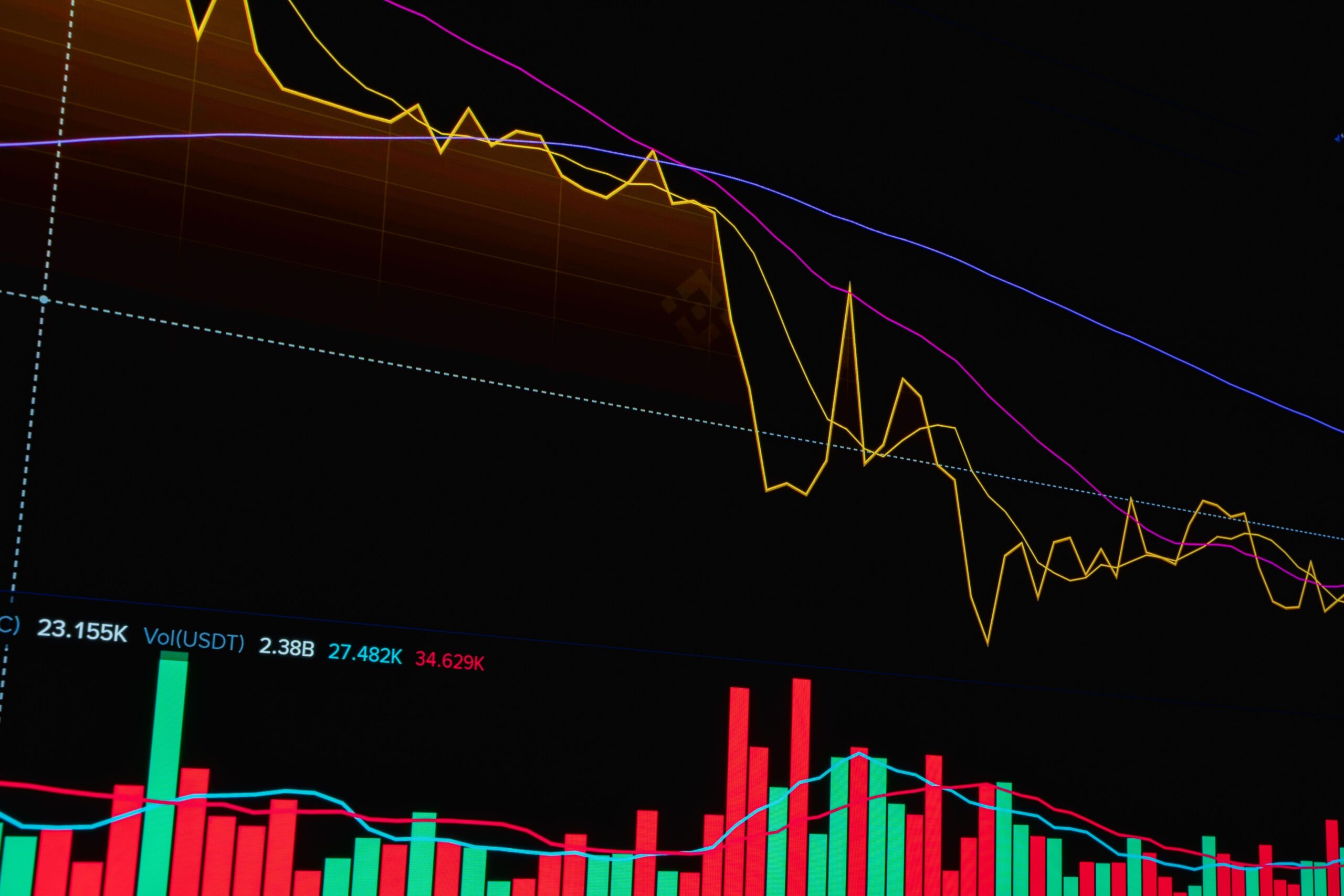
As the situation evolves, the focus will remain on the physical status of the Strait of Hormuz and any subsequent statements from both Washington and Tehran. The market will continue to monitor for signs of actual tanker traffic disruptions or military deployments in the region, which would provide concrete data to either confirm or refute the fears currently driving prices higher. The next few days will be critical in determining whether this price spike is a temporary reaction to diplomatic failure or the beginning of a sustained period of elevated energy costs.
With the peace proposal rejected, the window for de-escalation has narrowed significantly. The energy market is now bracing for the possibility of renewed conflict, with the $108-per-barrel mark serving as a stark indicator of the economic stakes involved in maintaining peace in the world’s most important oil transit route.