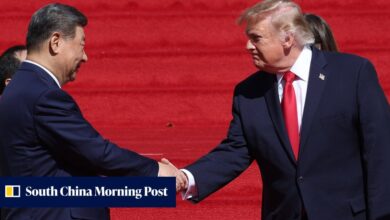

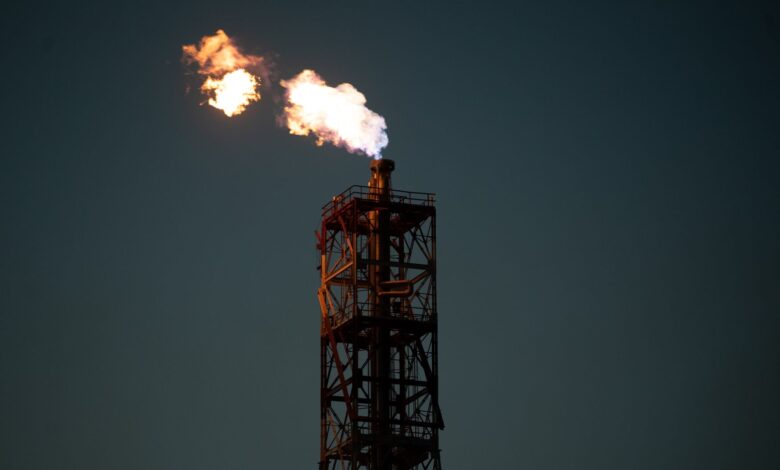
The market reaction followed a direct diplomatic development: President Donald Trump’s rejection of an Iranian proposal intended to establish a ceasefire and reopen the Strait. This decision has locked the United States and Iran back into a stalemate regarding the conditions for restoring maritime transit. The Strait of Hormuz is not merely a geographic passage; it is a vital artery for global oil and gas transport. Its closure continues to exert pressure on supply chains, forcing markets to price in the risk of prolonged disruption.
The implications of this diplomatic breakdown extended beyond the energy sector, rippling through broader financial markets. The Dow Jones Industrial Average fell on Monday, reflecting investor anxiety over the renewed geopolitical friction. Simultaneously, Treasury yields jumped, a typical safe-haven response when investors perceive increased economic uncertainty or inflationary risks stemming from higher energy costs. Oil prices also surged in tandem with gas, as traders reassessed the available supply of crude and refined products in the face of restricted shipping lanes.

While the U.S. position is clear, the Iranian response has been characterized by a lag in official communication. Abbas Araqchi, an Iranian official, stated that Iranian authorities had not yet received an official U.S. rejection of the proposal from the mediators. This discrepancy highlights the fragmented nature of the current negotiations. While the U.S. has publicly declared the deal dead, the lack of a formalized communication channel between the two sides through their mediators creates ambiguity. For market participants, this ambiguity is a source of volatility, as the precise timeline for any potential future engagement remains opaque.
The economic significance of the Strait’s closure is profound. When the passage is open, it facilitates the movement of a significant portion of the world’s seaborne oil and LNG. Its closure forces shipments to take longer routes or rely on alternative, often more expensive, supply sources. This dynamic is directly contributing to the price increases observed in European gas markets. The 2% rise on Monday, following a 9% drop the previous week, illustrates the extreme sensitivity of energy prices to geopolitical headlines. Such volatility makes it difficult for businesses and households to plan for energy costs, potentially feeding into broader inflationary pressures if the situation persists.

Investors are now watching for any signs of further diplomatic movement or, conversely, escalation. The rejection of the ceasefire deal removes the immediate prospect of a quick resolution. Without a formal agreement to reopen the Strait, the risk premium embedded in energy prices is likely to remain elevated. The interplay between falling stock indices, rising bond yields, and soaring commodity prices paints a picture of an economy bracing for the impact of sustained supply constraints. As the mediators continue their efforts, the gap between the U.S. public stance and the Iranian internal understanding of the proposal’s status remains a critical variable. Until that gap is bridged, the energy markets will likely remain volatile, reacting sharply to every diplomatic cue regarding the fate of the Strait of Hormuz.