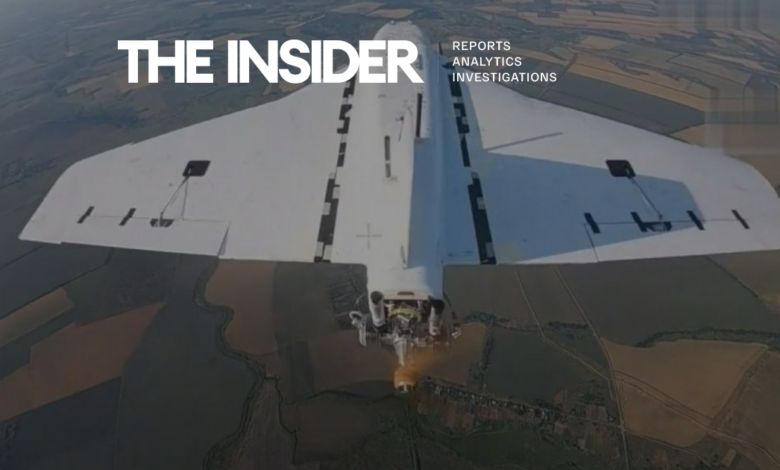
The specific platform identified in the intelligence assessment is the Gerbera, a Russian unmanned aircraft frequently employed as a decoy or for limited strikes. The drone has a maximum takeoff weight of approximately 18 kilograms, a reported operational range of up to 600 kilometers, and a cruising speed of around 160 kilometers per hour. While its warhead, estimated at four to five kilograms, lacks the destructive power to demolish major heavy infrastructure, authorities assess that it possesses sufficient capability to ignite fires, damage exposed equipment, or temporarily shut down critical nodes such as ports or airports.
“They will use drones launched from the sea, hidden in the container of a ship; it’s not difficult at all,” a source close to Lithuania’s Defense Ministry stated regarding the operational feasibility of such a plan.
Photo by Serg Alesenko / Pexels
Lithuanian authorities, who were briefed on the matter shortly after CIA Director John Ratcliffe visited Moscow on August 25, confirmed that they are aware of the specific drone type involved. Diplomatic sources from the Baltic state indicated that the intelligence was shared following that visit. The warning to the Southern European nations coincides with a heightened security posture in France. President Emmanuel Macron convened the country’s Defense Council on September 16 and subsequently invited leaders of all political parties to the Élysée Palace. Following these meetings, Macron announced that protections for critical infrastructure against cyberattacks and drone threats would be strengthened, citing “hybrid threats” originating from Russia.
This potential operation fits into a recent pattern of reported incursions and alleged acts of sabotage across eastern Europe that have been attributed to Russian intelligence services. These incidents, which have previously targeted Germany and the United Kingdom, have generally remained below the threshold of direct military engagement. For instance, debris from a drone and substances believed to be explosives were recently discovered in Lower Saxony, Germany, near the Wunstorf Air Base. German federal prosecutors are examining whether this discovery is linked to an earlier incident at Leipzig/Halle Airport in August, where a drone fitted with a detonator was found near a Ukrainian transport aircraft. In the United Kingdom, rogue drones have been reported targeting military bases with increasing frequency, raising concerns about vulnerabilities to pressure from both Russia and Iran.
Photo by AlphaTradeZone / Pexels
The timing of the warnings is notable given that Spain, France, and Italy all have general elections scheduled for 2027. Intelligence assessments suggest that such a provocational act could be designed to exploit public fatigue regarding the war in Ukraine and to benefit radical political forces that may capitalize on heightened security fears. The use of commercial maritime routes for drone deployment would represent a complex logistical challenge for European air defense and maritime security forces, which are currently adapted to track aerial threats from land-based or regional launch points rather than from moving commercial vessels in international waters.
No immediate deployment of additional air defense systems to the coasts of the three targeted nations has been publicly confirmed. However, the circulation of detailed intelligence reports among European capitals indicates a coordinated diplomatic and security response is underway. The next expected step involves further briefings between the warned nations and US partners to assess specific maritime vulnerabilities and to coordinate potential countermeasures. The situation remains fluid, with the threat characterized as a potential capability rather than a confirmed imminent strike.
David Wilson covers defense and military affairs, including military operations, defense policy, strategic developments, and changes within armed forces. He follows official announcements, defense spending, regional security developments, and military equipment and capabilities. David's reporting aims to provide useful context without overstating uncertain battlefield claims or relying on unverified information.