Unprecedented Fire Activity
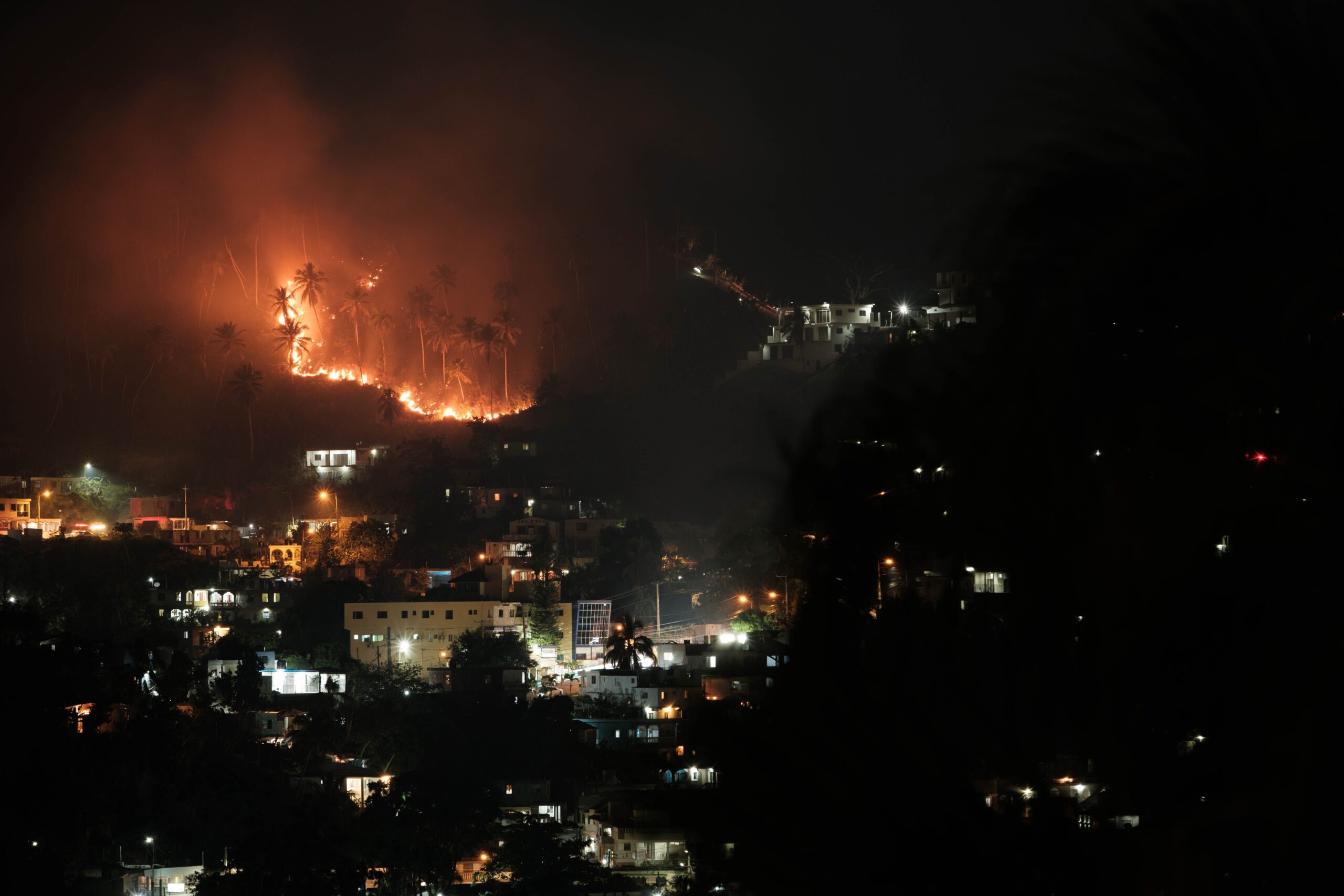
The crisis is driven by an unusual dry season that has persisted despite October typically marking the start of the rainy season. In the first 11 days of October alone, Amazonas state recorded over 2,700 fires, the highest count for that period since official monitoring began in 1998. Virtually all of these fires are human-caused, primarily resulting from deforestation and pasture clearance. Local firefighting services have described themselves as ill-prepared and ill-equipped to handle the scale of the problem, with some municipalities lacking sufficient water to extinguish blazes. “If municipalities had even the minimum structure in place, we could have avoided many problems,” stated the secretary of Borba town.
Disrupted Rainfall Patterns
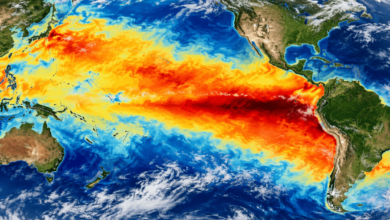
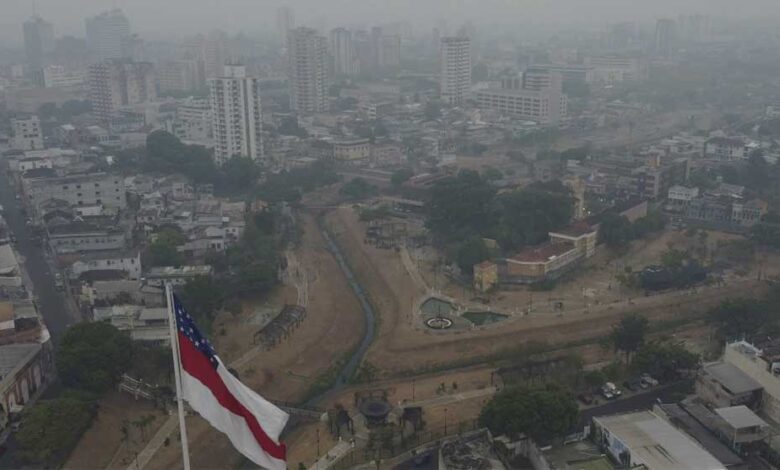
Scientists point to a combination of natural climate variability and long-term warming as the drivers of this extreme dryness. The warming of the northern Atlantic Ocean’s waters has disrupted the flow of rain clouds, a phenomenon linked to the “Atlantic dipole,” where a patch of warm water in the tropical North Atlantic interacts with colder water in the South. This is compounded by El Niño, a periodic warming of surface waters in the equatorial Pacific, which is expected to peak in December. In a normal year, smoke from fires south of the Amazon River would be carried westward toward Peru. However, the altered wind patterns associated with the current climate conditions have directed the smoke directly over Manaus.
Atmospheric conditions have also led to extreme heat, with temperatures in the region exceeding 40 degrees Celsius (104 degrees Fahrenheit). The combination of high heat and low humidity has created dangerously dry conditions in the forest, increasing the tinderbox effect. Mônica Vasconcelos, a climate perception researcher at Amazonas State University, described the situation as physically and emotionally painful. “It has been very painful… to wake up with the city covered in smoke, experience extreme temperatures exceeding 40 degrees Celsius, and follow the news that the river waters are disappearing,” Vasconcelos said.
Economic and Humanitarian Impact
The environmental crisis has severe socioeconomic repercussions. Many of the Amazon’s major rivers are at their lowest levels in 121 years. This drastic drop in water levels has disrupted navigation, isolating hundreds of riverine communities and raising concerns of a humanitarian disaster. In towns such as Tabatinga, Benjamin Constant, and Atalaia do Norte, residents report rising costs for goods as transport becomes more expensive and supply chains are broken. The economic capital of Manaus, which relies heavily on its status as a free-trade zone, has seen factory production hit by the lack of supplies, threatening the regional economy.
The immediate effects on daily life in Manaus have been profound. Major universities have suspended classes, and an international marathon was postponed for two months. Residents, who are accustomed to clean air, have been forced to resume wearing masks to protect their health. The crisis has also taken a toll on the ecosystem. In Tefe Lake, heated and shallow waters likely caused the death of dozens of river dolphins, most of which were pink dolphins, an endangered species.
Political and Environmental Context
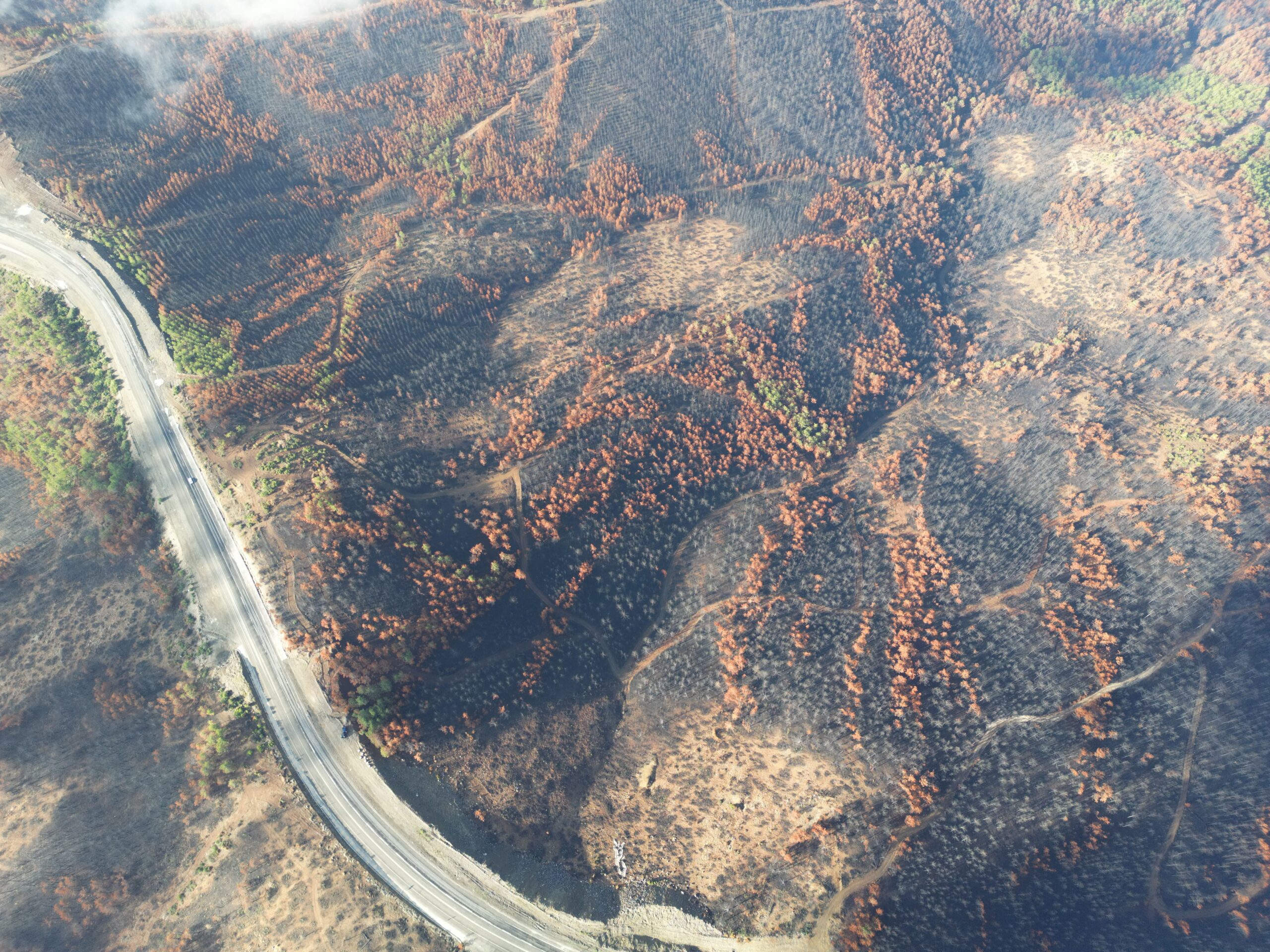
The smoke crisis has added tension to the political debate surrounding the planned reconstruction of the BR-319 highway, which connects Manaus to Porto Velho. The project, if completed, would open up approximately half of the remaining Brazilian Amazon forest to deforestation. While some local officials have suggested that the smoke originated in the neighboring state of Pará, data indicates that the fires producing the worst pollution in Manaus were located in the south of Amazonas state, reflecting the advance of agriculture and ranching in the region.
As the dry season continues, the region faces an uncertain future. The interplay between human-driven global heating and natural climate cycles like El Niño suggests that such extreme weather events may become more frequent and intense. For the residents of Manaus and the broader Amazon basin, the immediate challenge remains securing essential resources and protecting public health while the underlying drivers of the drought persist.