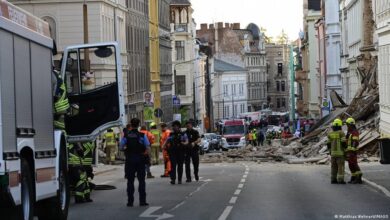
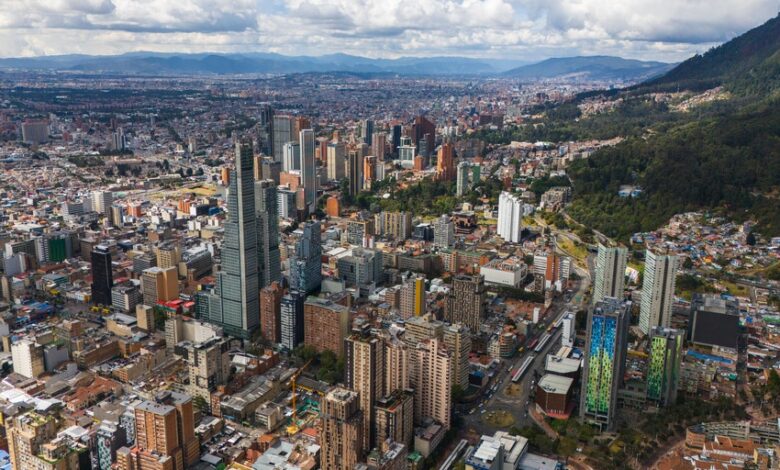
The earthquake struck at 7:34 a.m. local time (12:34 UTC) near the town of San José del Palmar, located approximately 250 miles west of the capital, Bogotá, along the Pacific Ring of Fire. The U.S. Geological Survey recorded the quake’s epicenter about 3.1 miles east of San José del Palmar at a depth of approximately 66.5 miles. Residents across major cities, including Bogotá, Medellín, and Cali, reported feeling the shaking, which was strong enough to cause widespread structural damage and prompt evacuations.
David Santiago Tamayo, director-general of Colombia’s Disaster Risk Management Unit, presented a damage assessment earlier on Thursday indicating that more than 12,000 homes were destroyed and over 74,000 residences were damaged. Tamayo stated that more than 170 buildings collapsed during the event. The initial reports from Monday indicated 216 deaths, with 95 of those fatalities occurring in the city of Cali alone. As of the latest update, the total death toll has risen to 281.
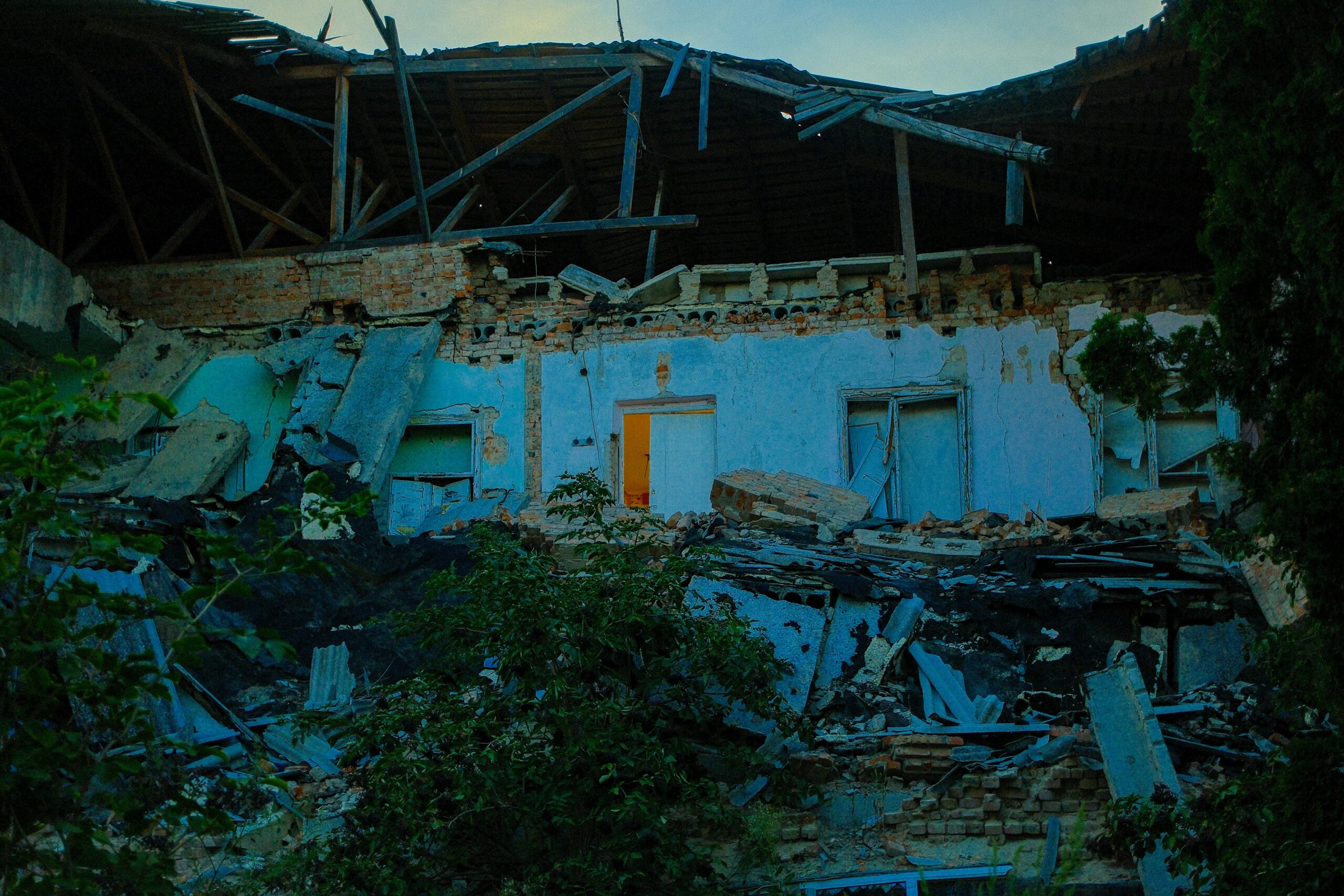
Infrastructure damage has been extensive. President de la Espriella confirmed that a pedestrian bridge collapsed and 20 road bridges were affected by the tremor. More than 200 roads sustained damage, and five airports were impacted, though authorities noted that the Colombia Maritime Authority determined there was no tsunami threat following the initial quake. Additionally, 44 aqueducts were damaged, complicating efforts to provide water to affected communities. In the immediate aftermath on Monday, officials had already reported that 18 hospitals, 52 schools, and 17 community centers had sustained damage.
The most heavily affected regions include the cities of Pereira in the Choco region and Cali in the Valle del Cauca area. Rescue efforts have yielded some successes; a 32-year-old woman was pulled from the rubble alive on Wednesday after being trapped for more than 36 hours in Pereira. The disaster has also had international repercussions, with reports confirming the death of a woman from Bergenfield, New Jersey, who was crushed by a collapsing building after rushing inside to rescue one of her daughters.
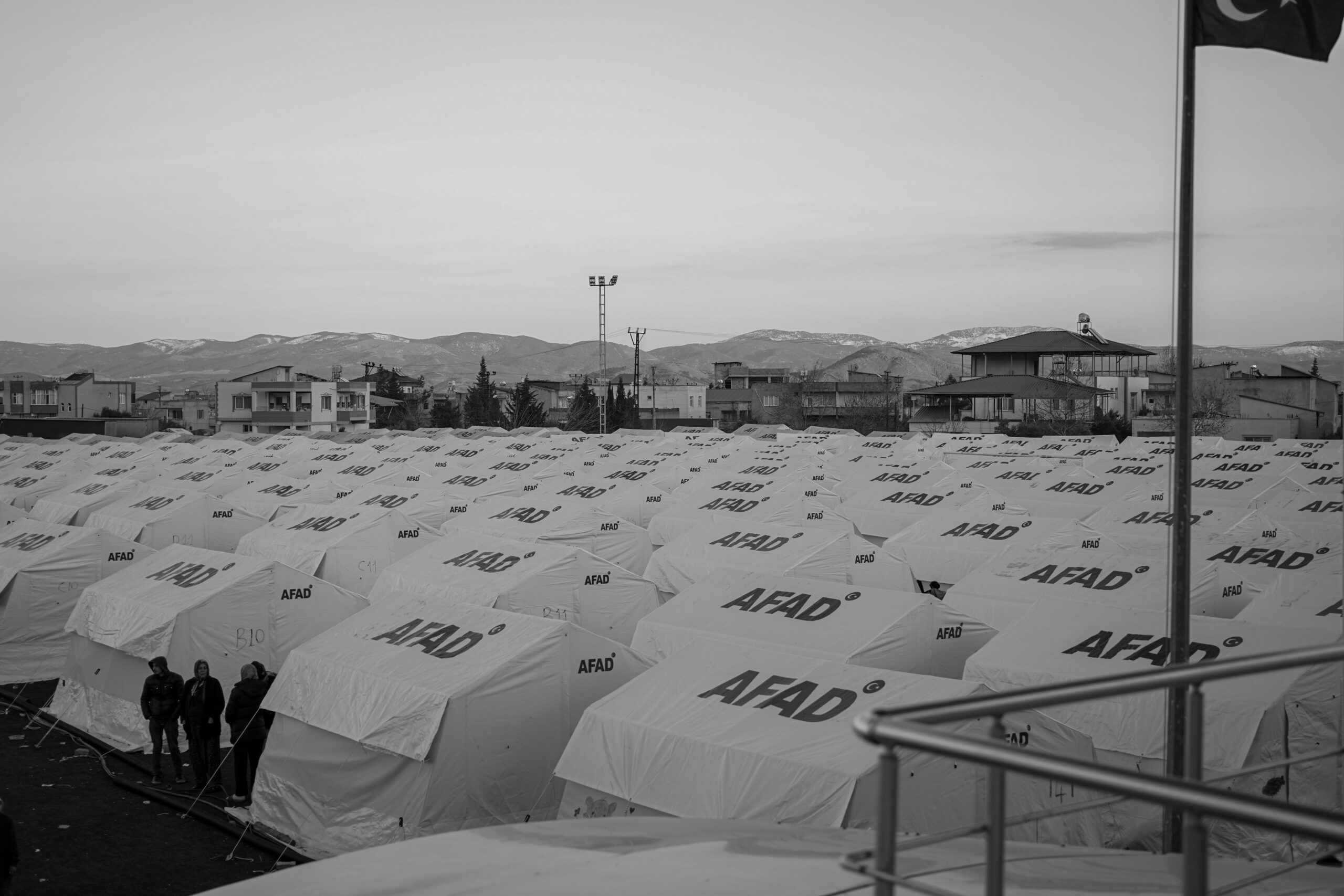
President de la Espriella emphasized the severity of the situation, stating that the impact is enormous and requires significant determination and political will from the government. “We must make the necessary investments in those areas to rebuild homes, support the victims and provide relief to so many Colombians who suffer today,” he said. Active search and rescue missions remain ongoing in the hardest-hit zones as the government coordinates relief efforts and damage assessments continue to evolve.