
Widespread Impact Across Malaysia and Singapore
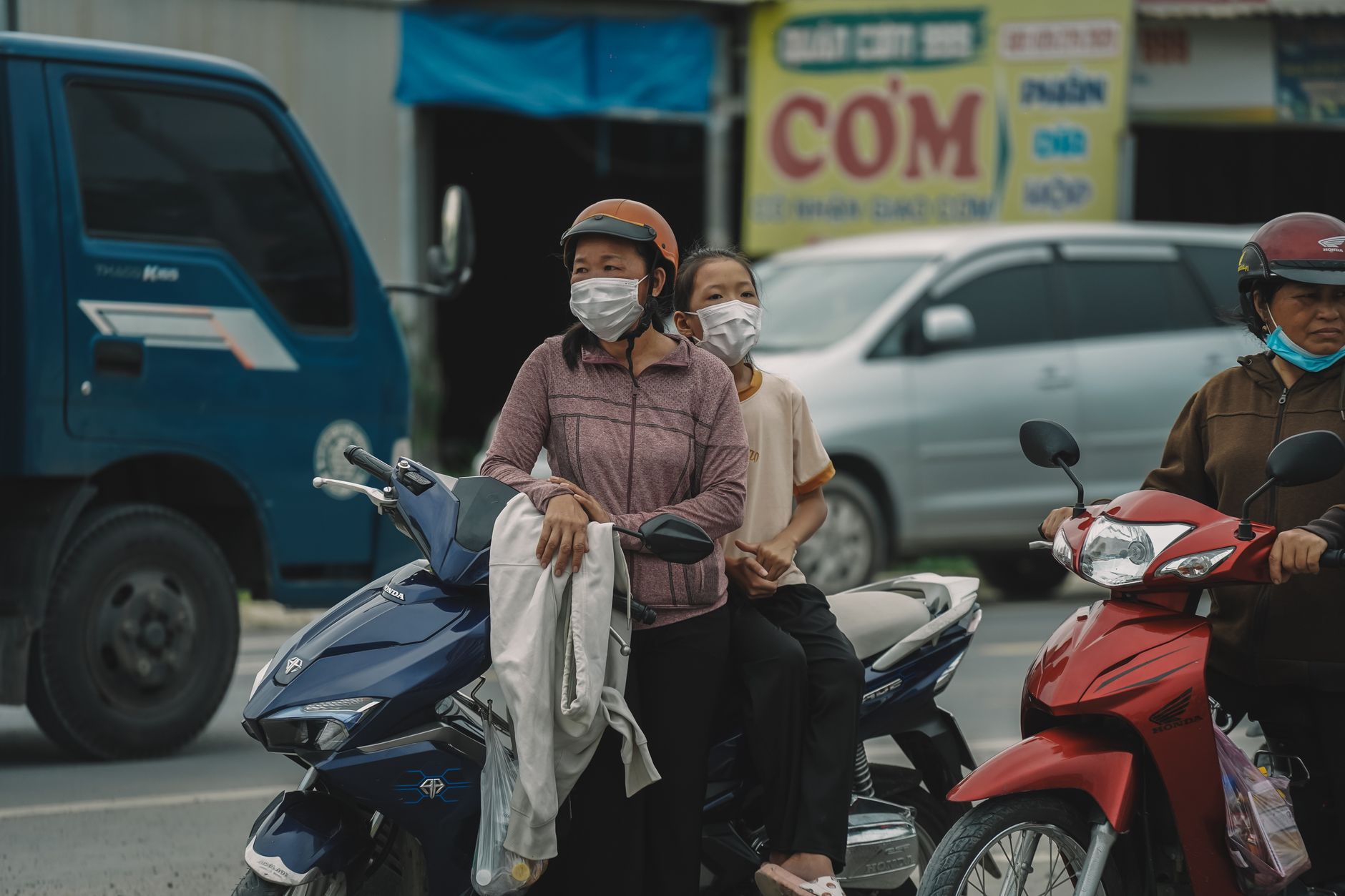
The environmental degradation is not confined to the capital. In Malaysia, 31 areas nationwide recorded “unhealthy” Air Pollutant Index (API) readings as of 9 a.m. on September 29. The most severe readings were observed in the Serian Police headquarters in Sarawak, where the API reached 175, and in Pasir Gudang and Larkin in Johor, with readings of 170 and 169 respectively. Other affected locations included Bandaraya Melaka (166), Nilai in Negeri Sembilan (165), and Johan Setia in Selangor (163). While 30 other areas reported moderate air quality, seven areas maintained good conditions, indicating that the haze is densest in specific industrial and agricultural zones.
The situation intensified in early October, prompting immediate public health interventions. In Johor state’s Batu Pahat district, located approximately 140 kilometers northwest of Singapore, authorities ordered the temporary closure of 200 schools, kindergartens, and nurseries due to the choking smog. This measure was taken as Kuala Lumpur’s air quality shifted into the “very unhealthy” range on Wednesday morning, further cementing its status as the globe’s most polluted metropolis according to IQAir data.
Economic and Operational Disruptions
The haze has begun to impinge upon major economic and sporting events in the region. In Singapore, three of the city-state’s five regions recorded unhealthy air quality levels just days before the annual Formula One weekend. Organizers of the Singapore Grand Prix stated they are working with relevant agencies to assess the situation, noting that any collective decisions regarding the event will depend on whether the haze causes visibility, public health, or operational issues. An F1 spokesperson indicated that current conditions are not yet at a level of concern, though the potential for disruption remains a focal point for race officials.
Similar health concerns affected the Kuala Lumpur Standard Chartered Marathon last week. Organizers cancelled the kids’ race category due to air quality risks, although the full and half marathon distances proceeded. However, top finishers recorded times slower than in recent years, suggesting that the degraded air quality impacted athletic performance. The marathon was previously cancelled entirely in 2015 during a similar regional haze emergency.
Causes and Historical Context
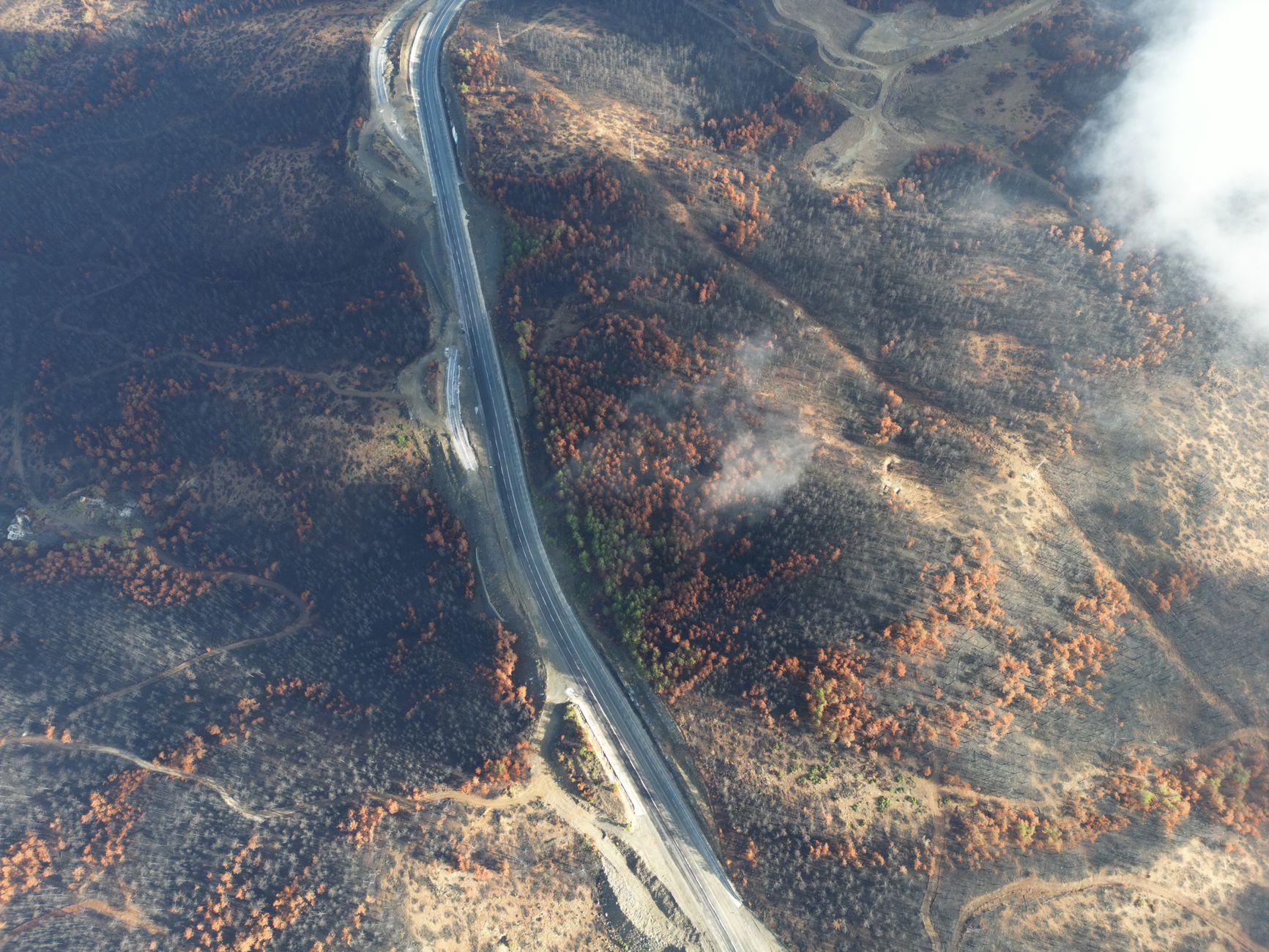
The uncontrolled blazes driving the current crisis stem from long-standing slash-and-burn agricultural practices in Indonesia. Fire conditions have been significantly exacerbated by an intensifying El Niño phenomenon, which has parched the landscape, making vegetation more susceptible to ignition. According to the Forestry Ministry’s fire-monitoring platform SiPongi, the number of hotspots last month was the highest since 2015, a period that triggered widespread disruptions and diplomatic tensions across Southeast Asia.
Environmental group Greenpeace has highlighted the industrial dimensions of the crisis, identifying more than 20 palm, pulp, and sugar companies whose land concessions contained sources of smoke from the fires. Several of these companies have links to both Malaysia and Singapore, underscoring the cross-border nature of the pollution. The AQI, which converts measurements of various pollutants into a single figure, serves as a critical metric for these health risks; while current readings are in the “unhealthy” to “very unhealthy” range, levels above 300 are classified as hazardous, a threshold not yet reached but a concern as the season progresses.
The immediate focus now shifts to whether air quality will improve sufficiently to allow the Singapore Grand Prix to proceed without further restrictions, and whether the current fire suppression efforts can prevent the hotspot count from surpassing the regional records set during the 2015 emergency.
