

The attack resulted in a significant fire at the site, with eyewitness footage showing flames and smoke billowing from the complex. Yandex confirmed the incident, stating that operations at the data center have been completely suspended following the strike. The company acknowledged that some of its services, including Yandex Disk and Yandex Documents, became temporarily unavailable to users. Disruptions began around 1:31 a.m. on Thursday, and Yandex warned that the outage could have ripple effects across other parts of its cloud network.
Strategic Target: Digital and Industrial Infrastructure
The Sasovo facility is not merely a server farm; it shares its grounds with the Sasta plant, a manufacturer of metalworking machinery. Sasta is subject to international sanctions and supplies essential equipment to Russian defense industry companies. As of Thursday morning, it remained unclear whether the primary intended target was the Yandex data center, the Sasta plant, or both. This dual-use nature of the site highlights the convergence of digital infrastructure and industrial capacity in Russia’s military-industrial base.
This event represents the first confirmed strike against Russian data infrastructure since the beginning of Russia’s full-scale invasion of Ukraine. It follows a pattern of Russian attacks targeting Ukrainian data centers, suggesting a tit-for-tat approach in the conflict’s digital domain. Yandex, often referred to as Russia’s answer to Google, is a cornerstone of the nation’s internet ecosystem. Its services extend beyond search to include cloud computing, online storage, email, maps, and ride-hailing. The company also hosts YandexGPT, one of Russia’s leading generative artificial intelligence models, raising questions about the potential impact on the development and deployment of domestic AI capabilities.

Operational and Economic Impact
The immediate operational consequence is the halting of thousands of servers that support business and consumer services across Russia. Yandex’s suspension of operations indicates a significant breach of its physical security perimeter, a vulnerability that may prompt a reassessment of protective measures for critical digital assets within Russian territory.
Economic repercussions were evident in the financial markets. Yandex shares dropped more than 3.4 percent during Thursday morning trading on the Moscow Exchange, reflecting investor concerns over the physical security of its infrastructure and the broader risks associated with ongoing military strikes. The company has not disclosed the extent of the physical damage to the servers or the estimated cost of repairs and replacement.
Ukrainian monitoring channels and eyewitness accounts corroborated the attack, although the Ukrainian defense ministry has not yet formally confirmed the strike. Ukraine typically does not immediately confirm attacks on Russian territory, leaving the precise attribution and tactical objectives to speculation in the immediate aftermath.
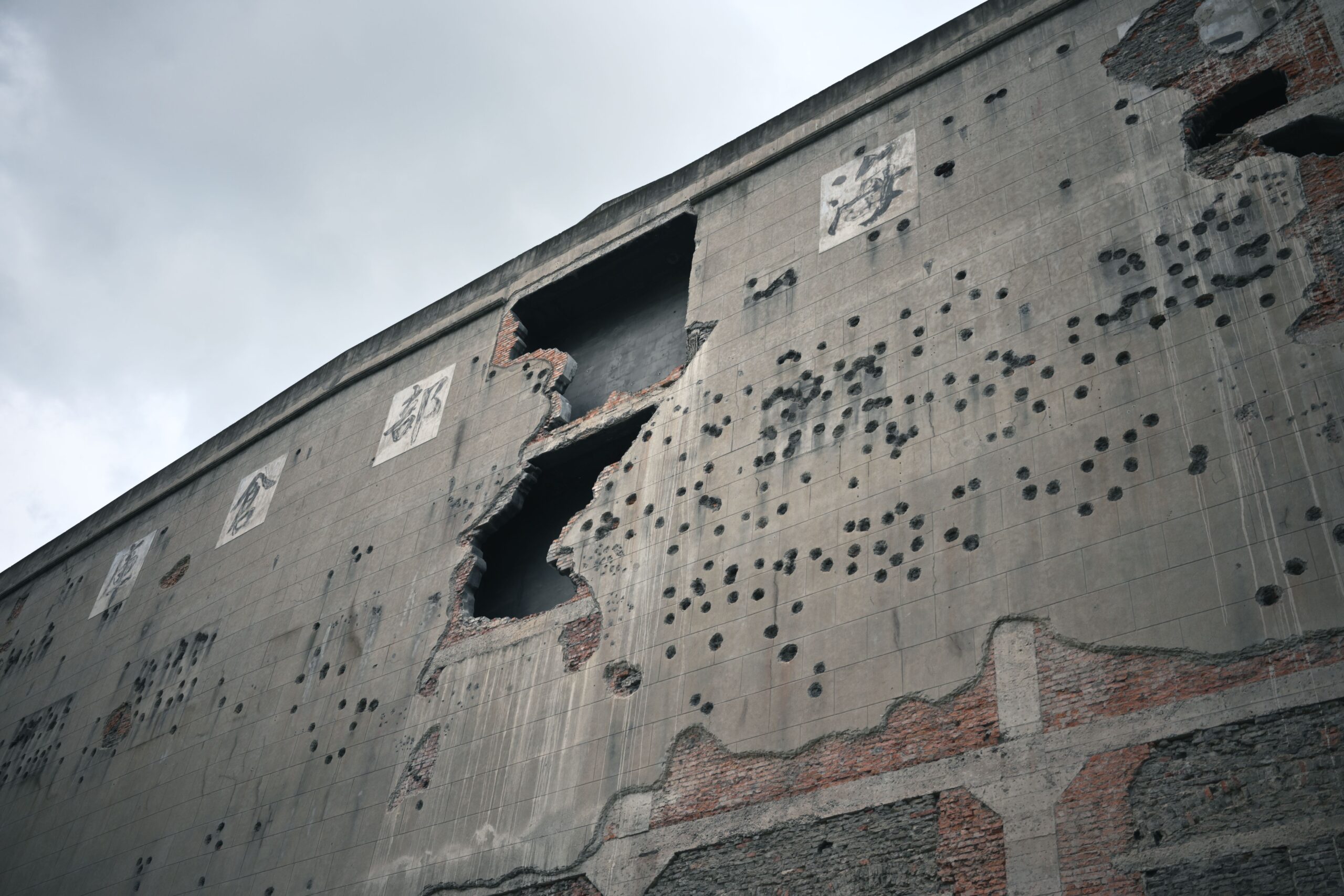
The strike occurs against a backdrop of increasing pressure on Ukrainian digital infrastructure. As Russia steps up attacks on Ukrainian data centers, experts have noted that while Ukraine’s internet system is robust enough to avoid a complete shutdown, the sustained targeting could lead to increased costs and degraded service reliability. The attack on the Yandex facility suggests that the conflict is expanding into the realm of critical digital infrastructure, with potential implications for both civilian services and military communication capabilities.
Further analysis will be required to determine the specific drone types used, the exact damage to the Sasta plant, and the long-term implications for Russia’s digital sovereignty and industrial production. The incident underscores the growing importance of protecting critical infrastructure from remote, low-cost aerial threats in modern warfare.