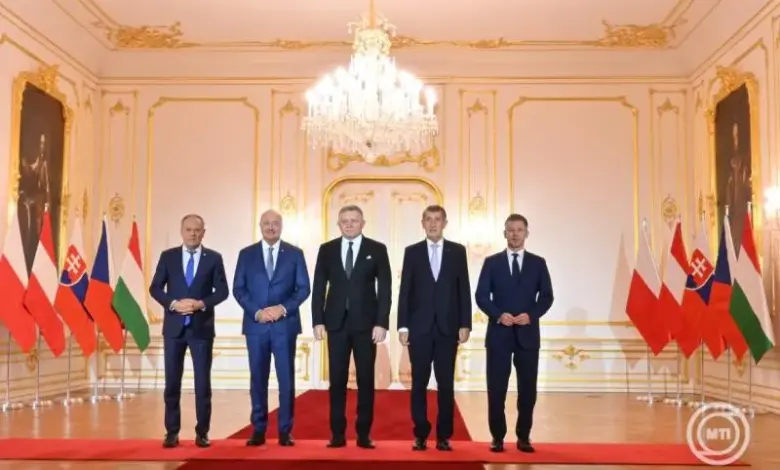
The central point of contention is the proposal to link the EU’s 2028–2034 budget with compulsory financial support for Ukraine. While Magyar emphasized that Hungary, like Slovakia, Poland, the Czech Republic, and Austria, stands in solidarity with Ukraine and has provided assistance in the past, he argued against making such funding a mandatory contribution imposed through an already stretched budget. He stated that Hungary would not accept threats or conditions regarding Ukrainian funding during the budget negotiations. The dispute is set to feature prominently in the next round of EU-level talks scheduled for Thursday and Friday, 26–27 November.
This diplomatic friction occurred against the backdrop of significant domestic policy shifts in Hungary. Just one day before the V4 summit, on Tuesday, 24 November, the Hungarian parliament voted to scrap the price margin cap imposed on food and drugstore products. The proposal was approved with 135 votes in favor, ending a measure that had been a source of controversy in the retail sector for years. The decision reflects a broader political pivot under the new government, which Polish Prime Minister Donald Tusk noted has helped the V4 countries reach common ground on various issues.
Economic and Energy Minister István Kapitány defended the parliamentary vote, describing the margin cap as a “failed measure” that had not made shopping cheaper. In a Facebook post, he argued that the economic conditions justifying the restrictions had changed. Capitalizing on a strengthening forint against the euro and stabilized inflation, the government contends that the removal of caps will allow shops to compete for customers again. Kapitány cited specific economic indicators to support this view, pointing to October’s inflation rate of 2 per cent and an average annual decline of 4.7 per cent in food prices. He suggested that the stronger currency could make imported goods cheaper to source, thereby reducing retailers’ purchasing costs and easing pressure to raise prices.
However, the decision has not been without criticism. During the parliamentary debate, the Fidesz party warned that food prices could increase once the margin cap is removed. The debate highlights a long-standing disagreement among supporters and opponents of the measure regarding its effectiveness and its wider impact on retailers and consumers. While the government argues that current economic conditions allow for the end of these restrictions, the actual effect on supermarket prices remains uncertain. It is yet to be seen whether shoppers will notice lower prices, higher prices, or little immediate difference as retailers adjust their pricing strategies following the legislative change.
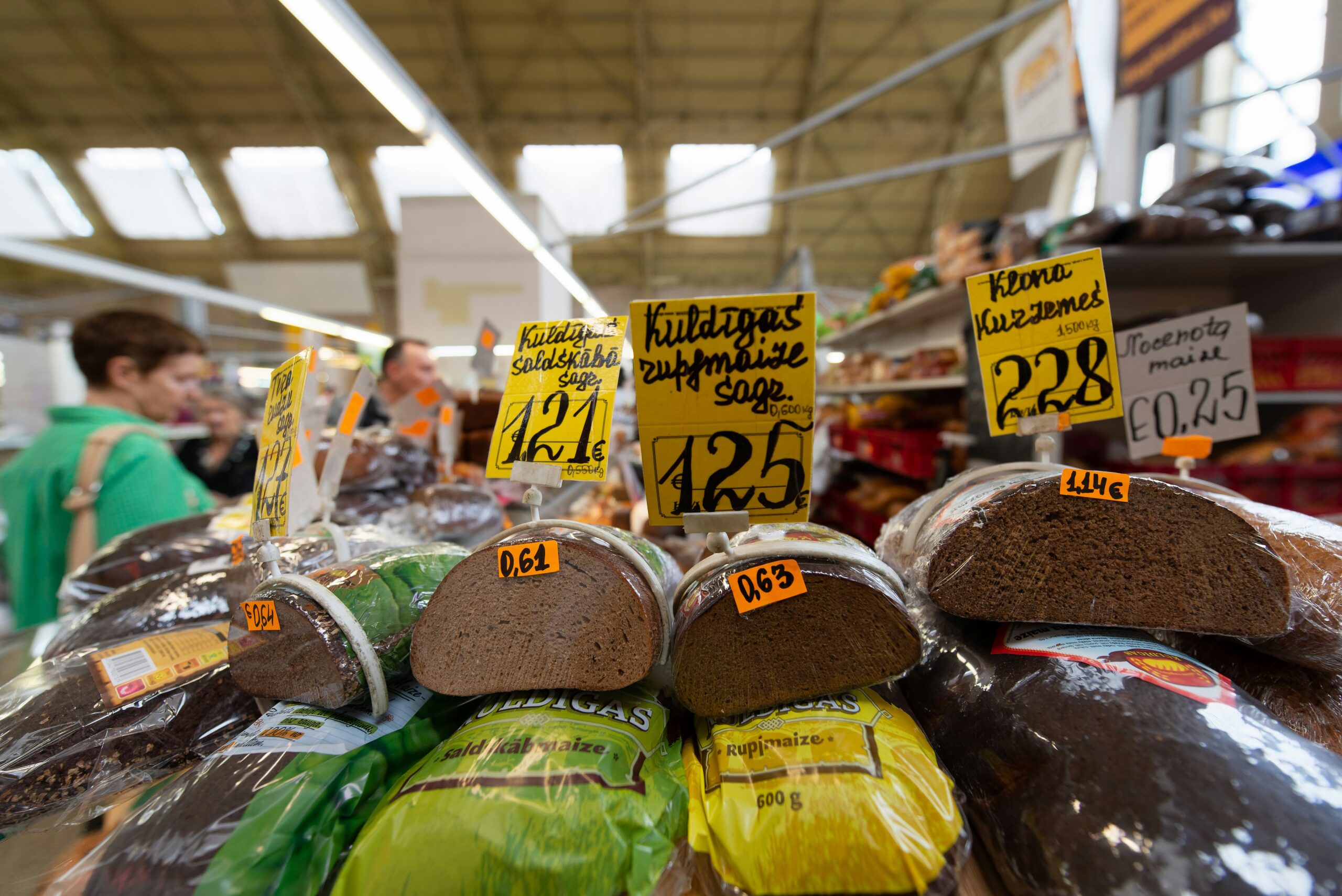
The juxtaposition of these two developments illustrates the current political trajectory in Hungary. Internationally, the government is pushing back against what it views as coercive EU mechanisms, prioritizing national sovereignty in financial commitments to Ukraine. Domestically, it is moving away from direct price controls to a more liberalized market approach, betting that macroeconomic stability and currency strength will yield better results for consumers than artificial caps. Tusk’s remarks at the V4 summit, crediting the change of government in Hungary for improved regional cooperation and highlighting Magyar’s anti-corruption efforts, suggest that this shift is being noted by regional allies, even as disagreements with Brussels persist.
The upcoming EU talks on 26–27 November will be the first major test of Hungary’s stance on the budget. If the EU insists on linking the budget to compulsory Ukrainian funding, the deadlock could prolong negotiations, potentially impacting the entire bloc’s spending priorities. Meanwhile, back in Hungary, the retail sector is now navigating a new regulatory environment stripped of margin caps. The outcome in Brussels and the subsequent reaction of Hungarian consumers to market-driven pricing will define the immediate political and economic landscape for the country in the coming months.