
Among the confirmed casualties is a father and his son, who were killed by a mudslide. While specific details regarding the exact location of their deaths and the age of the child have not been fully detailed in initial reports, the loss of life represents a tragic human cost of the ongoing meteorological crisis. Emergency services have been deployed to the affected areas to search for missing persons and provide immediate aid to displaced families.
The flooding has affected thousands of homes across the southern provinces, with many structures damaged or completely submerged. Residents in low-lying areas and those living near riverbanks have been forced to evacuate, seeking shelter in temporary camps and community centers. The scale of the displacement has strained local resources, with aid organizations working to provide food, clean water, and medical assistance to those affected.

Southern Peru is particularly vulnerable to such disasters due to its geographic location and climate patterns. The region is prone to landslides and floods, especially during periods of intense rainfall. In recent years, the frequency and intensity of such events have raised concerns among climate scientists and local authorities alike. While individual weather events are influenced by complex atmospheric conditions, the broader trend of increasing extreme weather is consistent with global climate change projections.
Local authorities have issued warnings urging residents in high-risk areas to remain vigilant and follow evacuation orders if necessary. Infrastructure damage, including roads and bridges, has hindered rescue efforts and the delivery of supplies, further complicating the emergency response. Power outages and communication disruptions have also been reported in some areas, isolating communities from outside support.
The incident serves as a stark reminder of the need for robust disaster preparedness and climate adaptation strategies. Communities in the Andes are facing heightened risks from glacial melt, altered rainfall patterns, and increased soil instability, all of which can contribute to the likelihood and severity of mudslides and floods. Investing in early warning systems, improving infrastructure resilience, and promoting sustainable land management practices are critical steps to reducing the impact of future disasters.
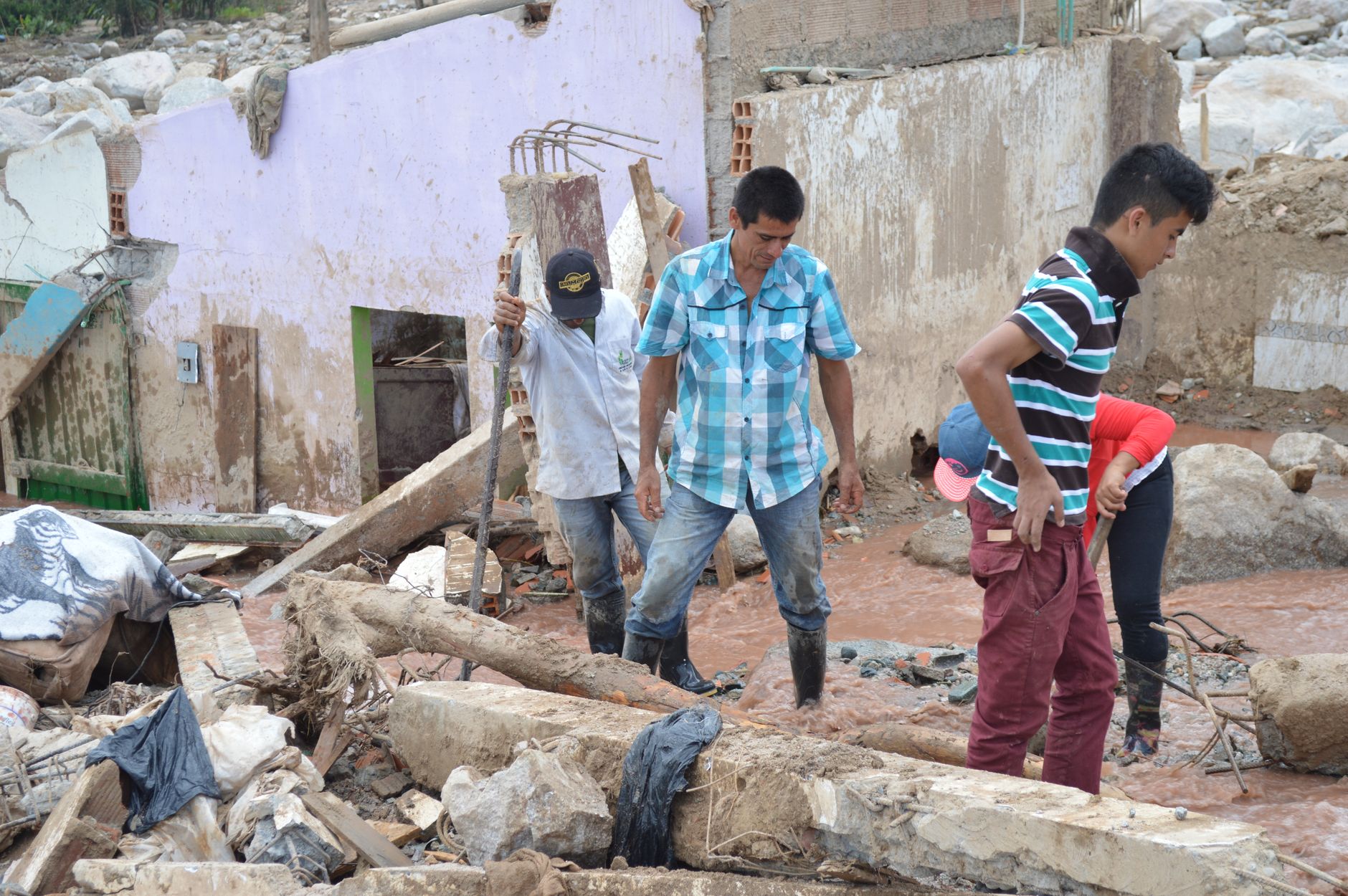
As the immediate emergency response continues, attention is turning to the longer-term recovery efforts. Rebuilding damaged homes and restoring essential services will require significant financial and logistical support. International aid organizations and the Peruvian government are expected to collaborate to ensure that affected communities receive the necessary assistance to recover and rebuild their lives.
The tragedy in southern Peru highlights the urgent need for comprehensive climate action and local resilience planning. As extreme weather events become more common, the vulnerability of communities in the Andes and other regions will continue to grow without sustained efforts to mitigate climate change and adapt to its inevitable impacts.
