The Geological Survey of Tanzania (GST) confirmed that the Dodoma tremors were the result of natural geological processes. Ally Samaje, the GST chief executive officer, explained that Tanzania is traversed by two branches of the East African Rift System, a major geological fault line where tectonic plates move, creating pressure within rocks that can fracture or slide, releasing energy as seismic waves. Regions such as Dodoma, Singida, Manyara, Arusha, Mara, and Iringa are inherently exposed to such events due to their position along this rift. Samaje emphasized that while the activity is natural, the occurrence of these tremors is not unusual for the region, though the lack of infrastructure damage in Dodoma stands in stark contrast to events that have occurred elsewhere in the country.
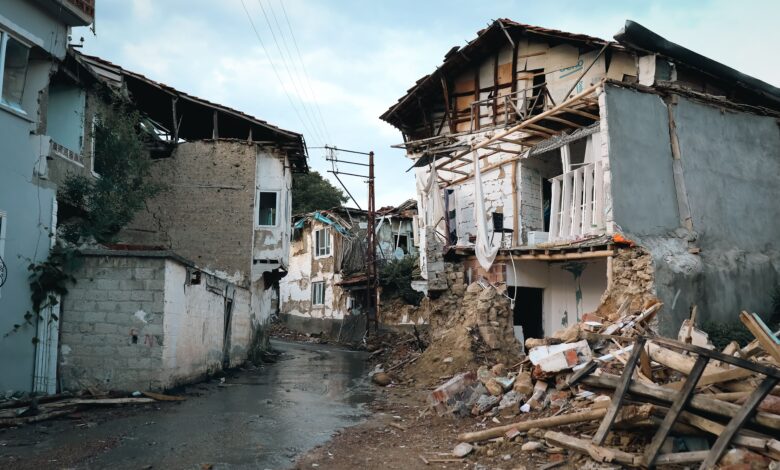
Just weeks prior, a 5.7-magnitude earthquake struck the northern city of Bukoba, close to Lake Victoria and the border with Uganda. The disaster, which occurred on September 10, resulted in the deaths of at least 14 people and left approximately 200 injured. Local authorities, including Deodatus Kinawilo, the district commissioner for Bukoba, confirmed the death toll, noting that the previous count of 13 had risen as victims succumbed to their injuries. The quake caused extensive damage to buildings in Bukoba, a city of more than 70,000 people, and tremors were felt as far away as western Kenya. While major earthquakes in the Great Rift Valley are relatively rare, the Bukoba event demonstrated the destructive potential of the same tectonic systems currently active in Dodoma.
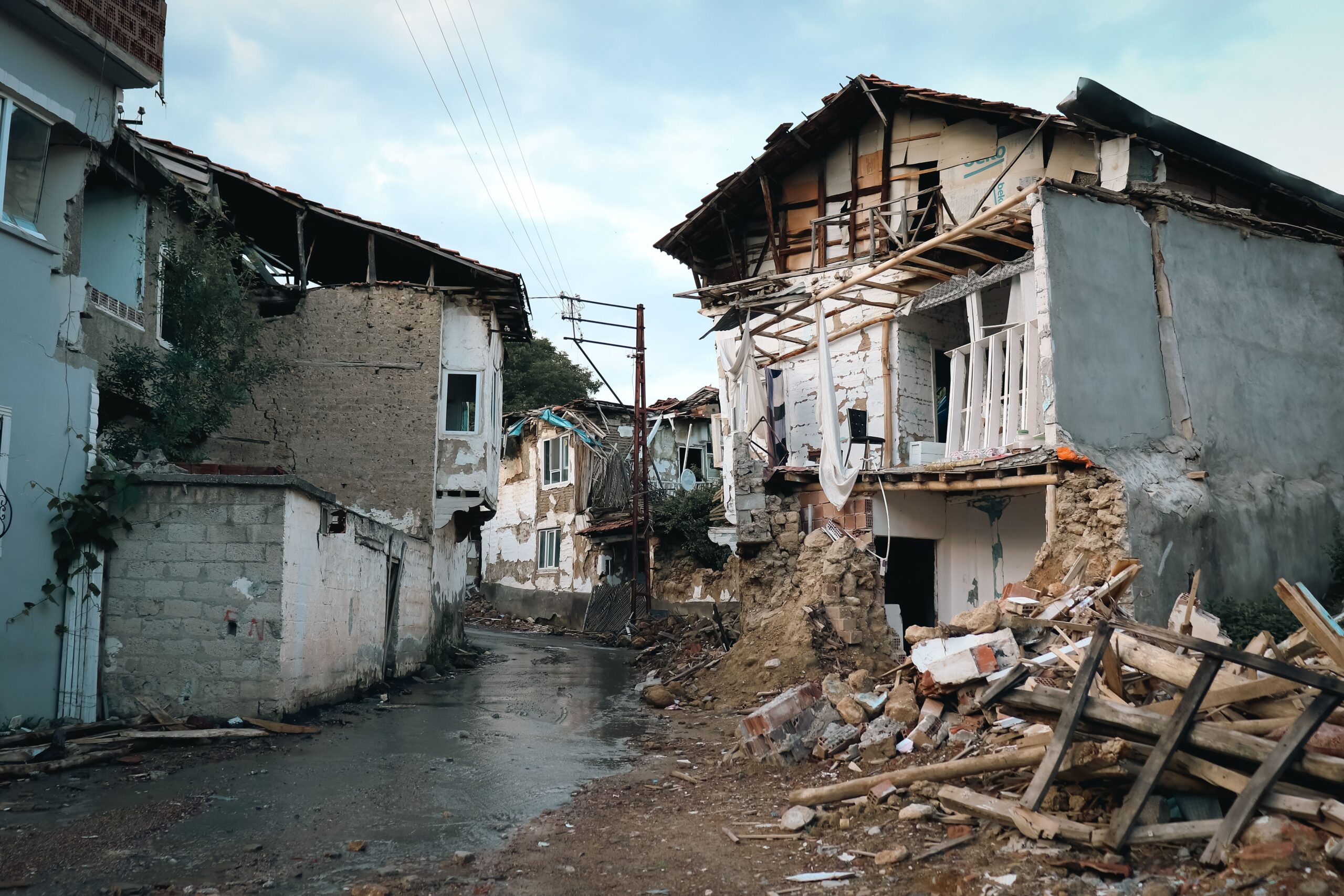
The human impact of the Bukoba earthquake extended beyond immediate physical destruction, revealing significant administrative failures in the emergency response. In the aftermath of the disaster, foreign governments, including India which donated $250,000, contributed to a national relief fund. However, President John Magufuli’s office announced the dismissal of two senior officials and the suspension of an accountant for attempting to siphon money from this fund. The officials, Amantius Msole, Kagera’s regional administrative secretary, and Steven Makonda, Bukoba city municipal council director, were fired for opening a bank account that mimicked the government’s official account to divert funds intended for victims. Accountant Simbaufoo Swai was suspended for her role in the scheme. The three individuals have not commented on the allegations, but the incident has raised serious questions about the integrity of disaster relief mechanisms in a country prone to seismic hazards.
As the immediate shockwaves of the Dodoma tremors subside, the focus shifts to long-term preparedness and the structural integrity of the nation’s response to natural disasters. The GST has dismissed speculation regarding earthquake forecasting, stating that no technology exists to predict the precise timing or location of seismic events. Instead, the agency urges the public to prioritize safety through adherence to approved engineering standards. Samaje advised that residents must avoid building on fractured rock formations or unstable slopes and seek professional geological assessments before developing land in high-risk areas. For a nation where the East African Rift System dictates the geological reality, the path forward lies not in prediction, but in resilient construction and the ethical stewardship of resources dedicated to protecting communities from the inevitable ground shifts.