
This event marks the worst regional haze episode in over a decade, driven by an intensified pattern of fires set primarily to clear land for farming. The timing of this crisis is particularly challenging due to the influence of El Niño conditions, which have exacerbated the dryness and intensity of the fires. The meteorological impact extends beyond the immediate smoke; El Niño is also expected to delay the onset of the rainy season. Consequently, regional officials warn that the unhealthy haze could persist as a significant environmental issue through October or into early November, prolonging the health and economic disruptions across the region.
The human cost is immediate and measurable. Respiratory complaints have skyrocketed in affected areas as the particulate matter lingers in the atmosphere. In Malaysia, the scale of the disruption has led to the temporary shutdown of educational institutions, highlighting the direct impact of transboundary air pollution on daily life and public health infrastructure. The severity of the current event has placed Singapore at the top of global pollution rankings, designating it the most polluted city in the world during this period. This spike in pollution underscores how local environmental decisions in one country can have profound, immediate consequences for neighboring states, turning a regional ecosystem issue into a critical public health emergency.

Despite the recurring nature of this crisis, which has plagued Southeast Asia for years, the legal avenues available to affected nations remain narrow. Experts indicate that existing legal frameworks offer little recourse for tackling transboundary air pollution. Suggestions that Malaysia and Singapore might take Indonesia to the International Court of Justice (ICJ) in The Hague face fundamental obstacles. The complexity of proving direct state responsibility for fires often driven by private actors, combined with the lack of enforceable regional treaties specifically targeting this type of environmental harm, leaves neighboring countries with limited options for legal redress. The ICJ, the UN’s highest judicial organ, is not a straightforward path for such disputes, leaving diplomatic and bilateral channels as the primary, though often insufficient, tools for resolution.
The environmental drivers of this haze are a combination of natural and human factors. While El Niño provides the climatic backdrop that makes fires more likely to spread and persist, the primary cause remains the deliberate ignition of land for agricultural purposes. This practice, embedded in the region’s economic activities, creates a predictable cycle of pollution during dry seasons. The current episode serves as a stark reminder that without significant changes in land-use practices and stronger regional cooperation, the severity of these events may only worsen as climate variability increases.
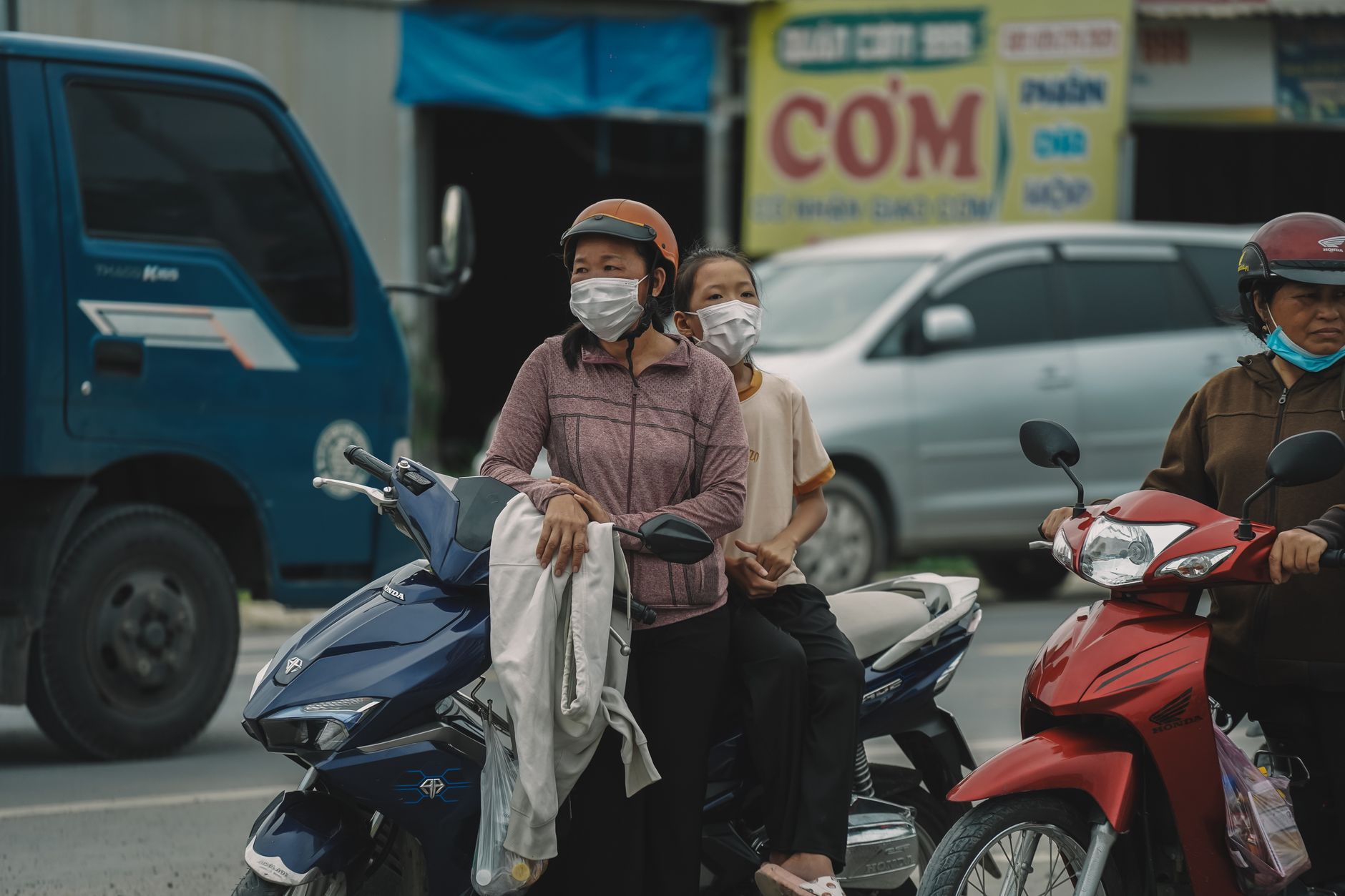
As the smoke continues to drift across borders, the focus remains on the immediate health implications for millions of residents. The delay in the rainy season means that the resolution of this crisis is not imminent, forcing communities and governments to manage the long-term effects of poor air quality. The situation highlights a persistent gap in international environmental law: while the physical effects of the haze are undeniable and documented through scientific measurements and public health data, the legal mechanisms to prevent or remedy such cross-border environmental damage remain underdeveloped. For now, the priority for Malaysia and Singapore is mitigation and public health management, as they wait for the weather to shift and the fires to subside, repeating a cycle that has defined their regional relationship for decades.