In response to the growing unrest, the government approved two emergency housing decrees on September 29. These measures were designed to strengthen tenant protections and regulate the rental market, addressing what is described as one of Europe’s most acute housing affordability crises. However, on October 2, the Congress rejected both proposals. The defeat was delivered by a joint vote from the conservative People’s Party (PP), the far-right Vox, and Junts, the Catalan pro-independence party that holds the balance of power in the current coalition.
The parliamentary impasse exposed a structural fragility that has haunted Prime Minister Pedro Sánchez’s government since it was formed in 2023. Lacking a reliable majority, the administration has struggled to pass key legislation. Citing this inability to govern effectively, Sánchez called a snap general election for November 29, bringing the vote forward by approximately 10 months. His strategy is to transform a legislative defeat into an electoral confrontation, arguing that voters must grant the government a stronger mandate to tackle the housing crisis if the current fragmented parliament cannot contain it.
The decision to call an early election is a calculated political gamble. On the surface, the timing appears disadvantageous for the Socialist Party (PSOE), which has faced months of intense pressure. Internal circles of the PSOE and Sánchez himself have been subject to years of corruption allegations, while the recent crisis in Ceuta shifted the migration debate toward security and deportations, challenging Sánchez’s broader policy of regularisation and inclusion. Furthermore, recent polling data places the PP ahead of the PSOE, with Vox showing particular strength, making a future PP–Vox government a central possibility in the campaign.
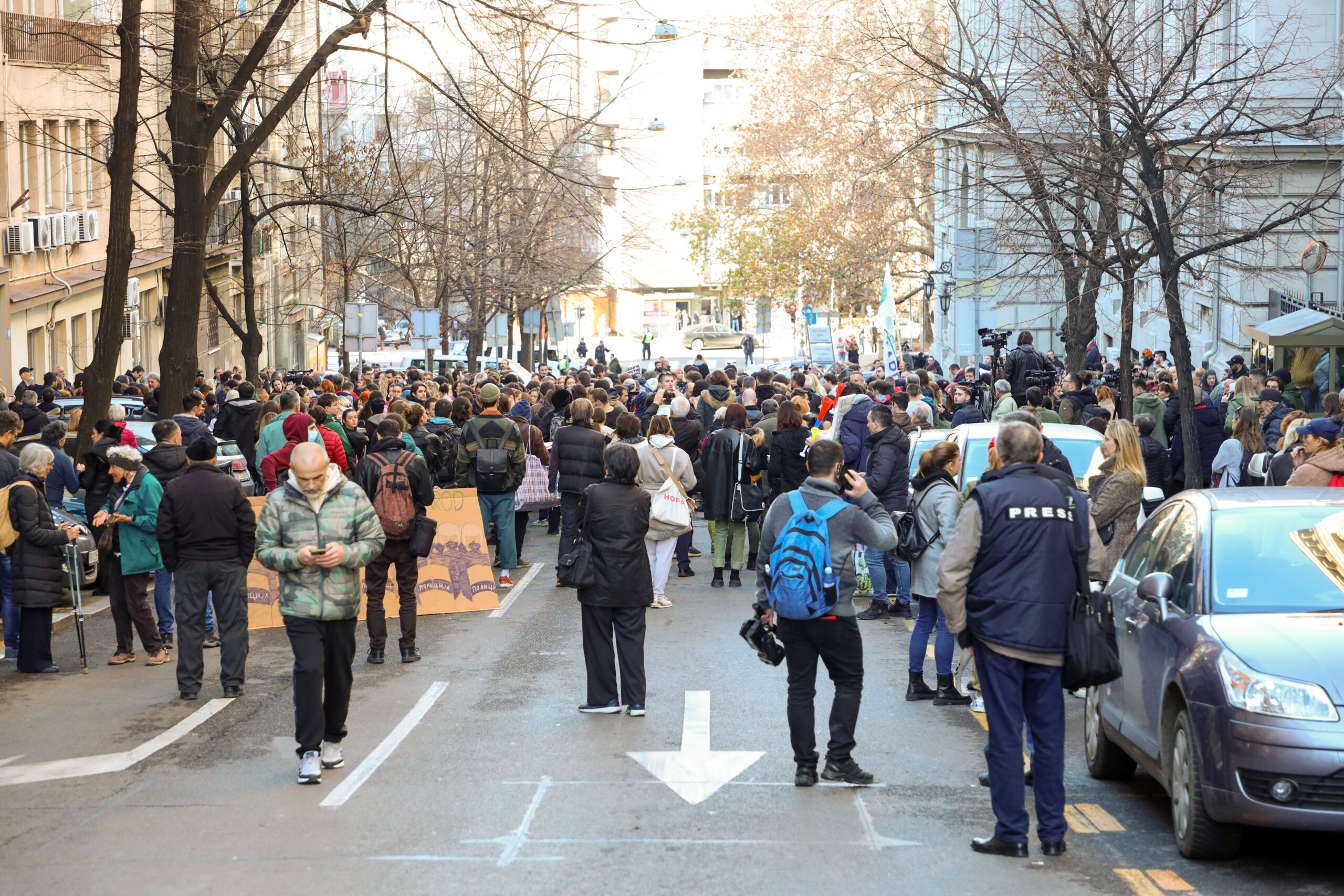
Despite these headwinds, Sánchez is attempting to control the narrative. By focusing on housing, he aims to shift the debate away from issues where the right holds the advantage, such as corruption or the controversial amnesty for those involved in Catalonia’s independence push. The mass mobilization over housing has demonstrated that ordinary citizens can shape the political agenda, providing Sánchez with a mobilising issue that resonates across social classes. Whether he can sustain this focus for the two-month campaign period remains uncertain, but the shift in public attention has already placed pressure on all parties to articulate clear positions on rent control and tenant rights.
Fragmentation on the Left and Right
The outcome of the election will likely be determined by how the fragmented opposition forces coalesce. On the right, the PP and Vox are well-positioned to capitalize on the government’s parliamentary weakness. However, their ability to form a stable government may depend on negotiations with other parties. On the left, the situation is more complex. The space once occupied by Podemos is currently fragmented, with several parties preparing to contest the election through a new Frente Amplio platform, while Podemos itself remains outside this coalition. Whether the left can reorganize quickly enough to prevent a right-wing victory is a critical variable in the upcoming months.

Sánchez’s political resilience has been tested before. In 2023, the PP also led the polls, yet Sánchez managed to mobilise enough support for the PSOE and assembled a parliamentary majority that allowed him to remain in office. His ability to turn difficult situations to his advantage remains his greatest asset, though the current odds are steeper. The housing crisis has created a volatile environment where policy failures are punished immediately by the electorate. As the campaign progresses, the focus will remain on whether the government can translate its emergency decrees into tangible results before the November 29 vote, or if the opposition can successfully frame the election as a referendum on stability and security.
For households across Spain, the stakes are immediate. The rental market remains under pressure, and the failure of the recent decrees leaves many tenants without the legal protections they sought. The coming weeks will see intensified campaigning on these economic anxieties, with both sides attempting to link their policy platforms to the lived experiences of those struggling with housing costs. The election will ultimately decide whether Spain’s political system can adapt to these new economic realities or if further fragmentation will leave the housing crisis unresolved.