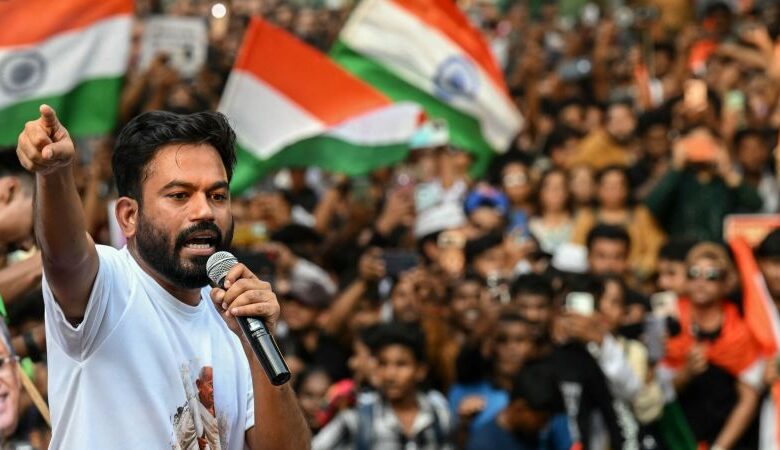
The CJP, which originated in May as a viral Gen Z internet joke, has evolved into a significant political force. In July, the movement forced the government into its most significant policy reversal in years, culminating in the resignation of Education Minister Dharmendra Pradhan over an exam paper leaks scandal. Now billing itself as entering “Season 2,” the group has shifted its focus to Gyanesh Kumar, the 62-year-old Chief Election Commissioner (CEC).
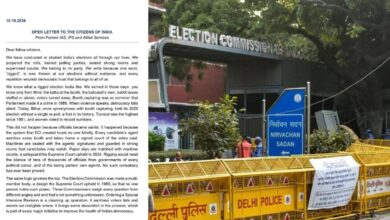
The central grievance of the movement is the Election Commission’s ongoing exercise to remove dead, duplicate, and ineligible voters from the electoral rolls. The CJP alleges that the commission is systematically disenfranchising tens of millions of eligible citizens to benefit the ruling Bharatiya Janata Party (BJP). Both the Election Commission and the BJP have firmly denied these accusations, maintaining that the process is a necessary administrative cleanup.
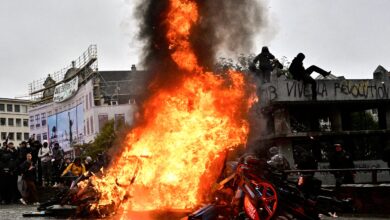
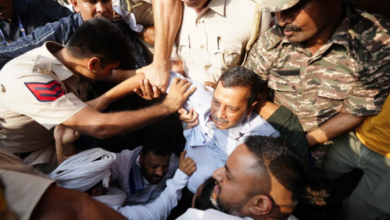
Despite the capital being converted into a fortified security zone with mobile internet services blocked, supporters gathered in New Delhi on Saturday. Police detained many individuals at the protest site, including prominent figures from the broader opposition coalition. Among those detained were Mamata Banerjee, Arvind Kejriwal, and P. Vijayan. The CJP also stated that Dhruv Rathee, a popular influencer and activist with 33 million YouTube subscribers, was detained at the site.
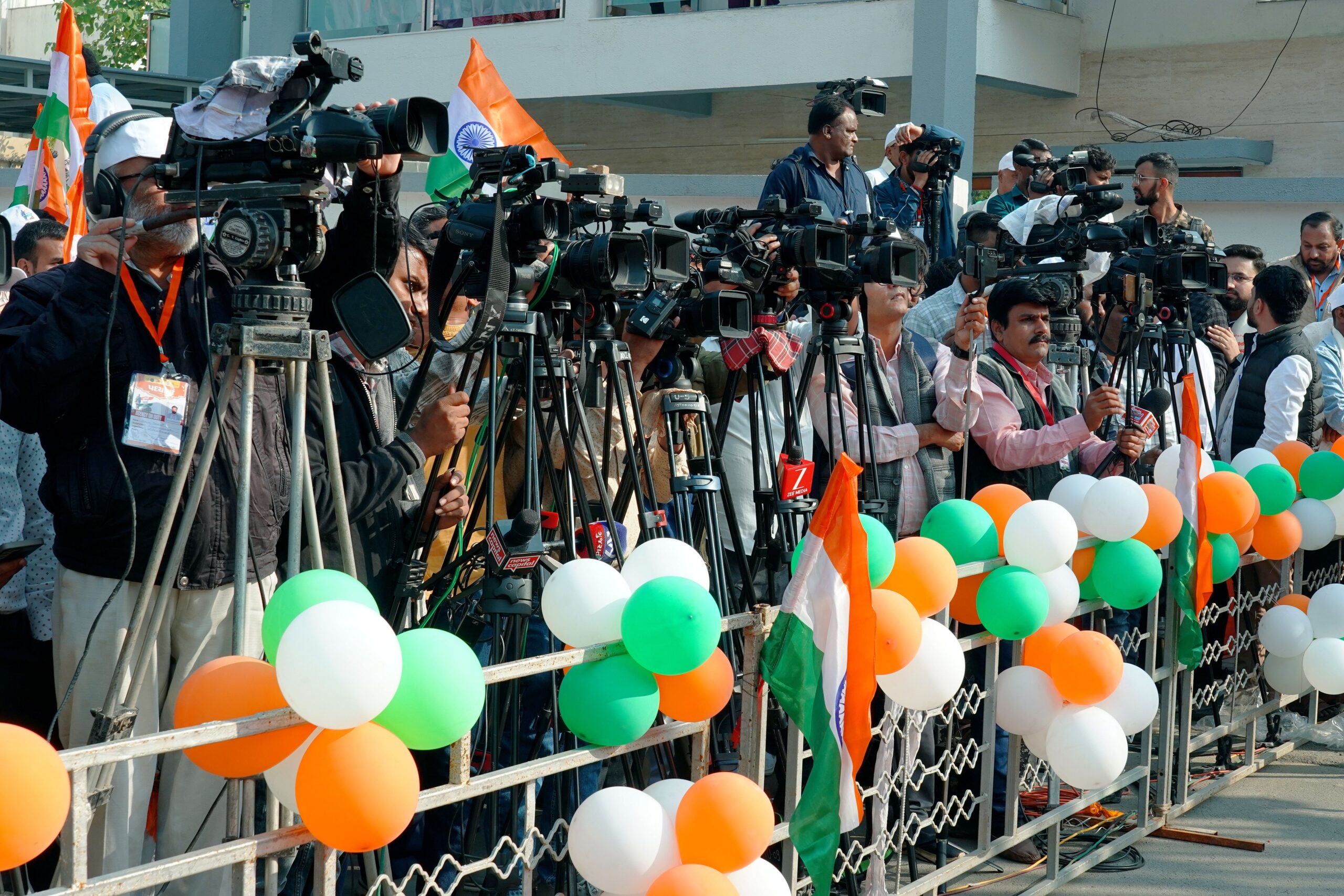
The movement’s leadership condemned the detentions in a public statement, describing them as an attempt to “cripple the leadership of today’s peaceful demonstrations before they even reach the protest site.” The CJP takes its name from an alleged off-the-cuff remark by India’s Chief Justice in May, who reportedly referred to groups of unemployed youth as “cockroaches” and “parasites.” Although the Chief Justice later claimed he was misquoted, Dipke, a Boston University graduate, embraced the moniker, citing the insect’s status as a symbol of stubbornness and indestructibility.
The political landscape surrounding the protests has become increasingly polarized. Nitin Nabin, president of the ruling BJP, lambasted the CJP on social media, accusing the movement of attempting to destabilize a “self-reliant and empowered nation” at the behest of foreign forces. “You cannot bear to see India moving forward,” Nabin stated, framing the youth-led protest as an external threat rather than a domestic policy dispute.
The face of the current wave of activism includes figures like Neha Bora, a 29-year-old PhD student and theatre artist who has become a recognizable symbol of the Gen Z protests. Bora, who uses they/them pronouns and has served as president of the Left-wing All India Students’ Association for two years, went viral for images of them being dragged by police and climbing barricades. While not a formal member of the CJP, Bora’s group participated in the demonstrations. Bora attributed their heightened visibility to the camera presence, noting that their actions were consistent with the long history of student activism in India.
The protests have been characterized by a blend of traditional march dynamics and digital-native engagement. Previous iterations of the CJP movement featured dancing, DJ parties, and social media campaigns that played on “fear of missing out” to mobilize young people. The movement also faced logistical challenges due to an overwhelming influx of free food donations from supporters across the country, which organizers eventually had to ask people to stop sending.
Security forces have deployed significant resources, including the use of body cameras and specialized units, to manage the demonstrations. The situation represents one of the most substantial challenges to Prime Minister Narendra Modi’s twelve-year tenure, as opposition parties and independent youth movements converge on the issue of electoral integrity. The next major step in this political confrontation will be determined by the outcomes of the ongoing legal challenges to the voter roll revisions and whether the detained leaders are released to continue their advocacy.