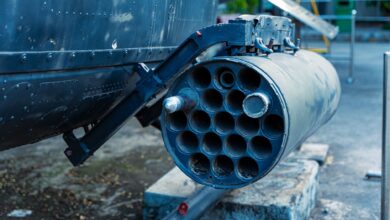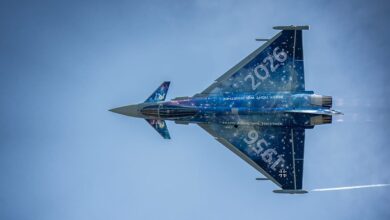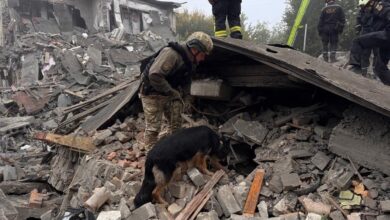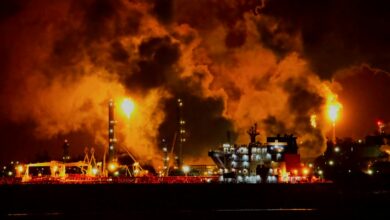
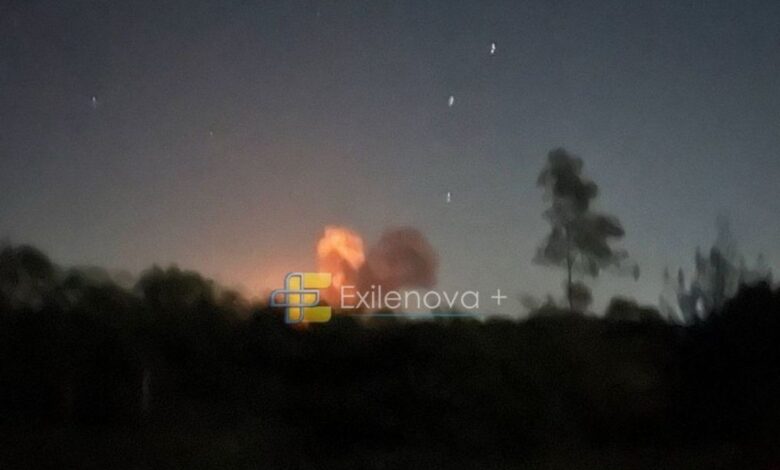
The SBU stated that both aircraft are carriers of guided aerial bombs, which Moscow has frequently used along the front line and against Ukrainian cities. The agency estimated the export value of the damaged aircraft at approximately $100 million for the Su-35 and $50 million for the Su-34. While the SBU confirmed the hits, the extent of the physical damage to the aircraft and the depot could not be independently verified.
“The SBU systematically targets Russian military facilities, consistently reducing its ability to wage war against Ukraine,” the agency said in a statement. “Enemy strikes on Ukrainian cities, civilian and critical infrastructure will not go unanswered.”
Russia’s Defense Ministry separately claimed that its air defense systems intercepted and destroyed 559 Ukrainian drones between 8 p.m. on October 3 and 8 a.m. on October 4. Moscow said drones were detected over multiple Russian regions, including Adygea, as well as occupied Crimea and the Black and Azov seas. This claim of mass interception could not be independently verified.
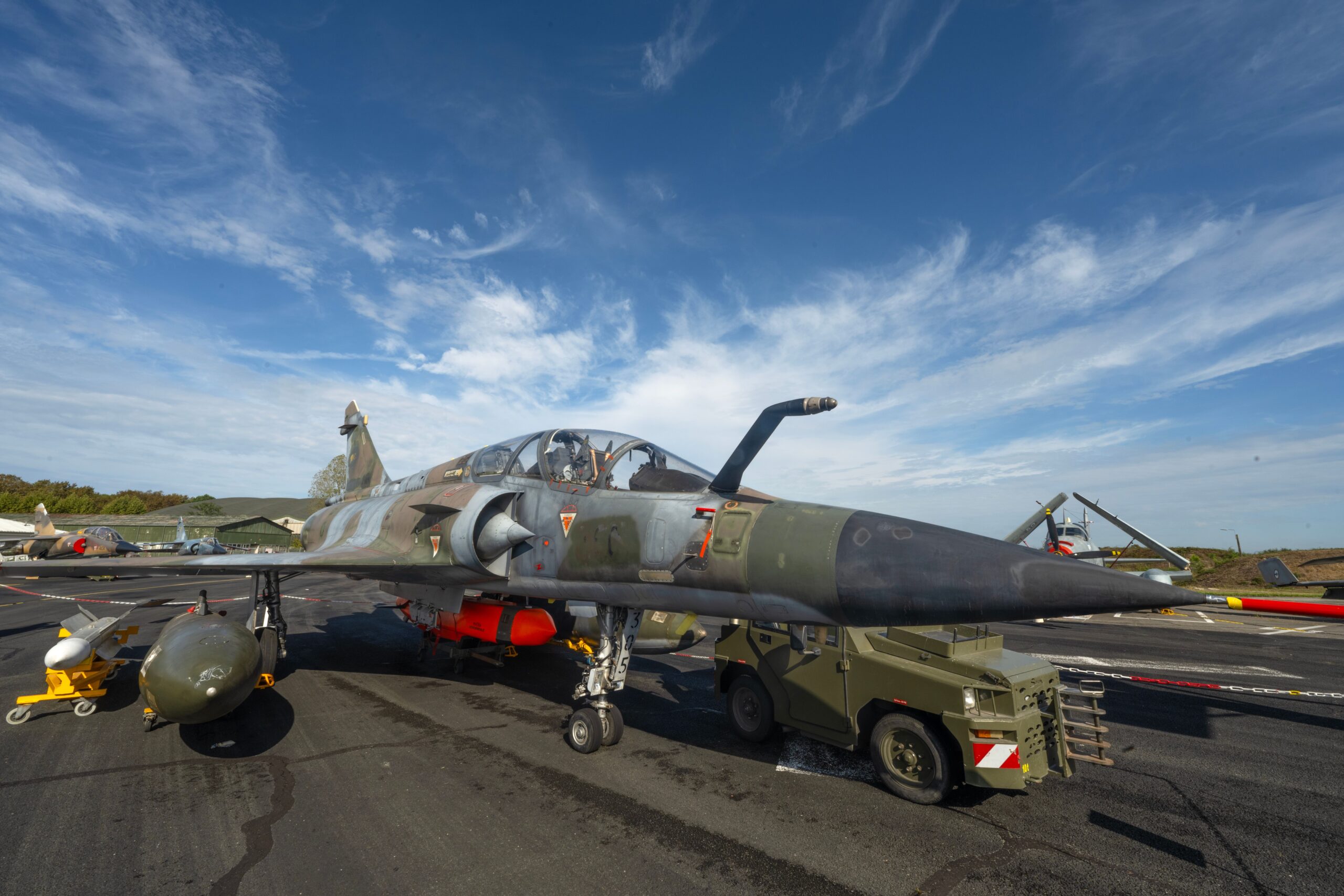
The strike is part of a broader pattern of Ukrainian attacks on Russian military aviation infrastructure. On September 16, Ukrainian forces reportedly hit a Russian Su-24 bomber at the Saky air base in occupied Crimea. Ukraine frequently targets Russian military airfields, ammunition depots, and other defense infrastructure with long-range drones in an effort to reduce Moscow’s capacity to launch attacks against Ukrainian civilian and military targets.
The incident occurs against a backdrop of significant attrition in Russia’s fighter-bomber fleet. Recent reports indicate that Ukraine destroyed four Su-34 Fullbacks at the Marinovka airbase, contributing to a trend where losses of the aircraft are reportedly outpacing domestic production. The Su-34 is a multifunctional fighter-bomber designed to deploy various types of guided bombs (KAB) and high-explosive bombs (FAB), as well as air-to-surface missiles. It is also utilized for reconnaissance and electronic warfare missions.
The Su-35, a multirole fighter primarily designed for air superiority, is also capable of striking ground targets. It can carry air-to-air and air-to-surface missiles, as well as guided bombs, and is considered among the most advanced combat aircraft currently operated by the Russian Air Force. The continued targeting of these specific platforms underscores a strategic focus on degrading Russia’s ability to project air power and sustain offensive operations.
Both aircraft types play critical roles in Russian air operations. The Su-34’s ability to deliver heavy ordnance makes it a key asset for ground-attack missions, while the Su-35 provides air defense and interception capabilities. The loss of these assets, combined with the destruction of associated ammunition depots, aims to disrupt logistical chains and reduce the frequency of Russian aerial strikes. Ukraine’s long-range drone program has become a central component of its defense strategy, seeking to neutralize threats at the source rather than relying solely on counter-air measures closer to the border.
The next phase of this campaign may involve further strikes on high-value targets within Russian territory, including additional airbases and command centers. The effectiveness of these operations will depend on the continued production of long-range drones and the ability to penetrate Russian air defense networks. For now, the strikes at Khanskaya serve as a reminder of the reach and precision of Ukrainian unmanned aerial systems, which have increasingly forced Moscow to disperse its air assets and reinforce defensive perimeters deep inside its territory.