
The announcement marks a stark departure from the sustained pressure Washington has applied to limit Russia’s energy exports during its war with Ukraine. However, the deal has exposed significant friction between the U.S. and Ukraine, with Kyiv accusing Washington of prioritizing domestic consumer concerns over security commitments. Ukrainian President Volodymyr Zelenskyy described the agreement as “not fair and not honest,” calling it an unjustified gift to Putin. He warned that easing sanctions without a clear and lasting de-escalation agreement constitutes an “obvious weakness” that could prolong the conflict.
Behind the scenes, the breakdown in relations appears linked to a dispute over Ukraine’s long-range drone strikes on Russian oil refineries. According to a U.S. official, Trump requested that Kyiv unilaterally halt these attacks because they were contributing to elevated U.S. fuel prices. Zelenskyy, however, maintained that Ukraine was willing to stop striking refineries only if Moscow reciprocated by ceasing its targeting of Ukrainian power plants. This conditional approach led to a stalemate, with the U.S. official noting that Zelenskyy was “misreading the room” and eroding the goodwill built over the previous six months.

The diplomatic tension escalated during high-level talks in Miami involving U.S. special envoys Steve Witkoff and Jared Kushner. While a U.S. official denied that explicit threats were made, they confirmed that the envoys conveyed Washington’s expectation of reciprocity. The U.S. position was that American actions, such as supplying munitions and intelligence, should not be met with Ukrainian moves that hurt American consumers. Conversely, a Ukrainian official stated that Witkoff and Kushner had threatened to cut off intelligence sharing if Kyiv continued to disregard U.S. requests. The U.S. official countered that the attacks on refineries, while causing pain in Russia, also caused pain in the United States, linking the military actions directly to domestic economic impacts.
The disagreement underscores a broader conflict over the pace and nature of peace negotiations. While the Miami talks focused on post-war security guarantees, EU accession paths, and territorial compromises, the immediate energy dispute has overshadowed these structural discussions. Zelenskyy, who met with a bipartisan delegation from the U.S. Congress in Kyiv on the same day, argued that Russia’s recent increase in airstrikes was an attempt to compensate for battlefield failures and to secure backroom deals for pressure relief. He reaffirmed Kyiv’s readiness for reciprocal de-escalation but rejected the notion that Ukraine should bear the economic burden of the war alone.
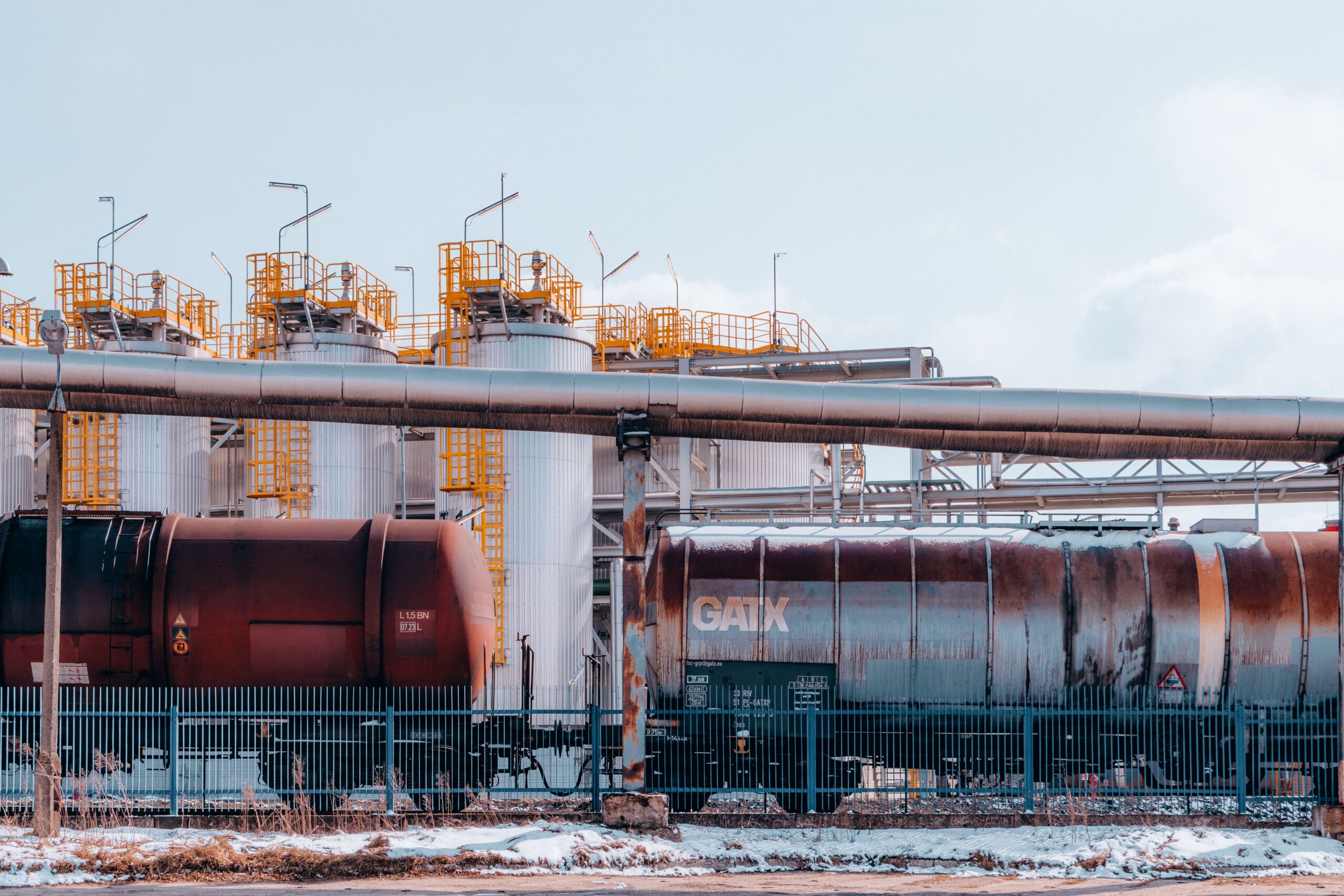
The geopolitical implications of the diesel deal are further complicated by ongoing military actions. Hours after Trump announced the agreement, a large fire broke out at the Novoshakhtinsk oil terminal in Russia’s Rostov region following Ukrainian drone strikes. This incident suggests that Kyiv is continuing to target Russian energy infrastructure despite the new U.S.-Russia arrangement. For Washington, the challenge lies in balancing the immediate demand for lower fuel prices with the long-term strategic goal of ending the war, a balance that currently appears increasingly difficult to maintain as trust between the allies erodes.