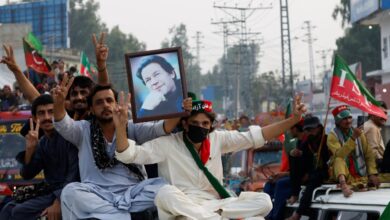
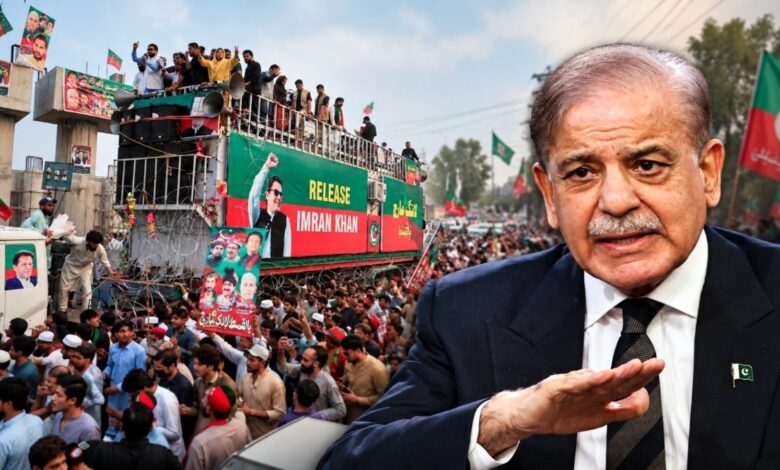
Khyber Pakhtunkhwa was the final provincial government held by the PTI. With its ouster, the party no longer commands executive authority in any of Pakistan’s four provinces, a development that signals a decisive shift in the country’s political balance. The move aligns with petitions filed by the opposition coalition, which had long argued that the KP government was undermining national security and violating constitutional norms. By acting on these grievances, the federal government has exercised its constitutional powers to intervene in provincial affairs, a provision historically invoked during periods of acute instability or constitutional crisis.
Constitutional Mechanisms and Political Rationale
The imposition of emergency powers is a drastic constitutional measure in Pakistan. It typically involves the President of Pakistan, on the advice of the Prime Minister, declaring a state of emergency that suspends the constitution in the affected region. In the case of KP, the provincial assembly has been dissolved, and the Chief Minister, who is a senior leader of the PTI, has been removed from office. Administrative control is expected to revert to the federal government, likely through the appointment of a caretaker administrator or the direct oversight of federal officers. This procedural step bypasses the usual legislative processes within the province, centralizing decision-making authority in Islamabad.
The political rationale cited for the move centers on concerns regarding the conduct of the PTI-led government in KP. Opponents of the PTI have alleged that the provincial leadership was complicit in activities that threatened national security, including allegations related to the financing of militant groups and the harboring of individuals involved in cross-border terrorism. Khyber Pakhtunkhwa is a strategically sensitive region, bordering Afghanistan and the Federally Administered Tribal Areas, making it a focal point for counter-terrorism operations. The federal government’s decision reflects a prioritization of security concerns over the mandate of the provincial electorate.
The PTI, led by former Prime Minister Imran Khan, has consistently rejected these allegations, characterizing the move as a political maneuver to eliminate the party’s remaining institutional presence. The party has described the dissolution of the KP assembly as an unconstitutional act designed to crush democratic opposition. Imran Khan, who remains a polarizing figure and is currently facing multiple legal cases, has maintained that the federal government is acting under duress from judicial and military establishments to neutralize his political influence.
Immediate Consequences and Future Outlook
The immediate consequence of the emergency is the suspension of democratic governance in KP. Provincial ministers have been stripped of their portfolios, and legislative functions have ceased. The federal government is expected to manage essential services and security operations in the province until a new political arrangement can be established. This may involve the appointment of a caretaker government or the organization of fresh elections, though the timeline for such steps remains uncertain.
For the PTI, the loss of KP is a severe blow. The party had relied on its provincial strength to maintain a base of support and to challenge the federal government’s legitimacy. With the dissolution of the KP administration, the party’s ability to organize political resistance at the institutional level is significantly weakened. The move also intensifies the legal and political pressure on Imran Khan, who faces numerous criminal charges. His political allies may find it increasingly difficult to coordinate a unified response without the platform of a functioning provincial government.
The political landscape in Pakistan is now poised for further volatility. The opposition coalition, which supported the removal of the KP government, seeks to consolidate its control over all provincial and federal institutions. Conversely, the PTI is likely to escalate its legal challenges and street-level mobilization, potentially leading to renewed civil unrest. The next critical step will be the formal announcement of administrative arrangements for KP and the judicial review of the emergency order, which could determine the long-term stability of the region and the trajectory of Pakistan’s democratic institutions.