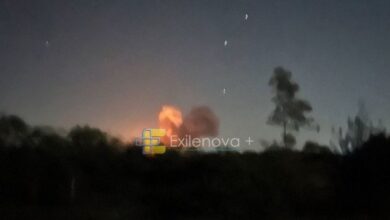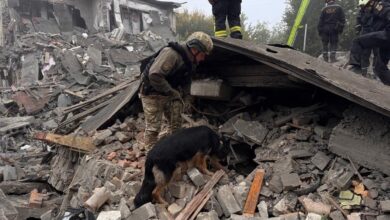
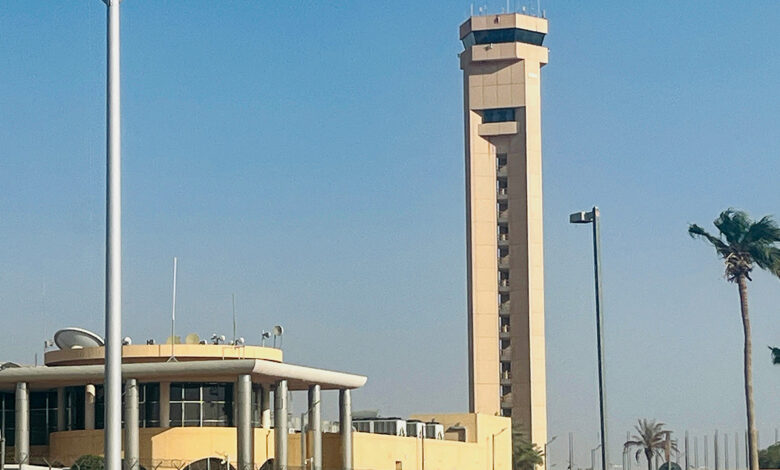
Saudi authorities confirmed that among the 12 deceased were four Saudi citizens and two Bangladeshi nationals. The other victims included a U.S. citizen, an Egyptian, a Jordanian, a Palestinian, a Sudanese individual, and a Syrian. The high number of casualties, with over 300 reported injuries including critical cases, underscores the effectiveness of the projectile and the vulnerability of major civilian hubs to long-range attacks. The Saudi-led coalition fighting the Houthis characterized the strike on the airport as a “fully-fledged war crime” and vowed a response, though specific operational details regarding retaliation were not immediately disclosed.
The Houthis did not issue an immediate statement regarding the Riyadh strike. However, the group had previously accused Saudi forces of attacking Sanaa International Airport in Yemen, indicating an escalating cycle of cross-border strikes that has intensified over recent weeks. This particular attack is part of a series of incidents targeting Saudi infrastructure this week, signaling a shift in Houthi operational tempo and targeting priorities.
The incident has immediate strategic implications for the United States, which is currently weighing its role in the conflict. President Donald Trump indicated on Saturday that the U.S. administration was still deciding whether to join any Saudi military response. “We may. We’re going to look at it,” Trump stated. “We just found out about the recent attack. So we’ll make a decision. We move very quickly.” This deliberation highlights a critical juncture in U.S. involvement, as Washington balances its commitment to Gulf allies against the risks of broader regional engagement.
Saudi Arabia is expected to push allies, including the United States, for greater military support in light of the recent escalations. The strikes demonstrate that Houthi forces possess the capability to threaten major civilian and commercial centers deep within Saudi territory, challenging the defensive posture of the kingdom and its partners. The attack on an airport with no military facilities raises significant questions regarding targeting protocols and the proportionality of responses within the framework of international humanitarian law.
The broader context of the “Iran war,” which began in February, has seen a steady increase in hostilities involving non-state actors aligned with Tehran. The Houthi attacks on Saudi soil represent an operational escalation that moves the conflict beyond border skirmishes into the heart of a major economic and diplomatic hub. The presence of foreign nationals among the casualties, including a U.S. citizen, may further complicate diplomatic relations and accelerate decisions regarding military intervention by Western powers.
As the investigation into the strike continues, the focus remains on the logistical and strategic consequences for the Saudi-led coalition. The ability of Houthi forces to project power against such high-value civilian targets suggests a level of missile and drone capability that requires adaptation in defensive strategies. The coming days will likely be determined by the speed and scope of the Saudi response and whether the United States formally commits to a joint military operation, a decision that could reshape the trajectory of the regional conflict.