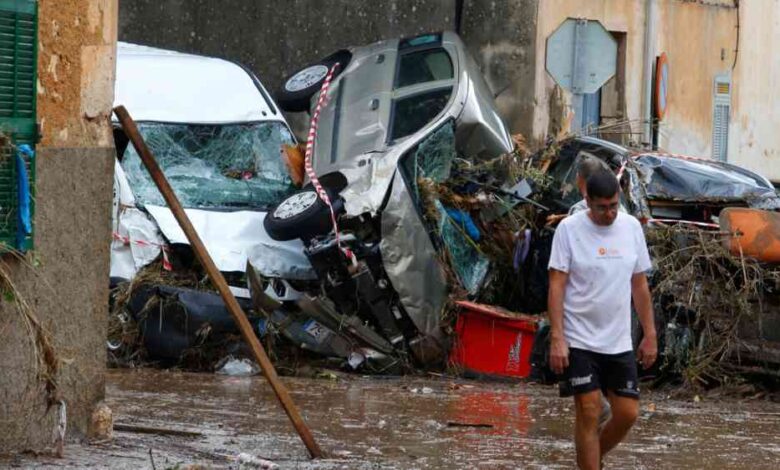
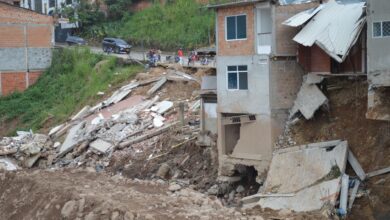
The study, published in Nature Communications under the title “Human-induced climate change amplification on storm dynamics in Valencia’s 2024 catastrophic flash flood,” utilizes climate model experiments to compare the October 2024 dana under present-day climate conditions with a hypothetical scenario where human activities had not warmed the climate over the past 150 years. By placing the same storm in these two distinct climatic contexts, researchers were able to isolate the specific contribution of global warming to the storm’s severity.
The findings are stark. Under present-day global warming conditions, the study shows that precipitation intensity increased by 21% compared to the pre-industrial baseline. Furthermore, the area receiving more than 180 millimetres of rain expanded by 56%, and the total rainfall volume within the Júcar River basin rose by 19%. These figures demonstrate that the warming climate did not merely add a marginal amount of rain to an already extreme event but fundamentally altered the scale and violence of the flooding.
The physical mechanisms driving this amplification are rooted in basic thermodynamics. Higher sea surface temperatures supply more moisture to the atmosphere, while a warmer atmosphere has a greater capacity to hold water vapour. This additional moisture subsequently condenses into heavier rainfall. Beyond this thermodynamic effect, the study identifies feedback mechanisms that enhanced vertical air motion and moisture within the storm itself, further amplifying its intensity. While the thermodynamic link is consistent with the Clausius–Clapeyron relationship—which predicts that precipitation extremes intensify as temperatures rise—the dynamical amplification observed in the study suggests that the internal physics of the storm also became more potent in a warmer world.
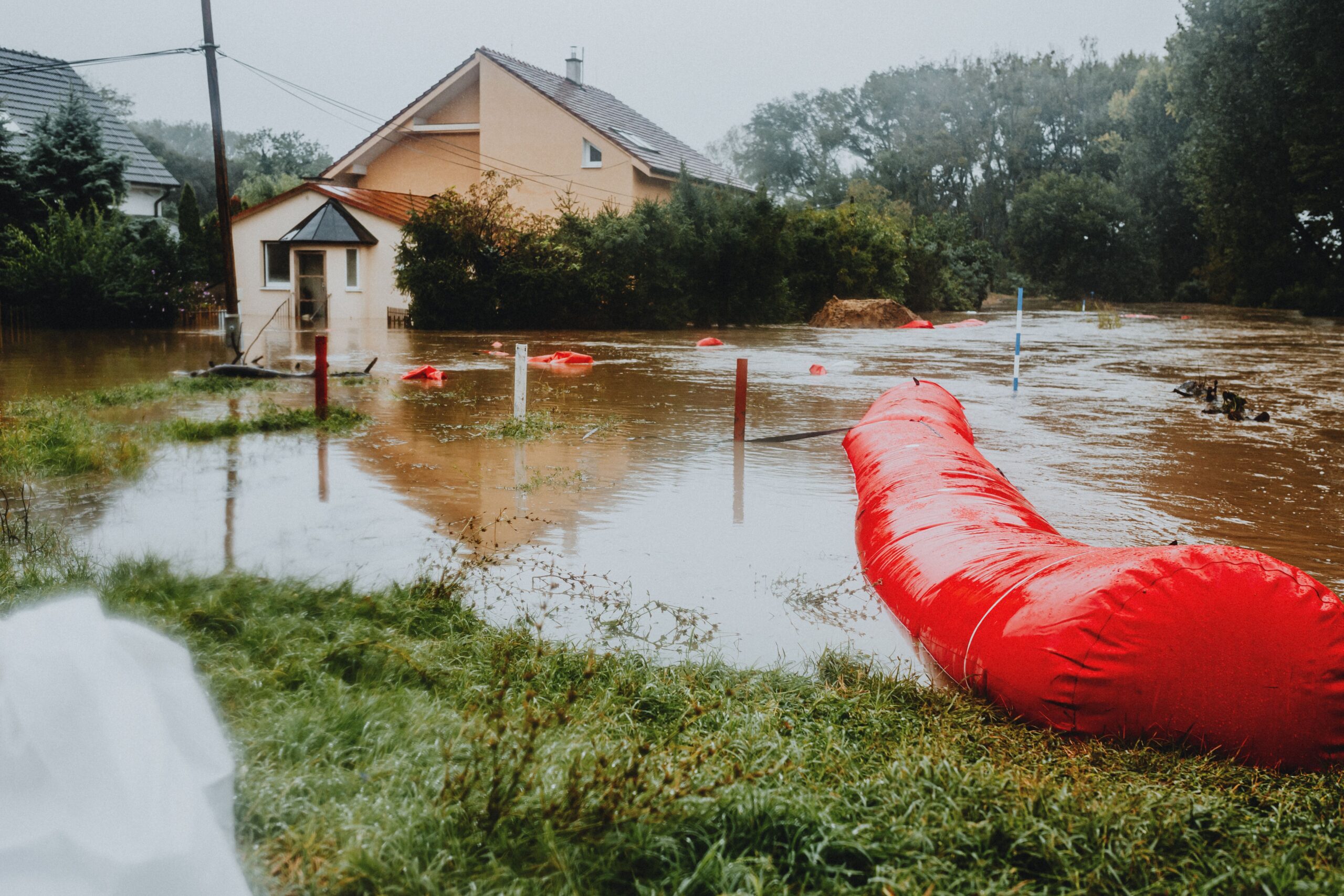
Photo by Helena Jankovičová Kováčová on Pexels
Methodological Rigour and Limitations
The analysis employs a physical attribution approach using the Pseudo-Global Warming method alongside kilometre-scale convective simulations with the WRF model. This methodology allows for an explicit analysis of the dynamical and microphysical processes involved in the intensification of extreme rainfall. To ensure robustness, the researchers incorporated an ensemble of 15 CMIP6 models to estimate the climate signal and applied rigorous statistical testing. The resulting 21% increase in six-hour accumulated rainfall and the 55% expansion of the extreme precipitation area are physically consistent with existing scientific evidence documenting the intensification of precipitation extremes.
However, the study acknowledges important limitations. It examines a single event and keeps large-scale atmospheric circulation fixed, meaning it does not assess whether the probability of such dana systems occurring has changed in a warmer climate. Instead, it adopts a conditional approach, answering the question of how much more severe the storm became once it had already developed. Additionally, the precise quantification of dynamical amplification may vary depending on the specific climate model used, introducing a degree of uncertainty in the exact magnitude of the intensification.
The authors highlight “the urgent need for effective adaptation strategies and improved urban planning to reduce the growing risks associated with extreme hydrometeorological events in a rapidly warming world.”
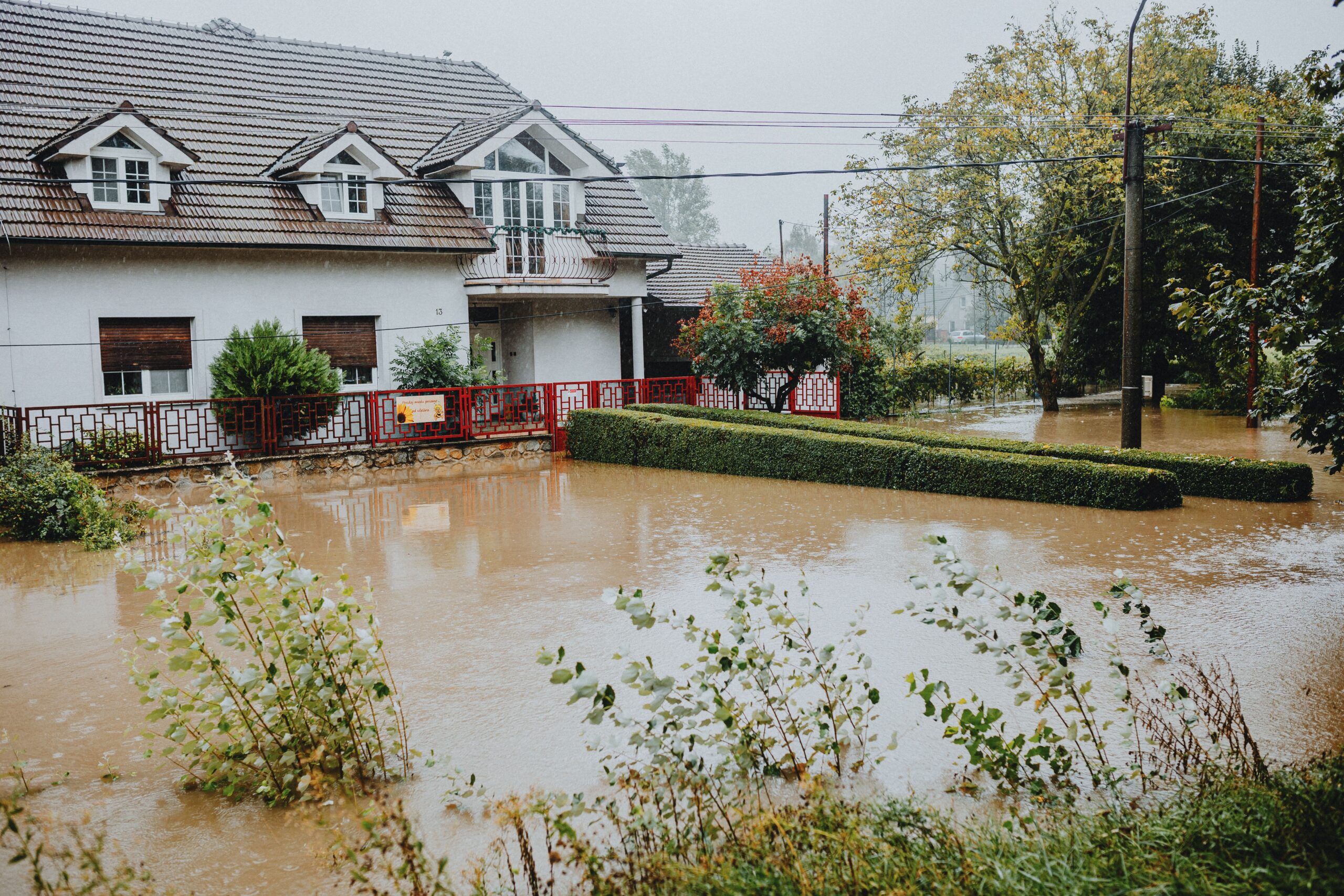
Photo by Helena Jankovičová Kováčová on Pexels
The implications of these findings extend beyond academic interest, directly challenging the assumption of climatic “stationarity” that often underpins the design of hydraulic infrastructure, drainage systems, and land-use planning frameworks. If sub-daily events can intensify by approximately 20% per degree of warming, then Intensity-Duration-Frequency (IDF) design curves and risk maps based solely on historical data may no longer be sufficient to protect cities and ecosystems.
For the communities of Valencia and similar regions prone to Mediterranean cyclones, the study underscores a shifting baseline. The disaster of 2024 was not an anomaly in the context of a warming planet, but a manifestation of physical laws being pushed to new extremes by anthropogenic climate change. As the world continues to warm, the gap between an “ordinary” extreme event and a catastrophic disaster narrows, demanding that adaptation strategies evolve as rapidly as the climate itself.
Steven Baker covers climate and environmental developments, from extreme weather and pollution to renewable initiatives, conservation, and environmental policy. His reporting follows scientific research, official data, and public policy developments. Steven aims to help readers understand the practical significance of environmental news while keeping the distinction between documented findings and projections clear.