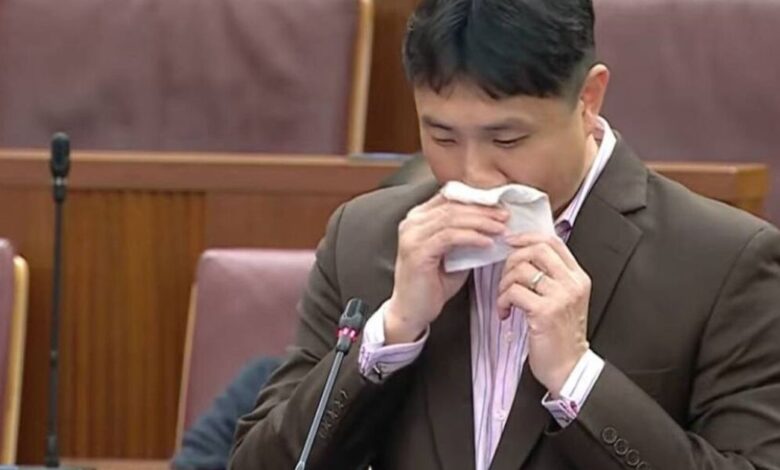
That early symptom proved to be the precursor to a more serious condition. On 12 October, Lim announced via Facebook that he had been hospitalized with “full-blown” pneumonia after contracting Influenza A. He revealed that his blood oxygen levels had dropped to the low 90s over the weekend, prompting his admission. The MP, who represents the Sengkang Single Member Constituency, stated that he is currently unable to attend to his regular duties, including the weekly meet-the-people session, house visits, and estate walks. His volunteer team has stepped in to ensure community events proceed as planned, while Lim works remotely to clear appeal letters and manage his email backlog.
The hospitalization interrupts a period of active legislative engagement for Lim, who had used his 6 October appearance to advocate for significant changes to Singapore’s food and beverage (F&B) landscape. During an adjournment motion, he argued that the local culinary heritage should not become a “guinea pig for the market-share aspirations of foreign chain restaurants.” Lim pointed to rising rents, manpower constraints, and intense competition as primary stressors for local operators. He proposed specific interventions, including a cap on annual rental increases, calibrated based on historical rates and property location, as well as greater flexibility in hiring foreign workers, particularly from Malaysia, to address staffing shortages.
The government responded swiftly to these proposals. Senior Minister of State for Energy and Trade and Industry Low Yen Ling rejected the call for rental caps, warning that such controls could distort commercial lease pricing and discourage landlords from making space available to F&B businesses. She acknowledged that the sector faces a difficult operating environment characterized by persistent inflation, rising costs, and changing post-pandemic dining habits. However, Low noted that these pressures are global phenomena, affecting major cities worldwide, and emphasized that the government’s support would focus on manpower flexibility, productivity programmes, and financial assistance rather than direct rent controls.
The debate highlights a broader tension in Singapore’s governance regarding the balance between protecting local industries and maintaining market efficiency. Lim’s position centers on the need to preserve the hawker culture and local F&B ecosystem against the encroachment of multinational chains, suggesting that without structural protections, the character of the nation’s food scene may erode. The government’s counter-argument relies on the resilience of the industry and the potential negative side effects of price controls on the commercial real estate market.
While Lim’s health issue is treated as a personal medical matter, it temporarily removes a vocal opposition voice from the immediate parliamentary floor. The incident itself, however, became a point of public discussion, with the cross-party gesture of kindness by MP Pang being widely noted. The political implications of the F&B debate remain unresolved, with the government maintaining its current approach to industry support while the opposition continues to push for more protective measures for local operators. For now, the focus for Lim’s constituency remains on the continuity of services provided by his volunteer team during his absence, with the MP expected to return once his health permits.