
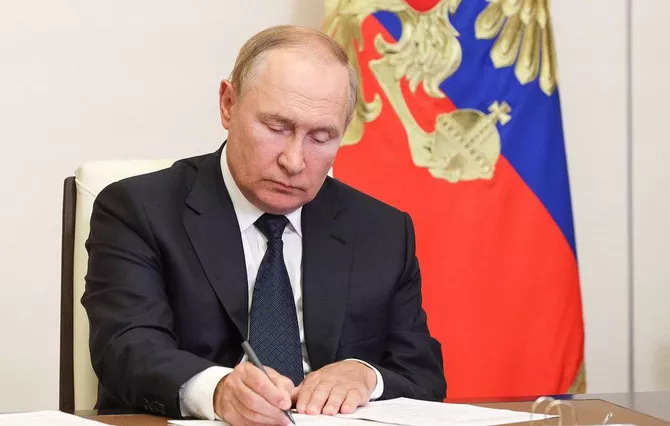
The exemption covers private and business visits, tourism, participation in scientific, cultural, socio-political, economic, and sporting events, as well as transit through Russian territory. The decree explicitly excludes Vietnamese citizens traveling for employment, journalistic activities, education, or permanent residence. Vietnam becomes the 12th country whose citizens are eligible for visa-free entry into Russia under similar arrangements, which also include citizens of China and other select nations.
Russian Economic Development Minister Maxim Reshetnikov stated that the move is expected to boost tourist arrivals, create additional jobs in the supply sector, and expand economic ties between the two countries. He noted that direct flight networks between Russia and Vietnam are currently expanding, facilitating increased travel. This policy builds upon existing reciprocal travel arrangements, as Russian passport holders have already enjoyed visa-free access to Vietnam for stays of up to 45 days.
Tourism data indicates a significant surge in cross-border travel. In the first six months of 2026, Vietnam welcomed 742,000 Russian tourists, a figure that is 2.8 times higher than in the same period of 2025. Conversely, the number of Vietnamese visitors to Russia increased by 21.4% year-on-year during the same timeframe. A representative of the Russian Ministry of Economic Development forecast in September that the number of Russian tourists visiting Vietnam could reach a historical record of 1.5 million in 2026, driven by these growing connections.
Beyond tourism, the visa exemption underscores broader strategic and economic cooperation between Moscow and Hanoi. Recent internal documents have revealed that the two nations have developed financial mechanisms to facilitate arms deals and bypass international sanctions, including using profits from joint oil and gas projects in Siberia to settle defense contracts. While the visa policy is framed as a tourism and economic initiative, it operates within this context of deepening bilateral ties. The new regulations are designed to further promote expanded cooperation in the tourism sector and other civilian exchanges.
The decree was published on Russia’s official legal information portal and the website of the Ministry of Justice. The one-year duration of the visa-free regime suggests a trial period for the policy, with its continued effectiveness contingent on future government decisions. As of now, no further extensions or reciprocal changes to the duration of stays have been announced beyond the current October 15, 2027 deadline.