The technical constraint is direct and severe: nuclear reactors require a consistent and substantial flow of water to remove heat from the core. With the Danube’s levels falling below operational thresholds, the physical capacity to cool the plant has vanished, necessitating an immediate shutdown. This is not a temporary maintenance pause but an emergency response to environmental conditions that have stripped the facility of its essential operational input. The result is a sudden and significant reduction in baseload power generation, creating a vacuum in the Hungarian grid that must be filled by other, potentially more volatile or costly, sources.
The immediate consequence is a state of high alert for Hungarian consumers and industry. Prime Minister Magyar issued a video statement on Sunday, warning that the country faces “the most critical five days” as the electric system struggles to balance supply and demand. He cautioned that “an energy crisis situation may arise from Monday,” urging coordinated steps and self-restraint to avoid more severe consequences. The government has specifically appealed to residents to limit electricity use during peak hours, defined as the window between 5 p.m. and 10 p.m. This targeted demand-side management is a practical response to the reduced generation capacity, aiming to prevent cascading failures or blackouts during periods of highest consumption.
The significance of the Paks shutdown extends beyond Hungary’s borders, prompting attention from the European Commission. The Commission is currently monitoring the situation closely and has indicated it is prepared to hold an emergency meeting of its Electricity Coordination Group if the crisis escalates. This regional oversight reflects the interconnected nature of European power grids; a severe shortfall in one major member state can ripple across neighboring networks, affecting stability and pricing across the continent. The potential for an emergency meeting signals that the EU views this not merely as a domestic Hungarian issue, but as a systemic risk to regional energy security.
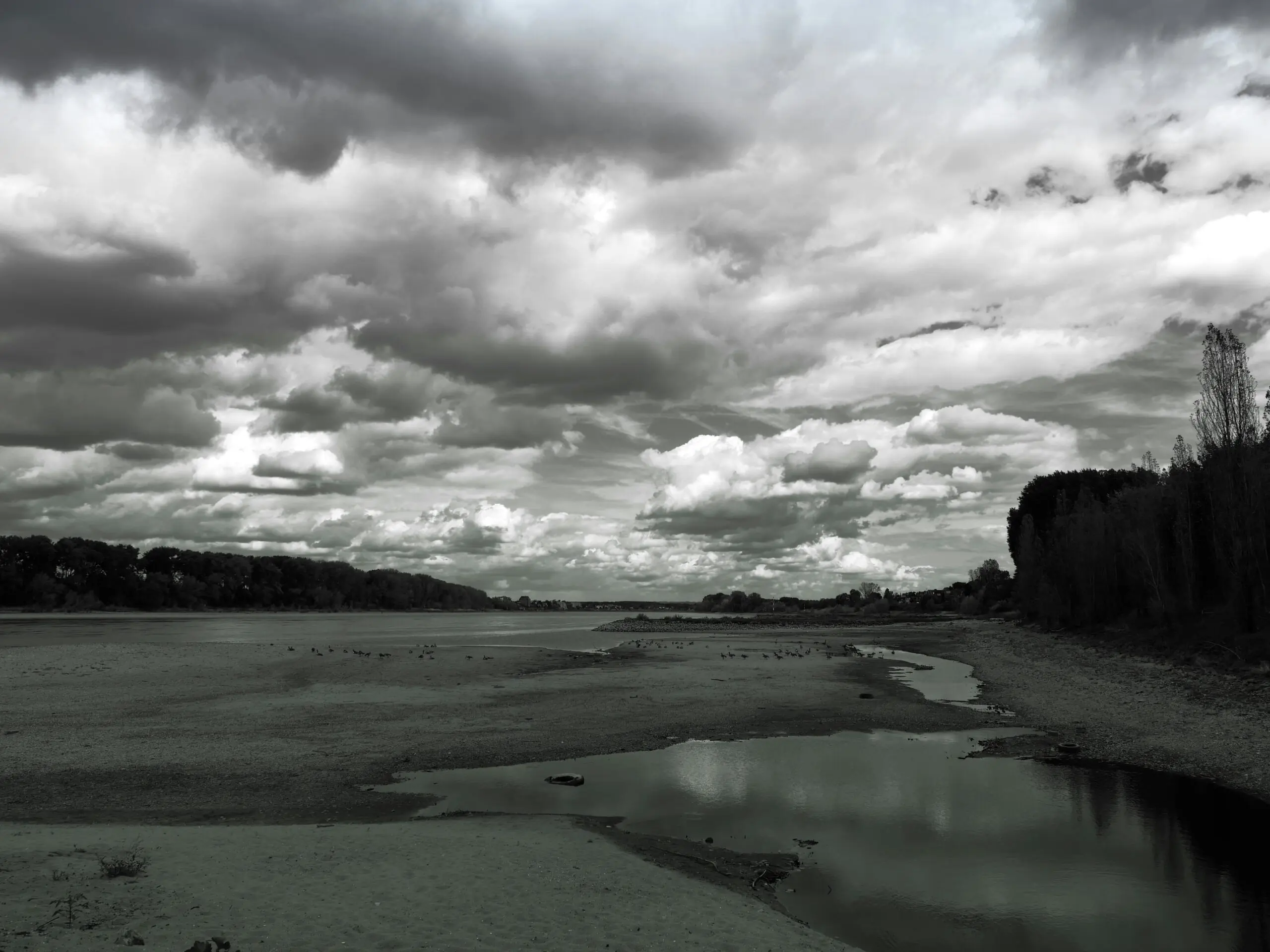
The current situation highlights a growing vulnerability in Europe’s energy mix: the dependence of nuclear and conventional thermal plants on water availability for cooling. While nuclear energy is often touted for its low carbon emissions and consistent output, its physical infrastructure remains tethered to hydrological conditions. The drought spreading across Central Europe is a tangible example of how climate variability can directly impact energy reliability. The Paks plant’s 44-year record of continuous operation, interrupted only now by drought, underscores the extreme nature of the current weather pattern. For Hungary, which relies heavily on this single source for such a large share of its power, the shutdown represents a structural stress test for the national grid.
In contrast to the water scarcity crisis in Europe, other regions are experiencing different energy dynamics driven by weather. In India, for instance, the El Niño phenomenon is having a distinct impact on the energy mix. While hydropower generation in India fell by 22.1% for the second consecutive month due to reduced rainfall, renewable energy sources have stepped in to fill the gap. According to government data, renewable power generation reached 20% of India’s energy mix in July, a 30% increase from the previous year. Solar and wind energy output exceeded 100 gigawatts, with renewables accounting for 42.8% of the electricity supply on July 13. This surge in renewable generation has led to a decrease in coal-power generation, which fell to 65.7% in July from 69% in June, although coal-fired power generation in India has still risen by about 12.8% year-on-year. The Indian case illustrates how different parts of the world are navigating the same climatic challenges with varying degrees of infrastructure readiness and energy mix diversity.
Meanwhile, in Africa, energy development is taking a different path focused on expansion and access. Ghana has announced an energy investment pipeline of $4.4 billion, aiming to expand electricity access under the Mission 300 initiative. Led by the World Bank Group and the African Development Bank, the initiative hopes to connect 300 million people across the continent to electricity by 2030. Ghana is on track to complete 13 of 16 priority reforms, with the goal of increasing electricity access from the current 89.1% to 99% by 2030. The pipeline includes projects for clean cooking, solar and renewable energy development, mini-grid construction, and regional interconnections with Burkina Faso, Côte d’Ivoire, and Mali. With $2.6 billion coming from the private sector, the Ghana Compact Implementation Support Document is awaiting final stakeholder approval. This forward-looking investment contrasts sharply with Hungary’s reactive crisis management, highlighting the diverse challenges facing global energy systems, from maintaining existing baseload capacity in droughts to expanding access in emerging markets.
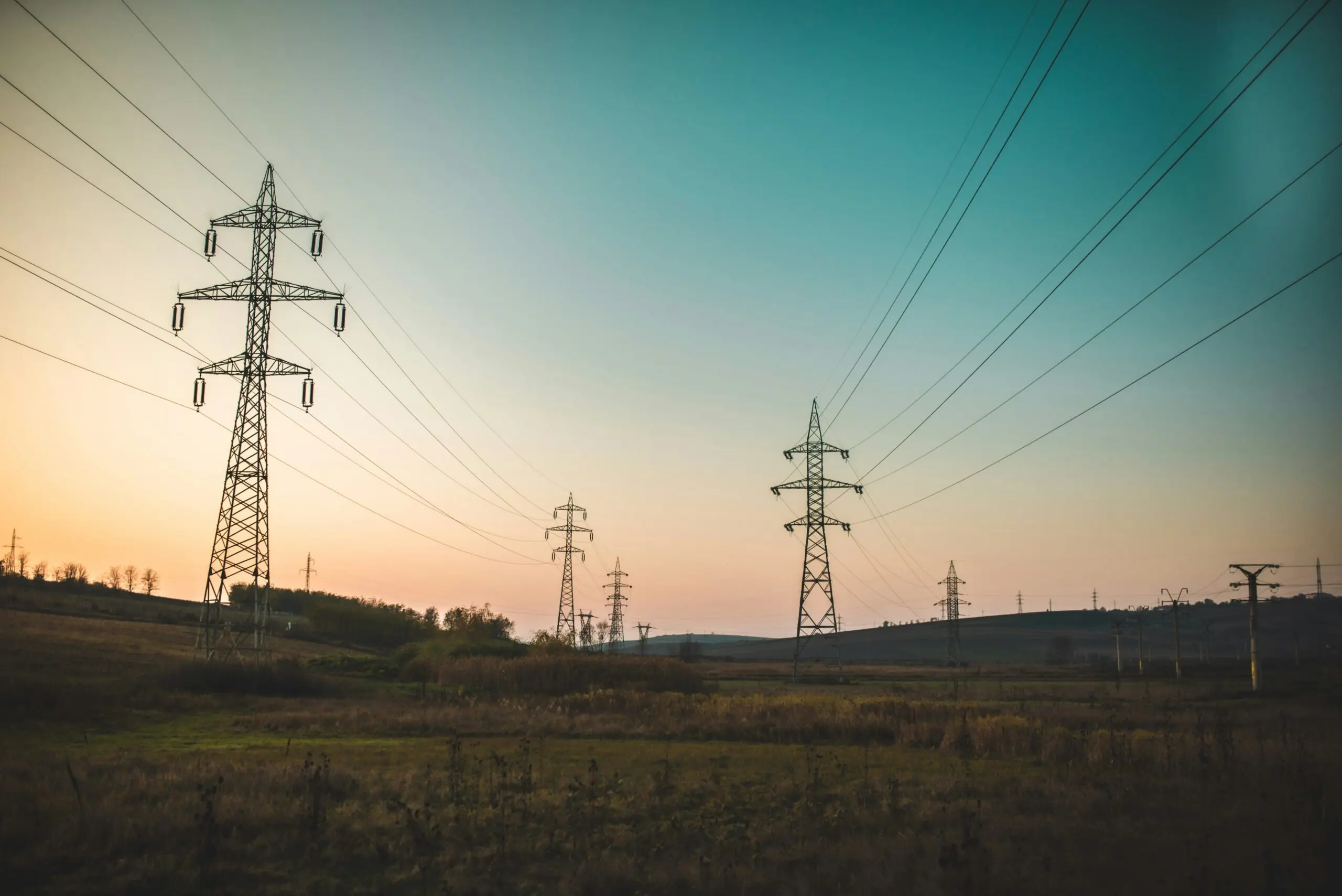
For Hungary, the immediate future remains uncertain. The next few days will determine whether the grid can withstand the loss of 40% of its generation capacity. The government’s call for public restraint is a stopgap measure, not a long-term solution. If the Danube’s water levels remain low, the Paks plant may remain offline, forcing Hungary to rely on imports or other domestic sources that may be insufficient to meet peak demand. The European Commission’s readiness to convene an emergency meeting suggests that the situation is being treated as a potential threat to wider European stability. As the clock ticks down on what Magyar has termed the “most critical five days,” the interplay between hydrology, nuclear technology, and grid management will be closely watched by policymakers and consumers alike.
The situation in Hungary serves as a stark reminder that energy security is not just a matter of fuel supply or political stability, but also of environmental conditions. The physical limits of infrastructure, such as the cooling requirements of nuclear plants, can be abruptly exposed by natural events. As Europe grapples with the transition to a more resilient and sustainable energy system, the Paks shutdown offers a critical case study in the vulnerabilities that remain. The next verified development will likely come from the European Commission’s Electricity Coordination Group, whose decisions could shape the immediate response to this regional energy shock.