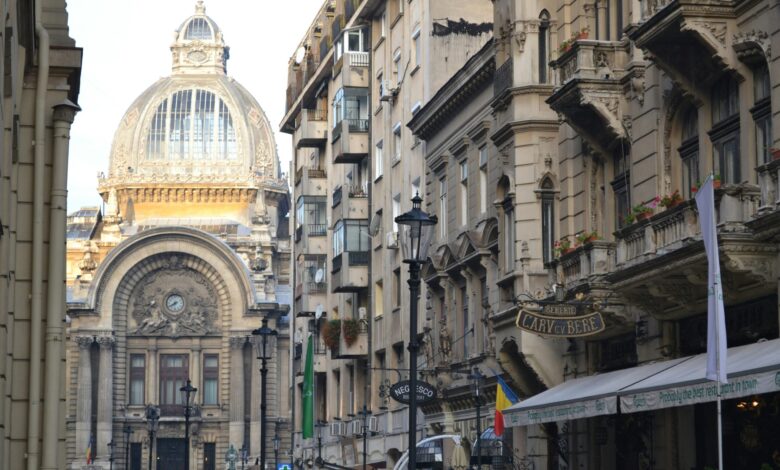
The findings, derived from an investigation by The Guardian utilizing data from the Romanian seismic risk organisation Re:Rise, identify 207 listings on Airbnb and Booking.com located within structures classified as RS1. This category represents the highest level of seismic risk in Romania’s regulatory framework. If fully occupied, these properties could accommodate over 1,000 guests per night, exposing a substantial volume of tourists and residents to structural hazards in a region with a documented history of seismic activity.
The legal context for these violations is clear: in 2024, Romania implemented a ban on both short-term and long-term rentals in RS1-classified buildings. The legislation was designed to mitigate the risk of mass casualties during a significant seismic event by reducing the population density in the most vulnerable structures. Landlords who breach these provisions face financial penalties ranging from €1,000 to €2,000. Despite this regulatory framework, the persistence of these listings suggests that enforcement mechanisms may not be keeping pace with the speed and scale of the short-term rental market.
Re:Rise, which monitors seismic risk and advocates for resilience, stated that it had repeatedly raised concerns regarding these specific listings with both Airbnb and Booking.com. The organization’s analysis highlights a systemic issue where global platforms facilitate commerce in jurisdictions with strict local safety laws, often without robust automated verification of property compliance categories.
The responses from the major platforms reflect a divergent approach to regulatory liability. Airbnb stated that it is currently investigating the findings, indicating an intent to review the specific listings and potentially remove non-compliant inventory. In contrast, Booking.com maintained that accommodation partners are responsible for complying with local laws. The company noted that authorities can report listings that may breach regulations, placing the primary burden of enforcement on local government bodies rather than the platform itself.
This situation underscores the challenges urban centers face when balancing tourism revenue with public safety. Bucharest, with its significant exposure to seismic events from the Vrancea region, has prioritized structural safety in its zoning and rental laws. The presence of illegal rentals in RS1 buildings not only contravenes these laws but also complicates emergency planning. In the event of a major earthquake, the presence of transient, potentially unregistered occupants in high-risk buildings could hinder evacuation efforts and strain emergency services.
While the immediate focus is on the 207 identified listings, the broader implication is a need for enhanced cooperation between digital platforms and local regulatory authorities. The distinction between a building’s structural classification and its commercial use is a technical one, but the consequences for human safety are absolute. Until enforcement is automated or strictly policed, the risk of repeat violations remains high, particularly given the financial incentives for landlords to list properties on high-traffic global platforms.
The next step in resolving this discrepancy lies in the outcome of Airbnb’s investigation and subsequent actions taken by local authorities. Monitoring of these specific listings will be critical to determine whether the 2024 ban is being effectively upheld in practice or if it remains largely aspirational. The resilience of Bucharest’s building stock depends not only on engineering standards but also on the rigorous application of occupancy regulations in the most vulnerable zones.